The US government is reportedly in talks to impose a strict cap on exports of Nvidia's H200 AI chips to China, potentially limiting each Chinese buyer to no more than 75,000 units. This move, if finalized, would mark another significant twist in the complex dance between Washington and Beijing over semiconductor trade, with broader implications for global AI development.
Sources close to the negotiations suggest that the proposed cap—roughly half of what major Chinese firms like Alibaba and ByteDance had previously signaled they intended to purchase—reflects deep concerns about China's rapid advancements in artificial intelligence. While the US aims to secure substantial tax revenue from these sales, officials are also wary of inadvertently accelerating Beijing's AI ambitions, which could reshape global technological leadership.
The H200, based on Nvidia's advanced Hopper architecture, is a cornerstone of modern data center and AI workloads. Its ability to process massive datasets with high efficiency has made it indispensable for both enterprise computing and cutting-edge research. However, the chip's dual-use potential—useful for civilian applications but also capable of supporting defense-related projects—has placed it at the heart of geopolitical tensions.
This latest development comes amid a backdrop of shifting policies. Just last year, the US government approved limited sales of AI GPUs to China after a prolonged pause, only to face renewed security concerns that led Nvidia to temporarily halt production of its H20 variant in August. The situation has since evolved, with China exploring alternatives and even considering bans on foreign-made chips in state-funded projects—though recent approvals for purchases by entities like DeepSeek suggest that cooperation, however fragile, is still possible.
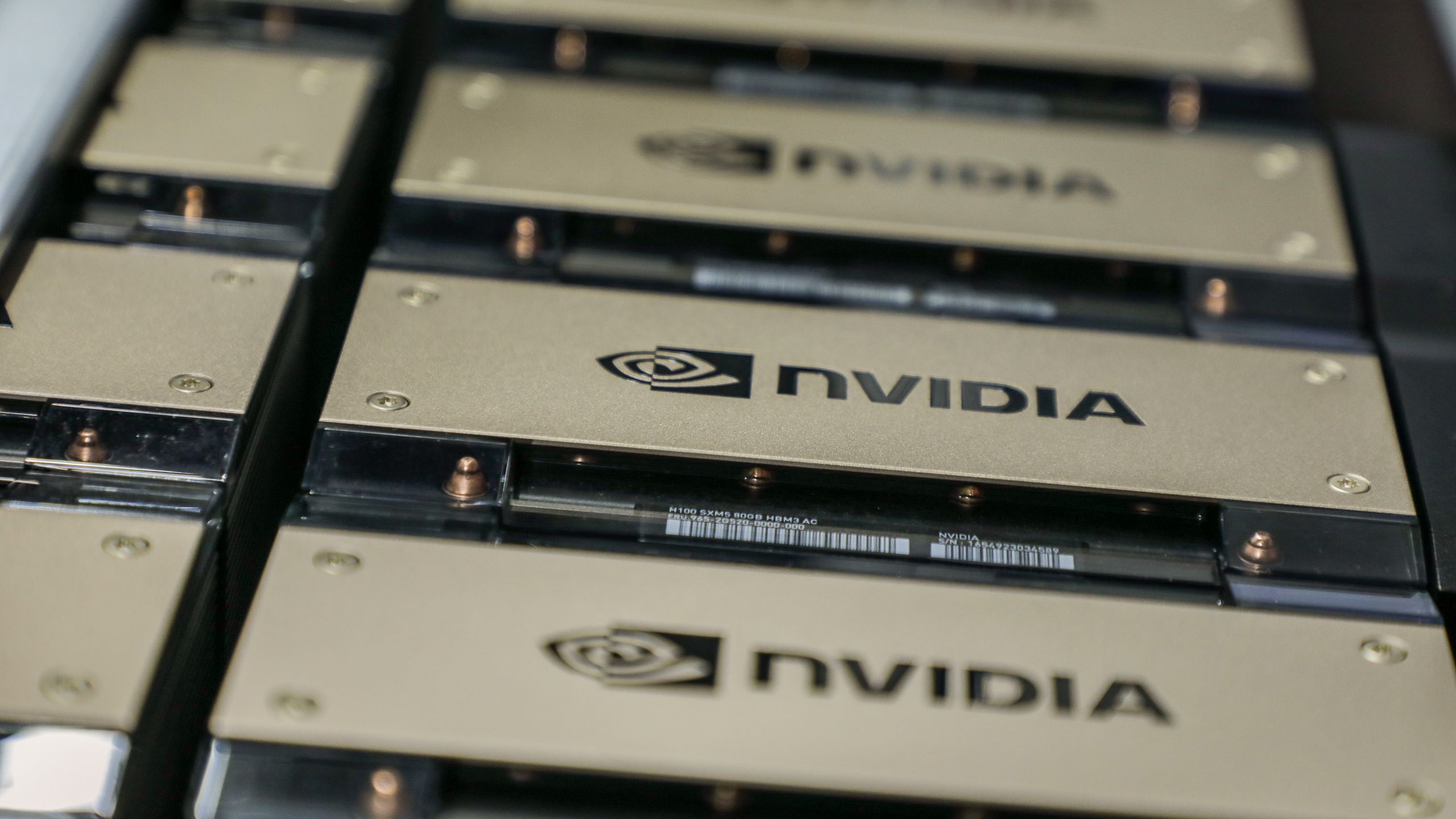
The proposed cap would not only affect Nvidia but also AMD's MI325 AI chips, forcing Chinese customers to navigate a more constrained market. While the total potential shipments could still reach up to a million units—with large firms possibly applying under multiple customer identities—the tighter restrictions would undeniably reshape supply dynamics. For Nvidia, which has become the world's most valuable company largely due to its dominance in AI, this represents both an opportunity and a risk: maximizing revenue while mitigating geopolitical fallout.
Yet, consistency has been a hallmark of US export policies—one that has often been lacking. The Trump administration's approval of H200 sales in December, followed by the current negotiations, underscores the fluid nature of these decisions. Whether this cap becomes permanent or serves as another temporary measure remains uncertain, but one thing is clear: the stakes are higher than ever.
The outcome of these talks will have ripple effects across industries, from cloud computing to defense, and could redefine how AI chips are developed, sold, and regulated in an increasingly fragmented global market. For now, the focus remains on balancing economic gains with strategic caution—a delicate act that will define the next chapter in this ongoing saga.