The next chapter for Valve’s Steam Machine is closer than expected. In recent remarks, AMD’s CEO signaled the company’s highly anticipated compact gaming PC—built around a custom AMD RDNA 3 GPU and Zen 4 CPU—will begin shipping as early as this year, rather than waiting until 2026.
This marks a significant shift from Valve’s previous timeline, which had the system slated for a later release. The move aligns with AMD’s broader push into living-room gaming hardware, where the company has already partnered with manufacturers like ASRock and others to deliver prebuilt systems tailored for SteamOS.
While Valve’s first-generation Steam Machines underperformed in both sales and performance, the new design—rumored to be a sleek, cuboid form factor—promises a more refined approach. The system is expected to feature a semi-custom GPU and CPU, optimized for efficiency and power efficiency, making it a compelling option for gamers who prefer a plug-and-play solution over traditional desktops.
The Hardware Behind the Hype
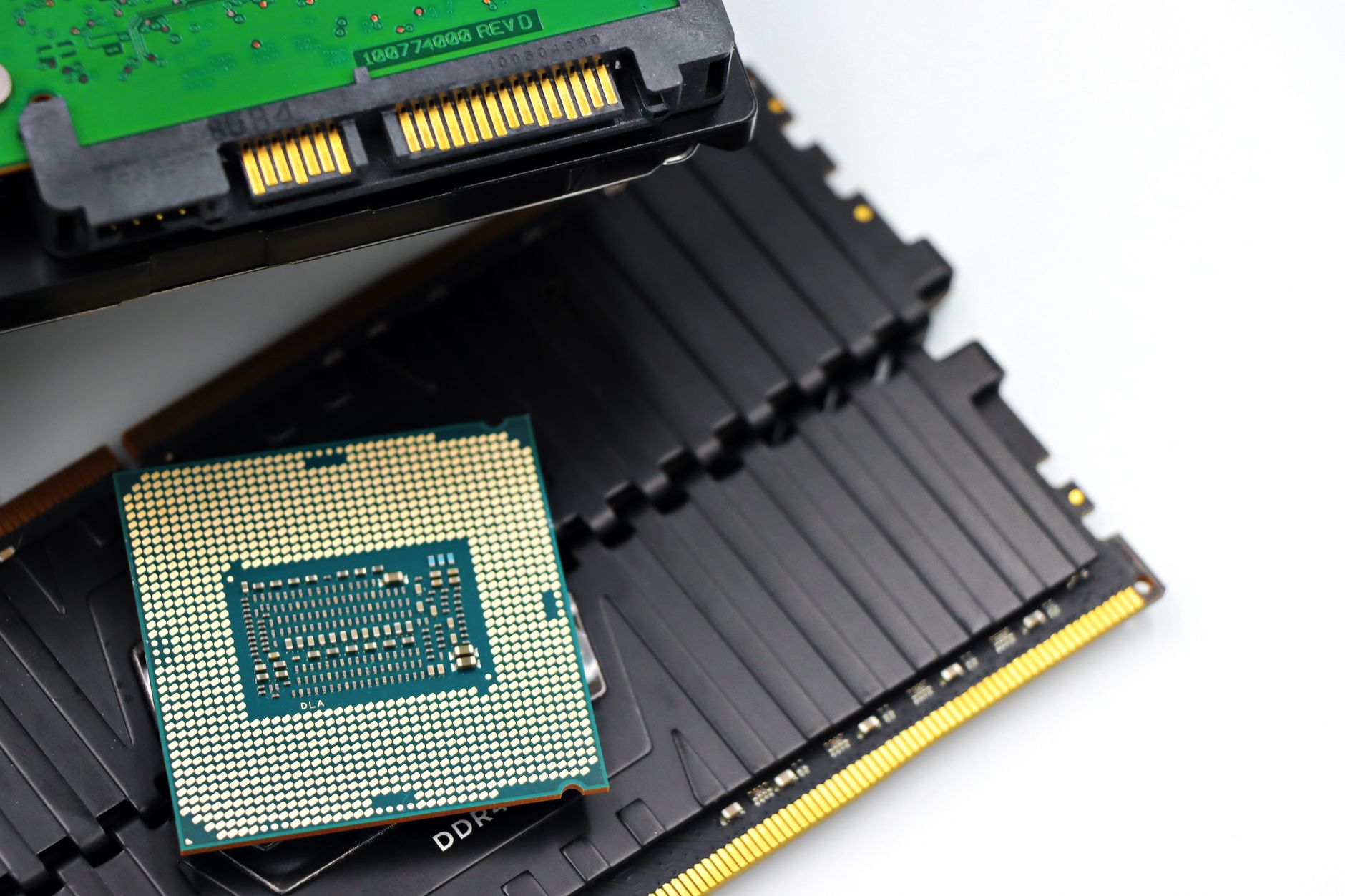
The Steam Machine’s core specs remain under wraps, but leaks and AMD’s own disclosures point to a system built around 16GB of DDR5 RAM and a custom RDNA 3 GPU. This combination suggests a balance between raw performance and energy efficiency, critical for a device meant to run in living spaces without overheating or consuming excessive power.

One lingering question is pricing. Early estimates placed the system in the mid-range segment, but the ongoing memory price crisis—driven in part by AI demand—has sent DRAM costs soaring. Valve may need to adjust its pricing strategy to account for these inflationary pressures, though the company has yet to confirm any final figures.
What This Means for Gamers
For consumers, the Steam Machine represents a rare opportunity to experience Valve’s vision for a seamless, cloud-connected gaming ecosystem. Unlike traditional PCs, which require assembly and maintenance, the Steam Machine is designed to be a turnkey solution—ideal for casual gamers, streamers, or anyone who wants a high-performance machine without the hassle of building one.
The system’s compact design also makes it a strong candidate for living-room setups, where space and aesthetics matter as much as performance. If Valve executes well, this could be the first true competitor to consoles—not by replacing them, but by offering a more flexible, upgradeable alternative.
With shipping now expected in early 2026, anticipation is building. Whether the final price aligns with expectations remains to be seen, but one thing is clear: Valve is doubling down on hardware, and AMD is ready to deliver the power behind it.