Automotive innovation is entering a new era, where software becomes the foundation for vehicle design rather than an afterthought. Volkswagen and Qualcomm Technologies have announced a strategic alliance to accelerate this shift, combining Volkswagen’s automotive expertise with Qualcomm’s advanced computing platforms to redefine what it means to build a car.
At the heart of this collaboration is the Software-Defined Vehicle (SDV) architecture—a concept that treats a car not as a collection of mechanical systems but as a dynamic platform governed by intelligent software. This approach allows for real-time updates, modular hardware configurations, and seamless integration between in-vehicle functions, from infotainment to autonomous driving capabilities.
One of the key enablers for this vision is Volkswagen’s existing partnership with Rivian, which has already laid the groundwork for high-performance System-on-Chip (SoC) solutions. These components, slated to debut in 2027, will power vehicles built on the Scalable Systems Platform (SSP), including the upcoming ID. EVERY1 model. Unlike traditional architectures that rely on multiple specialized computers, the SSP consolidates processing into fewer, more powerful units, reducing complexity and cost while enabling over-the-air (OTA) updates that evolve the car’s capabilities without physical intervention.
Qualcomm’s role extends beyond hardware provision. The company’s Snapdragon Ride Elite platform will serve as the nervous system for autonomous driving, delivering the computational power needed for native AI processing and real-time decision-making. This is not just about self-driving features—it’s about creating a car that learns, adapts, and improves over time, much like a smartphone or smart home device.
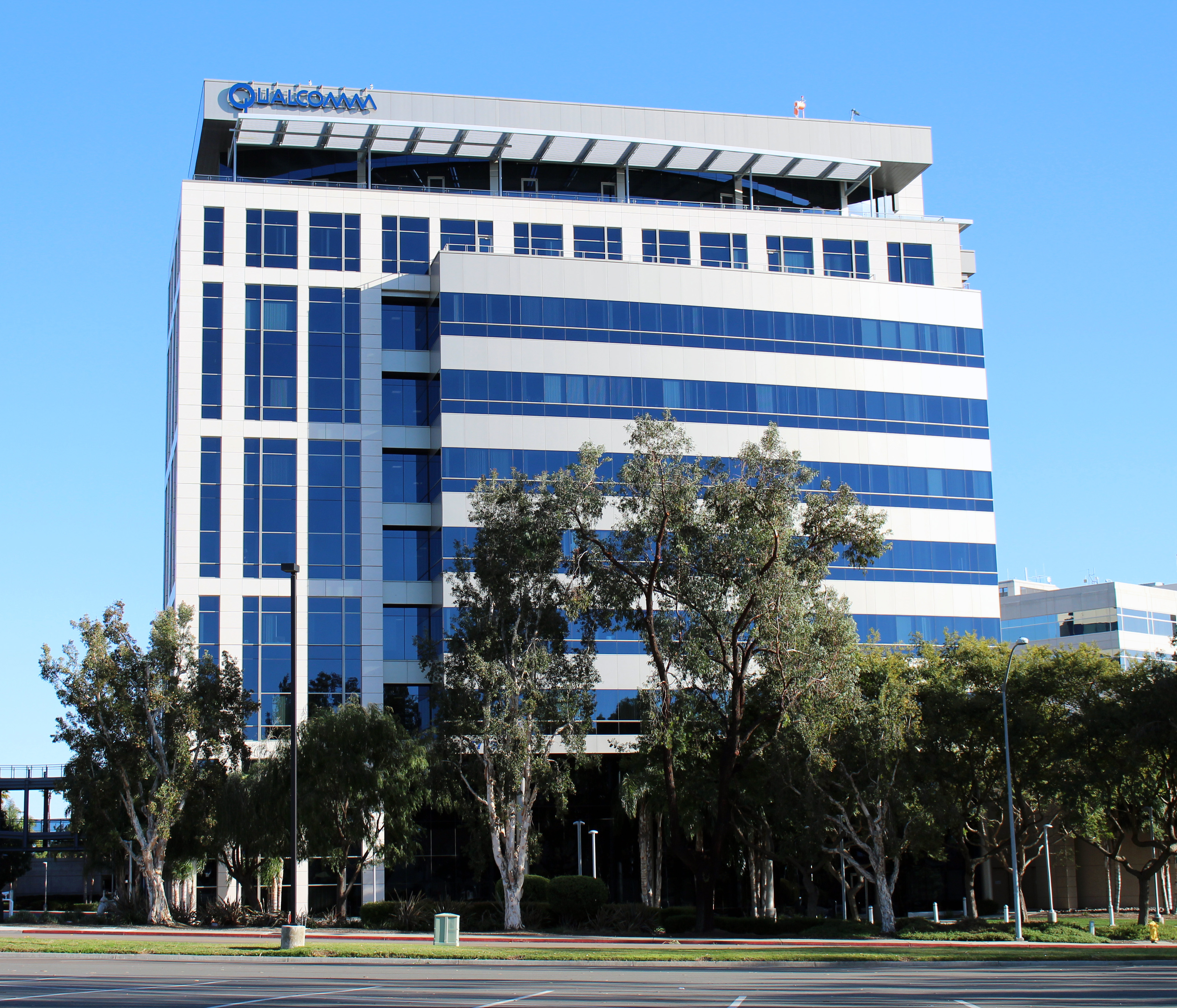
Inside the cabin, the experience will be equally transformative. The Snapdragon Cockpit platform promises to personalize every aspect of the driving environment, from climate control to seat positioning, based on individual preferences and habits. Meanwhile, the Snapdragon 5G Modem RF and V2X (Vehicle-to-Everything) technologies ensure low-latency connectivity, allowing cars to communicate with other vehicles, infrastructure, and even pedestrian devices—enhancing safety and efficiency.
The practical impact of this partnership is already becoming clear. Models built on the SSP will benefit from a unified software stack that supports continuous updates, reducing the need for costly redesigns or recalls. For consumers, this means cars that stay relevant longer, with features that can be added or refined after purchase—just like a smartphone app.
Beyond the ID. EVERY1, the partnership also supports Volkswagen’s broader push into automated driving through the Automated Driving Alliance, which includes Bosch and CARIAD. The goal is to accelerate the development of Level 3 and higher autonomy systems, where software, not just sensors, becomes the primary driver of safety and performance.
For Volkswagen, this alliance represents a pivotal moment in its transition from a traditional automaker to a tech-driven mobility company. By leveraging Qualcomm’s expertise in high-performance semiconductors and AI-optimized platforms, Volkswagen is positioning itself to compete with tech giants in the race to define the next generation of transportation—one where software isn’t just an add-on but the very essence of the car.