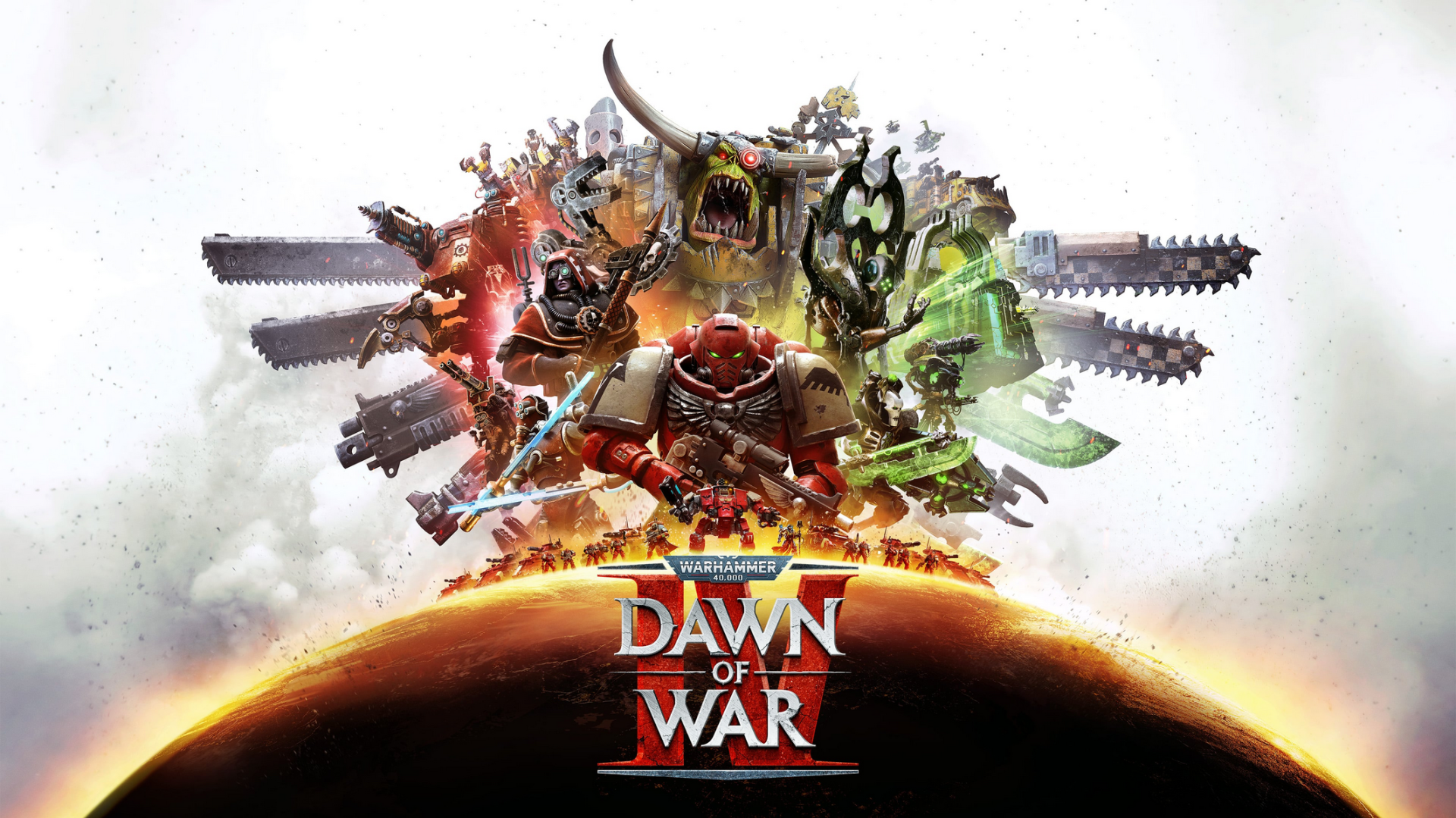
The Warhammer 40K universe is set to expand onto PC screens in September 2026 with the release of Dawn of War IV, marking a significant evolution for the franchise known for its tactical depth and epic storytelling. This installment promises not only a refined gameplay experience but also an ambitious post-launch content strategy designed to extend its lifespan well beyond the initial launch.
Developed with a focus on modern real-time strategy (RTS) mechanics, Dawn of War IV will feature enhanced unit customization, dynamic campaign missions, and a robust multiplayer component. The game is expected to build upon the foundation laid by previous titles while introducing innovations that cater to both newcomers and veteran players.
Key Specifications and Features
- Platform: PC (Windows)
- Release Date: September 2026
- Genre: Real-Time Strategy (RTS)
- Campaign: Single-player and co-op modes with a narrative-driven storyline set in the Warhammer 40K universe.
- Multiplayer: Competitive and cooperative multiplayer, including new game modes and maps tailored for both casual and hardcore players.
- Post-Launch Content: A comprehensive roadmap featuring at least six major expansions in the first year, each introducing new factions, units, and strategic elements to keep the experience fresh.
The post-launch roadmap is a notable departure from traditional game development cycles, signaling a commitment to long-term support. This approach aims to address one of the common criticisms of modern RTS games—short content lifespans—and instead deliver a living, evolving experience that rewards player investment over time.
Why This Matters for Gamers
For gamers, the announcement of Dawn of War IV comes at a pivotal moment. The RTS genre has seen a decline in recent years, with fewer titles entering the market and existing franchises struggling to innovate. Dawn of War IV’s focus on deep strategic gameplay, combined with its post-launch content strategy, could revitalize interest in the genre while setting a new standard for player retention.
The game’s emphasis on customization and dynamic missions also addresses another key trend: the demand for player agency. Unlike some recent RTS titles that prioritize accessibility or narrative-driven experiences, Dawn of War IV appears to strike a balance between depth and usability, making it appealing to both hardcore strategy fans and those new to the genre.
However, the success of this approach will depend on execution. While the roadmap is promising, the quality and variety of post-launch content will be critical in determining whether Dawn of War IV can sustain player engagement over time. The development team has a history of delivering high-quality titles, but the challenge lies in adapting that success to a model that relies heavily on ongoing support.
Looking ahead, Dawn of War IV could redefine what players expect from an RTS game. If it delivers on its promises, it may not only revive interest in the genre but also influence how other developers approach post-launch content strategies. For now, fans will have to wait until September 2026 to see if this vision becomes a reality.