AI’s insatiable hunger for memory has turned storage into a bottleneck, driving up SSD prices and leaving consumers and businesses scrambling for alternatives. Now, Western Digital is betting that a revival of traditional hard drives—reimagined with dual actuators and multi-track data paths—could carve out a niche in high-throughput applications where flash memory has dominated. The result? HDDs that move data at speeds once reserved for SSDs, but at a fraction of the cost.
The catch? These aren’t the drives you’d bolt into a gaming rig. WD’s High Bandwidth Drive Technology (HBDT) and dual-pivot actuator designs are squarely aimed at data centers, AI training clusters, and large-scale storage arrays where sequential throughput matters more than random access. In theory, the combination could push HDD speeds from 300 MB/s to 1.2 GB/s—a fourfold leap that, with further scaling, might even approach 4.8 GB/s in future iterations.
How It Works—and What It Doesn’t Replace
WD’s approach hinges on two core innovations
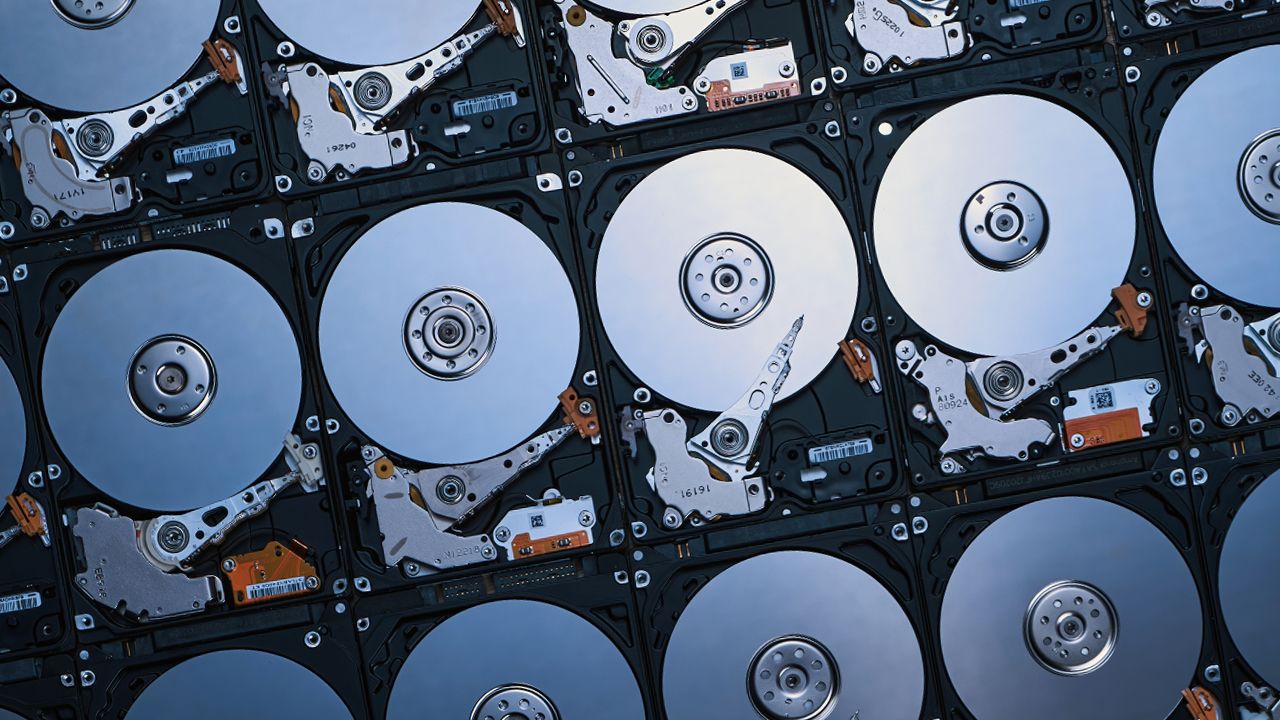
- High Bandwidth Drive Technology (HBDT): By reading or writing data across multiple tracks simultaneously (starting with two, scaling to eight), the drive effectively multiplies its data pipeline without sacrificing the reliability of spinning platters.
- Dual-Pivot Actuator: A second actuator arm allows the drive to handle more data in parallel, increasing both capacity and performance per physical footprint.
The result is a hard drive that, in the right workloads, could rival the sustained speeds of budget SSDs—though it’s important to clarify that this isn’t about replacing a SN850X in a gaming PC. WD’s own language frames these drives as ideal for AI training, object storage, and exabyte-scale video streaming, where large, sequential data transfers dominate. Random access—the kind that matters for gaming, video editing, or even database queries—remains a weak point for any mechanical drive.
Why This Matters (And Where It Doesn’t)
The implications for the broader storage market are twofold. First, if these drives gain traction in AI and enterprise environments, they could reduce demand pressure on NAND flash, potentially easing the supply crunch that’s kept SSD prices elevated. That, in turn, might trickle down to consumer pricing—though whether it’ll be enough to offset the AI-driven demand remains an open question.
Second, this isn’t about bringing HDDs back to the mainstream. The technology is optimized for cost-per-terabyte performance, not raw speed or durability in a desktop. For now, WD hasn’t disclosed a timeline for commercial availability, but the company’s framing suggests these drives will first appear in data center racks, not retail shelves.
In the grand scheme, this could be a pivotal moment for storage economics—if not for the hardware in your tower.