The PC market is in flux. RAM prices have spiked, SSDs are following suit, and even GPU releases are on hold. Yet, amid the chaos, one truth stands out: Prebuilt systems now deliver far more value than ever before—especially if you’re willing to look past the latest hardware.
Take the CyberPowerPC Gamer Xtreme, a mid-range gaming desktop now priced at $1,099.99 at Costco. Inside is 32GB of DDR5 RAM, a 2TB PCIe 4.0 SSD, and an Nvidia GeForce RTX 5060. Buying those components separately today would cost roughly $900 just for the RAM, SSD, and GPU—before adding a CPU, motherboard, or case. The prebuilt isn’t just convenient; it’s a bargain.
This shift isn’t accidental. Manufacturers have stockpiled components ahead of shortages, and retailers are clearing older models to make room for new releases. The result? Last-generation laptops and desktops—like the Acer Aspire 16 AI, still priced at $1,099 despite its 32GB RAM and 2TB SSD—are sitting at prices that would have been unthinkable a year ago.
Key specs of the CyberPowerPC Gamer Xtreme (Costco, $1,099.99)
- GPU: Nvidia GeForce RTX 5060
- RAM: 32GB DDR5
- Storage: 2TB PCIe 4.0 SSD
- CPU: (Not specified; likely Intel Core i5 or AMD Ryzen 5 equivalent)
- Connectivity: Wi-Fi 6, Gigabit Ethernet
- Power: 650W PSU (standard for mid-range gaming)
The math is stark: A prebuilt with these specs avoids the hidden costs of sourcing individual parts in a volatile market. Even if you find a sale on a last-gen system—like the Aspire 16 AI, now as low as $1,096.99—you’re getting a fully tested machine with no assembly hassle.
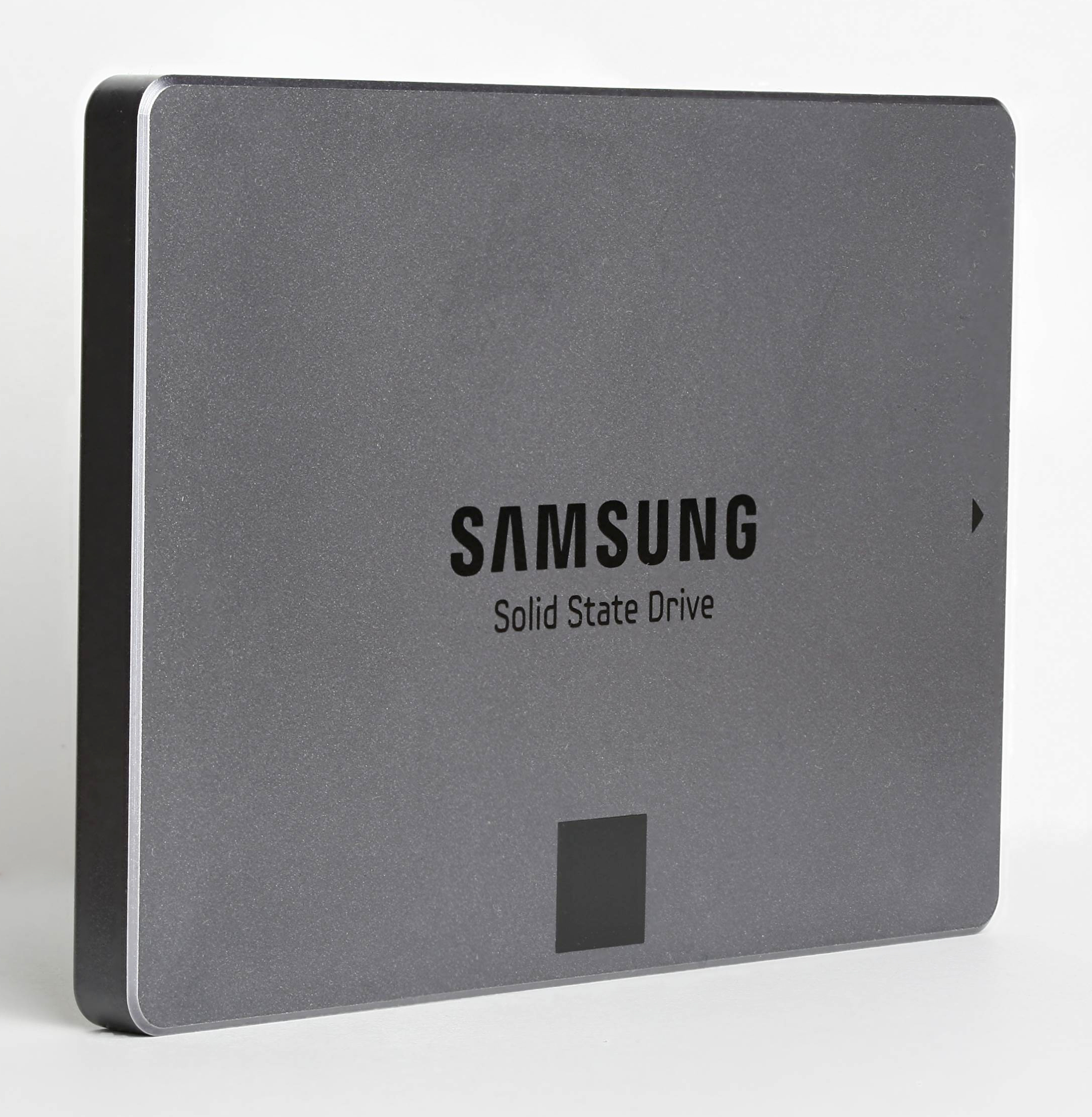
But here’s the catch: Upgrading an older PC may no longer be worth it. The cost of adding RAM or an SSD now often exceeds the price of a new mini PC or even a refurbished workstation. For example, a 32GB DDR5 kit alone can run $360, while a 2TB PCIe 4.0 SSD might hit $280. That’s nearly $650—enough to buy a compact, capable desktop with built-in performance.
Retailers like Costco, Best Buy, and Walmart are pushing these deals harder than ever. Why? Because manufacturers need to move inventory before new models arrive. The Aspire 16 AI, for instance, hasn’t seen a price hike despite the shortages—proof that some brands are holding firm on consumer pricing while suppliers scramble.
So who benefits? Gamers on a budget, creatives needing stable performance, and anyone tired of waiting for components to restock. The tradeoff? You might miss out on the latest CPU or GPU—but for most users, last-gen hardware still delivers 90% of the experience at a fraction of the cost.
Availability is immediate for systems like the CyberPowerPC Gamer Xtreme and Acer Aspire 16 AI, with prices locked in at major retailers. If you’ve been waiting for the right moment to upgrade, now might be it—just don’t expect to save by building your own.