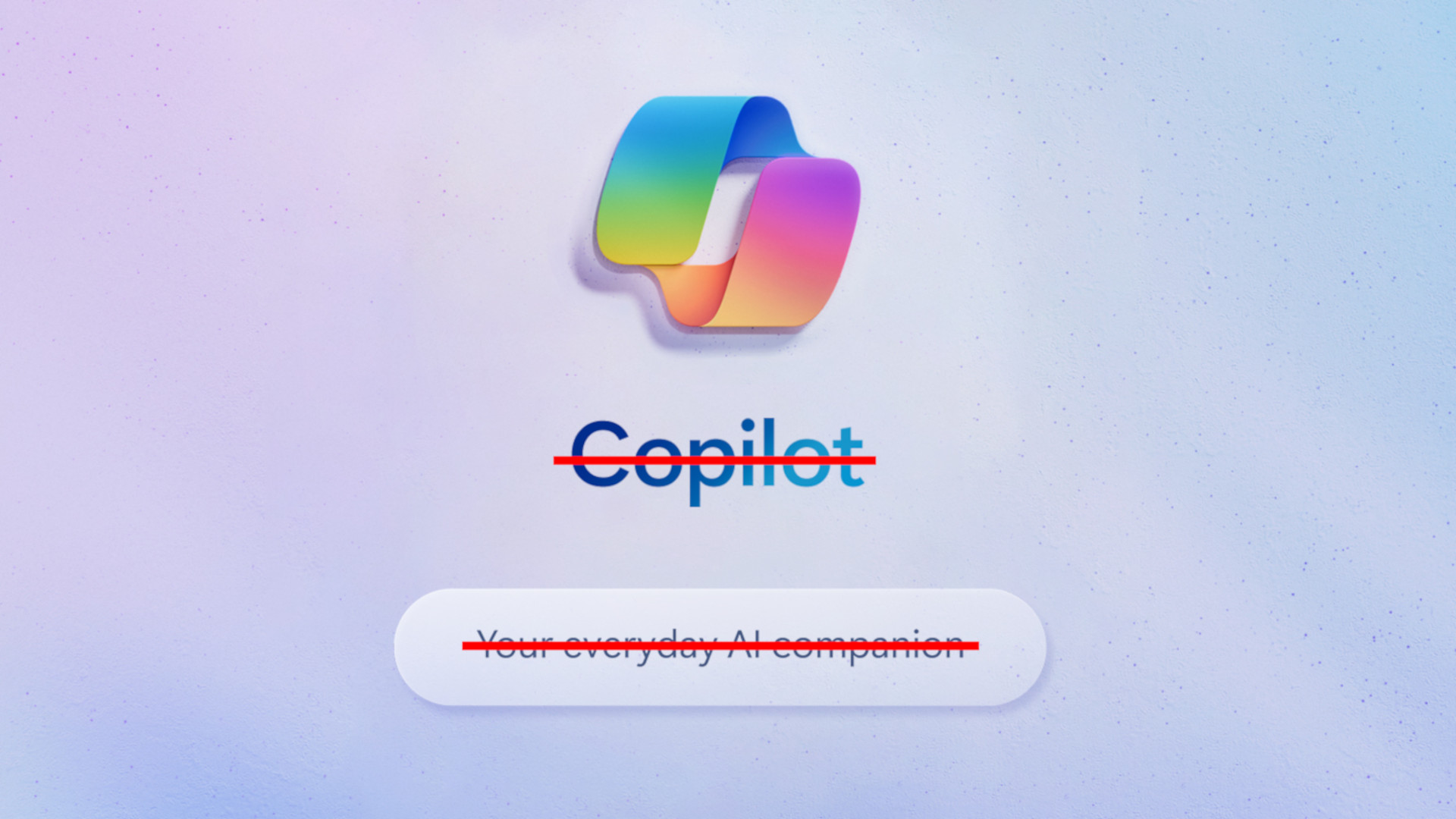
Windows 11 is undergoing a quiet but significant transformation in how it handles artificial intelligence, moving away from the high-profile promises of earlier updates toward a more pragmatic and user-driven model.
The latest adjustments to the operating system indicate that Microsoft is adopting a more cautious stance on AI integration. Rather than pushing experimental features into widespread use, the company is focusing on refining existing tools while ensuring they do not compromise system performance or compatibility. This shift comes at a time when many users and developers have expressed concerns about the resource demands of AI-driven functionalities, particularly in environments where processing power is critical.
- AI features will no longer activate automatically without user consent, giving individuals greater control over their system’s behavior.
- The operating system will prioritize stability and efficiency, reducing the risk of disruptions during demanding tasks like gaming or video editing.
- System resources, such as RAM and CPU, will be managed more effectively to prevent unnecessary slowdowns.
This new approach reflects a broader industry trend where the initial excitement around AI has given way to a more measured evaluation of its practical applications. Microsoft’s decision to make AI tools optional rather than pervasive aligns with user feedback, which has highlighted issues with background processes and compatibility. The goal is to strike a balance between innovation and reliability, ensuring that AI remains useful without becoming intrusive or destabilizing.
Performance First
The changes in Windows 11’s AI handling are designed to address one of the most common frustrations among users: resource drain. Previously, AI features could run silently in the background, consuming memory and processing power even when not actively needed. This often led to slower performance, particularly on devices with limited hardware capabilities.
With the latest updates, Microsoft has taken steps to mitigate this issue. Users will now be prompted before any AI feature is enabled, allowing them to choose whether or not they want to engage with these tools. This shift not only gives users more agency over their experience but also ensures that system resources are allocated more efficiently. For example, on devices equipped with 16 GB of RAM or more, the operating system will prioritize performance-critical tasks, reducing the likelihood of slowdowns during intensive workloads.
Stability Over Experimentation
Another key aspect of this shift is Microsoft’s renewed focus on stability. The company is no longer rushing to introduce untested AI innovations into mainstream releases, which had previously led to compatibility issues and system instability. Instead, the emphasis is on refining existing features and ensuring they are robust and reliable.
This approach is particularly beneficial for gamers and content creators, who rely on smooth performance during demanding tasks. By minimizing experimental features, Microsoft aims to create a more predictable and stable environment where users can trust that their system will perform as expected without unexpected interruptions or slowdowns.
A More Intentional AI Experience
For end-users, the changes in Windows 11’s AI handling will result in a more intentional and less intrusive experience. Background processes will be significantly reduced, and AI tools will only activate when explicitly requested by the user. This means that users who do not need or want these features can opt out entirely, while those who do will have access to them without the risk of performance degradation.
This shift also reflects a broader industry movement toward more responsible AI integration. As hardware limitations and user expectations continue to evolve, companies are recognizing the importance of balancing innovation with practicality. Microsoft’s decision to prioritize stability and user control in Windows 11 sets a new standard for how AI can be integrated into operating systems without compromising performance or reliability.
The result is an operating system that is more aligned with real-world needs, offering users both the benefits of AI tools and the peace of mind that comes with knowing their system will remain stable and responsive. This quieter, more practical approach to AI may not generate as much hype as previous announcements, but it could ultimately prove to be far more valuable for everyday users.