Windows Server 2025 is redefining its storage architecture, but the practical impact remains a mixed bag. The operating system now skips the legacy SCSI translation layer, which historically forced all storage operations through a single interface—even when newer protocols like NVMe could optimize them more effectively.
On paper, this should translate to lower latency and reduced CPU consumption, particularly for random read workloads. Preliminary benchmarks support this, showing measurable improvements in read performance under controlled conditions. However, write speeds remain largely unchanged, and deduplication—despite Microsoft’s claims of ongoing optimizations—continues to lag behind expectations.
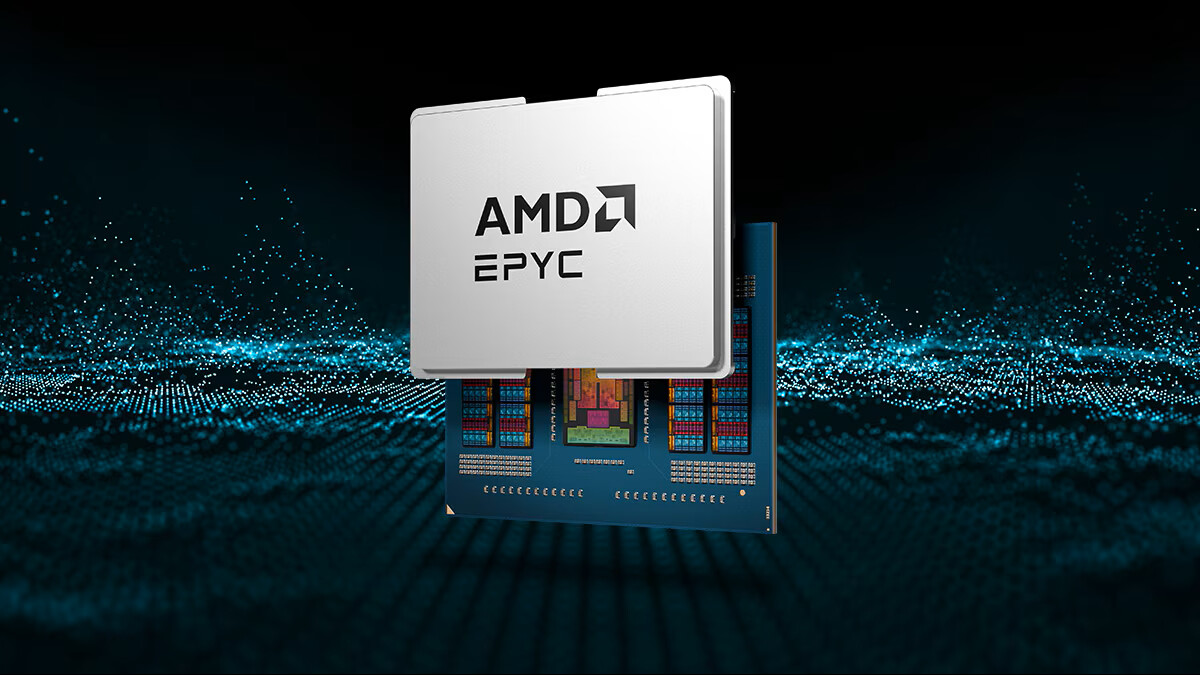
- CPU: Dual-SP5 socket server with two 128-core AMD EPYC 9754 processors
- RAM: 768 GB DDR5 at 4800 MT/s
- Storage: Sixteen 30.72 TB Solidigm P5316 NVMe SSDs (PCIe 4.0, JBOD)
The new storage stack is not enabled by default; administrators must manually activate it through a registry key. Microsoft says this will become the default option in future updates, but for now, users should treat it as an experimental feature rather than a production-ready solution.

Where these changes may have the most immediate effect is in data centers running read-intensive workloads, such as those processing large datasets with frequent random reads. In these environments, reduced CPU overhead could free up resources for other tasks. However, sequential write performance shows little improvement, indicating that the benefits are narrowly focused rather than broadly applicable.
The long-term implications of this architectural shift remain uncertain. While removing the SCSI layer is a logical step forward, its effectiveness will depend on how well Microsoft integrates it with emerging storage technologies. For now, the gains are real but limited—a reminder that even in 2025, storage performance is not as simple as flipping a switch.