Quiet Mode introduces a seven-day window where users can defer non-essential updates, including driver adjustments and optional cumulative updates. This change is notable for power users and IT teams managing multiple systems, as it reduces the frequency of unexpected reboots during critical tasks. However, for most consumers, the difference may be subtle—delaying rather than eliminating disruptions.
The feature does not alter the fundamental behavior of security patches or major system updates, which continue to install automatically and can still trigger reboots. This raises doubts about whether Microsoft is addressing deeper systemic issues or merely adding a layer of convenience without tackling the root causes of frustration. The lack of broader changes suggests this could be an incremental step rather than a transformative one.
For those who build or maintain PCs, Quiet Mode may provide marginal relief by allowing more controlled update schedules. However, it does not resolve the core problem: the inability to fully customize or opt out of certain updates without risking security vulnerabilities. If Microsoft stops here, users may feel they are getting a cosmetic fix rather than meaningful progress.
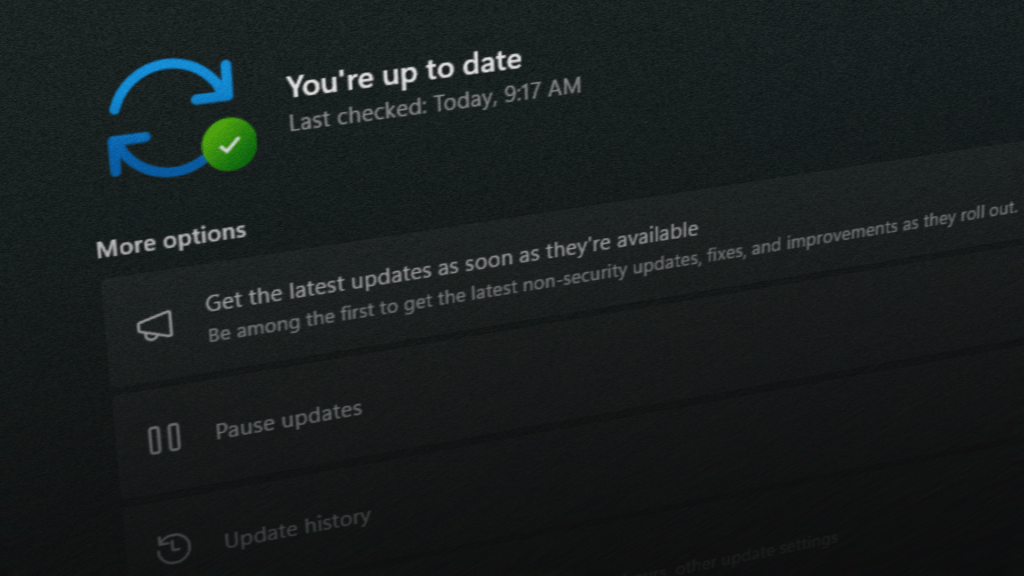
Without further adjustments—such as making optional updates truly optional or allowing more granular control over update timing—the feature risks being seen as a superficial tweak. It offers a temporary solution to an ongoing frustration, but it does not fundamentally change how Windows Update operates. Whether this is enough to satisfy long-time critics or if it signals the beginning of larger reforms remains uncertain.
In the meantime, Quiet Mode serves as a minor adjustment rather than a major overhaul. It softens the edges of a system that has long been criticized for its lack of flexibility and user control. For now, users must weigh whether this small step is worth celebrating or if they should continue to hope for more substantial changes in the future.