The Xbox Series X and S will soon redefine console gaming with a focus on 120Hz performance, but the transition comes with hidden efficiency costs. The Series X will support native 4K at 120Hz, while the Series S—though limited to 60Hz—will push hardware optimization further than ever before. For IT teams managing gaming infrastructure, this shift means balancing smoother visuals against potential power and thermal tradeoffs that aren’t yet fully understood.
At its core, the move to 120Hz isn’t just about frame rates; it’s a test of efficiency. The Xbox Series X’s custom AMD CPU and GPU are already optimized for high-refresh output, but sustaining 4K at 120Hz without sacrificing performance is no small feat. Early benchmarks suggest some games will struggle to maintain graphical fidelity at this level, forcing developers to prioritize frame rate over visual polish in certain scenarios. Meanwhile, the Series S, with its lower-power architecture, faces a different challenge: delivering as much performance as possible within its 570GB NVMe storage and 10GB GDDR6 constraints while avoiding thermal throttling.
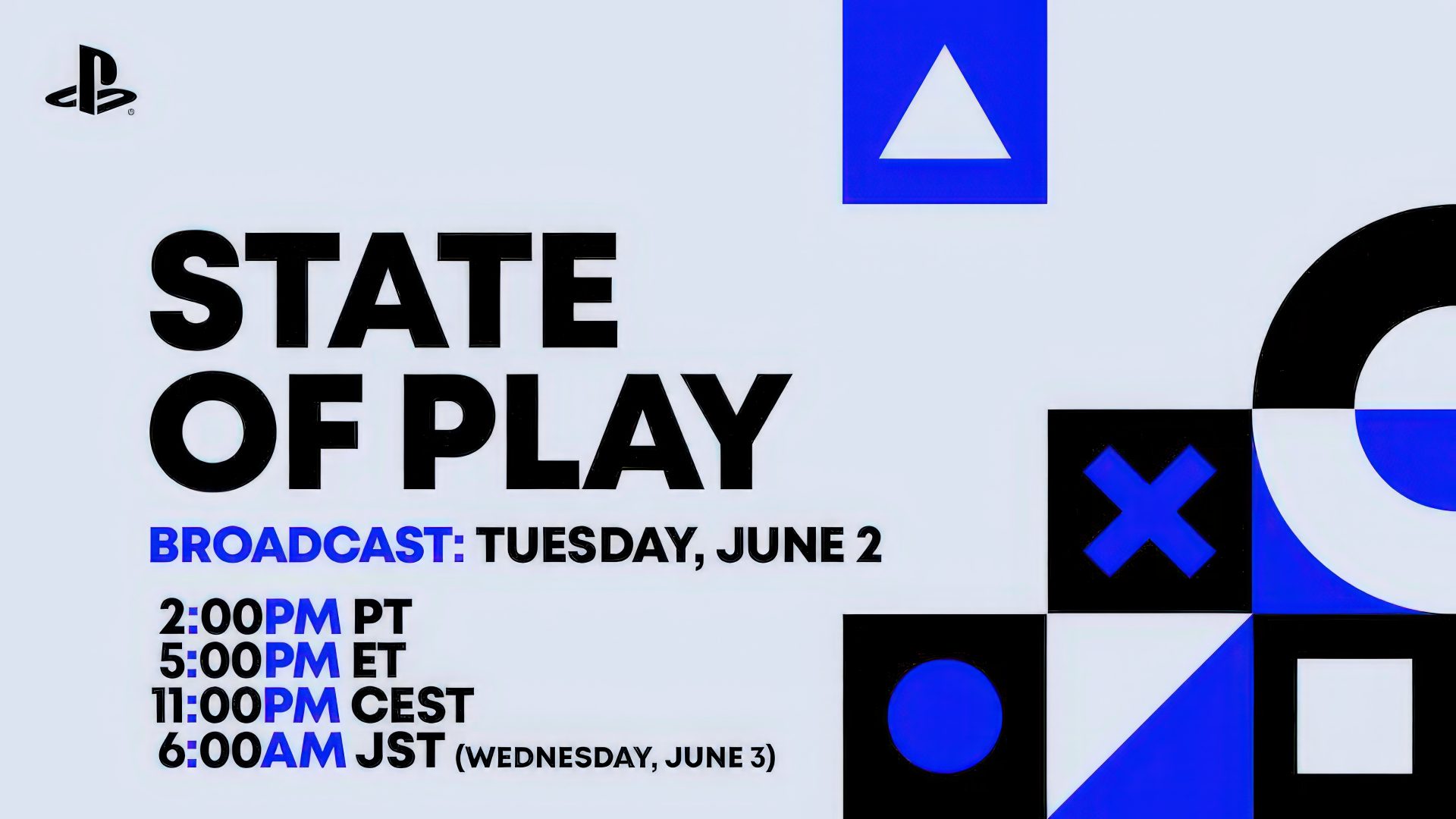
The June Game Showcase will serve as a real-world stress test for these changes. Titles like Gears of War: E-Day are expected to showcase the benefits of 120Hz—smoother motion, reduced input lag—but also highlight where efficiency takes a backseat. Competitive players may see improvements in responsiveness, while others could encounter stuttering or load-time increases if games aren’t fully optimized for the new standards.

- Key Specifications:
- Series X: 4K @ 120Hz (HDR), 16GB GDDR6 RAM, Custom AMD CPU/GPU
- Series S: 60Hz max, 570GB NVMe storage, 10GB GDDR6 RAM
- Performance Focus: Hardware-optimized titles, potential tradeoffs in graphical fidelity or load times
The biggest unknown remains how these changes will scale over time. While the Series X is built for high-end performance, sustaining 4K at 120Hz could lead to increased power draw and heat output, forcing IT teams to revisit cooling solutions. The Series S, on the other hand, may see more aggressive power management to avoid thermal throttling—a balancing act that hasn’t been fully tested yet.
As the industry moves toward 120Hz as a baseline, the question isn’t just about hardware capabilities but how efficiently these systems can deliver real-world performance. Smoother visuals are only part of the equation; the long-term impact on power consumption, thermal management, and gameplay stability remains to be seen. For IT teams, staying ahead means preparing for both the benefits and the unforeseen challenges that come with pushing gaming standards further than ever before.