What’s the biggest shift in Xbox’s 2026 roadmap? It’s not just incremental upgrades—it’s a full-scale expansion into new hardware and workflows. The company is finally unlocking deeper integration with Arm-powered Windows 11 PCs, a feature users have clamored for since the platform’s launch. Why the delay? Compatibility challenges with DirectX and legacy game support forced Microsoft to tread carefully. Now, with optimizations in place, the Xbox app will arrive on Arm devices later this year, bringing Game Pass and backward compatibility to a growing segment of ultra-efficient PCs.
But Arm support isn’t the only headline. A long-overdue update to save sync is arriving, too. The new indicator will let players track progress across devices—whether switching from a Series X to a phone or back to a PC—without manual checks. This isn’t just convenience; it’s a direct response to fragmentation in gaming habits. With hybrid play rising, Microsoft is betting that seamless continuity will keep users locked into its ecosystem.
Then there’s the TV front. Hisense smart TVs running homeOS will soon host Xbox Cloud Gaming, turning living rooms into low-latency gaming hubs. No console required. This move mirrors Sony’s PlayStation Now strategy but with a twist: Microsoft is leveraging its existing Game Pass catalog to reduce friction. The catch? Performance will hinge on Hisense’s underlying hardware—something the company hasn’t detailed publicly. Early benchmarks suggest titles like Starfield and Forza Horizon 5 will run at mid-range resolutions, but die-hard gamers may still crave a physical controller.
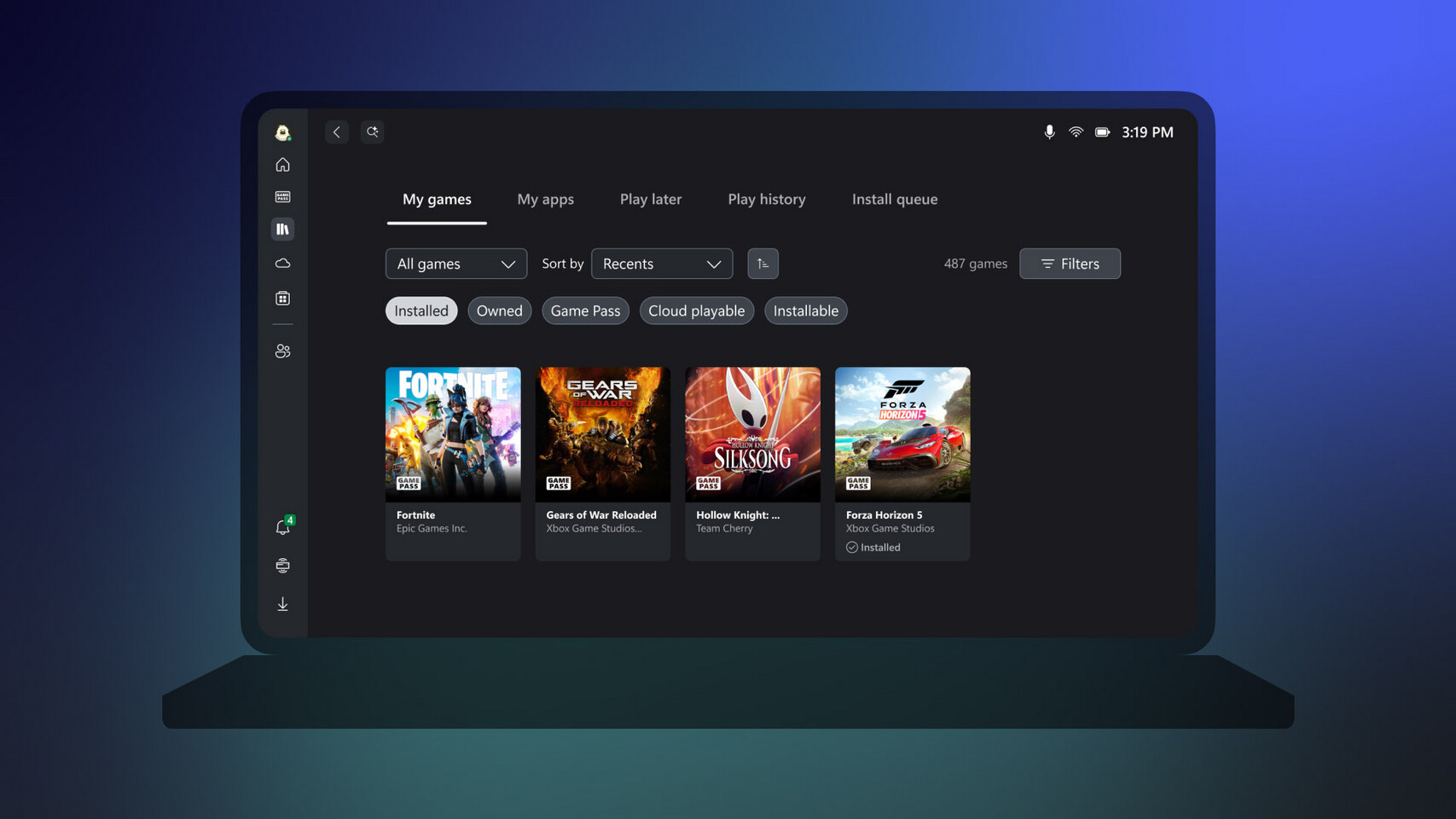
When will this all happen? Arm PC support is slated for mid-2026, with save sync rolling out in phases starting this spring. Hisense TV integration follows in late 2026, pending hardware partnerships. Pricing remains unchanged—Game Pass tiers stay the same, but the added flexibility could justify upgrades for power users.
So why should gamers care? For Arm PC owners, this is a long-awaited validation of Microsoft’s hybrid vision. For cloud-first players, the TV push could redefine casual gaming. And for everyone else? It’s a reminder that Xbox isn’t just competing with PlayStation and Nintendo anymore—it’s building a platform that spans every screen.
The question isn’t whether these changes will work. It’s whether Microsoft can execute without alienating its core audience. With 1,000+ new cross-platform games on the horizon, the stakes are high—but the potential payoff is a gaming ecosystem that finally feels unified.