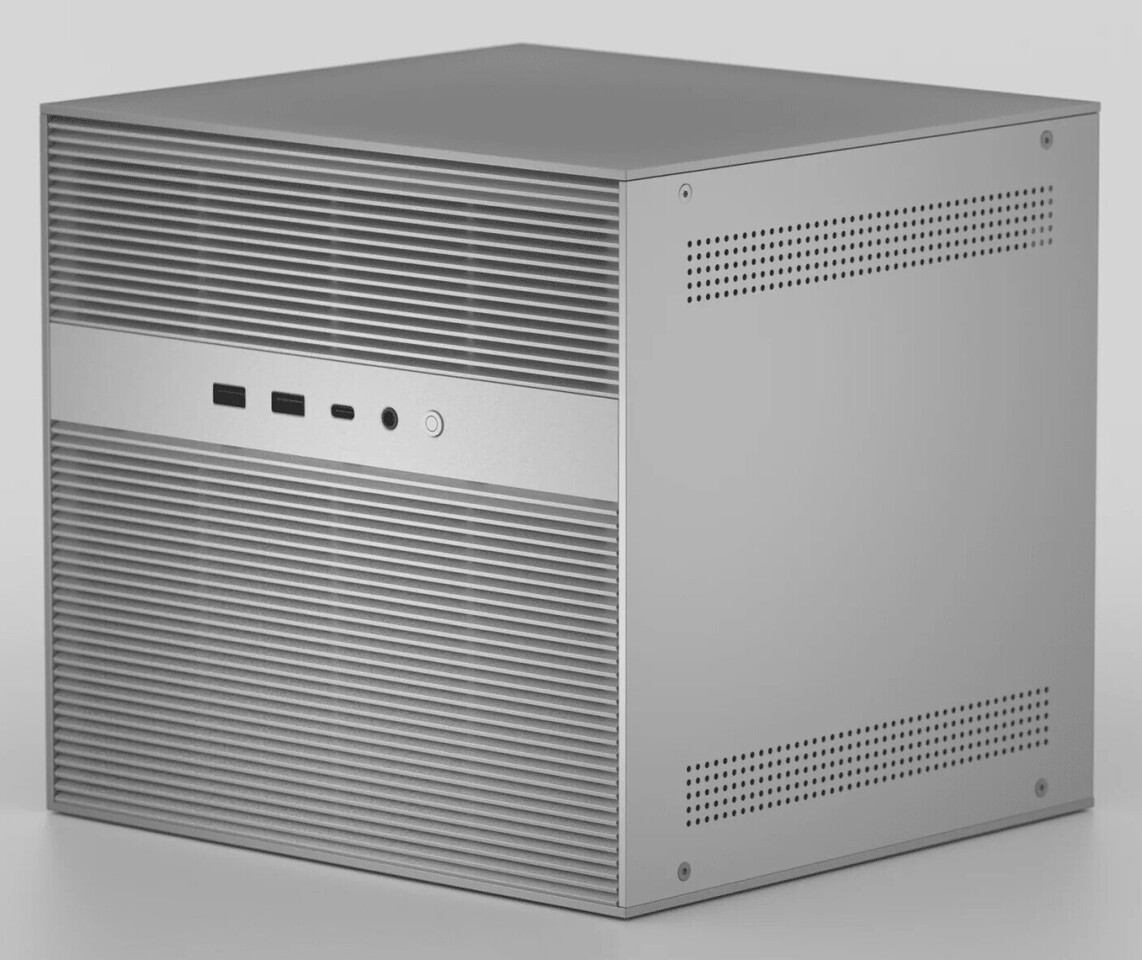
The ZimaCube 2 series has arrived as a direct response to the growing demand for high-performance yet space-conscious network-attached storage (NAS) systems. Designed with IT teams in mind, this latest generation of IceWhale’s compact NAS platform aims to bridge the gap between performance and physical footprint, offering a compelling alternative to traditional tower or rack-mounted solutions.
What sets the ZimaCube 2 apart is its ability to deliver enterprise-grade features without requiring a full-scale server room. The series includes four models—ZimaCube 2, ZimaCube 2+, ZimaCube 2 Pro, and ZimaCube 2 Pro+, each tailored to different workloads while maintaining a consistent form factor that fits seamlessly into office environments or small data centers.
Performance Without the Bulk
The ZimaCube 2 series is built around a combination of Intel Celeron and Pentium processors, paired with up to 16 GB of DDR4 RAM. This configuration ensures smooth operation for tasks ranging from file sharing and media streaming to basic virtualization and database management.
- ZimaCube 2: Dual-core Celeron J3160M, 8 GB RAM, 4 bays (supports up to 12 TB raw capacity).
- ZimaCube 2+: Quad-core Pentium J3455, 8 GB RAM, 4 bays (upports up to 12 TB raw capacity).
- ZimaCube 2 Pro: Quad-core Celeron J4105, 16 GB RAM, 4 bays (supports up to 24 TB raw capacity).
- ZimaCube 2 Pro+: Quad-core Pentium J4125, 16 GB RAM, 4 bays (supports up to 24 TB raw capacity).
The Pro models, in particular, stand out with their increased RAM and support for larger storage configurations. This makes them suitable for more demanding tasks such as running multiple Docker containers or hosting lightweight virtual machines, which are becoming increasingly common in IT workflows.
A Focus on Compatibility and Future-Proofing
One of the most critical aspects of any NAS system is its ability to integrate smoothly with existing infrastructure. The ZimaCube 2 series addresses this by supporting a wide range of operating systems, including Linux distributions like Debian and Ubuntu, as well as IceWhale’s own TrueNAS CORE, which is built on FreeBSD. This flexibility allows IT teams to choose the platform that best fits their environment without worrying about compatibility issues.
Additionally, the series includes hardware-accelerated transcoding capabilities, which are a significant upgrade from previous generations. This feature is particularly valuable for media-heavy workloads, such as streaming 4K content or encoding video on the fly. The inclusion of M.2 slots for NVMe SSDs further enhances performance, providing faster boot times and reduced latency for critical operations.
Comparing to the Competition
When placed alongside other compact NAS solutions like Synology’s DS1821+ or QNAP’s TVS-472, the ZimaCube 2 series holds its own in terms of performance and feature set. However, it distinguishes itself by offering a more budget-friendly entry point while still delivering enterprise-grade reliability. The Pro models, for instance, compete closely with higher-tier Synology and QNAP units, but without the premium price tag.
That said, there are trade-offs. While the ZimaCube 2 series excels in compactness and cost-effectiveness, it may not match the ecosystem integration of some competitors. For example, Synology’s DS series often includes deeper third-party app support through its Package Center, which could be a deciding factor for teams heavily invested in Synology’s software stack.
Where the ZimaCube 2 Fits in Today
The ZimaCube 2 series is positioned as a practical solution for IT teams looking to modernize their storage infrastructure without overhauling their entire setup. Its compact form factor, combined with robust hardware specifications, makes it an attractive option for small businesses or departments within larger organizations that need scalable, reliable storage without the overhead of traditional server rooms.
For buyers, the key takeaway is clear: if compatibility and cost are top priorities, the ZimaCube 2 series offers a strong alternative to more established players. However, teams that rely heavily on third-party software or require extensive app ecosystems may need to weigh these trade-offs carefully. As NAS technology continues to evolve, the ZimaCube 2 series serves as a reminder that performance and efficiency don’t always require a massive footprint.