Memory prices are climbing, but one $1,300 gaming configuration remains untouched. It’s not just about resilience—it’s about redefining what’s possible when costs spiral upward.
The build centers on DDR4 memory, a technology that has long been the backbone of high-end systems. Yet, as SSD and RAM prices surge, this setup stands firm, delivering performance without compromise. The key lies in balancing cost, capacity, and speed in an era where every dollar counts.
Why This Build Matters Now
Enterprise buyers and enthusiasts alike face a familiar dilemma: rising component costs paired with unrelenting demand for speed. This build cuts through the noise by prioritizing DDR4’s stability over newer, pricier alternatives. It’s a calculated risk—one that pays off in benchmarks and real-world performance.
Specs That Hold Their Ground
- DDR4 memory with 16GB capacity (2x8GB)
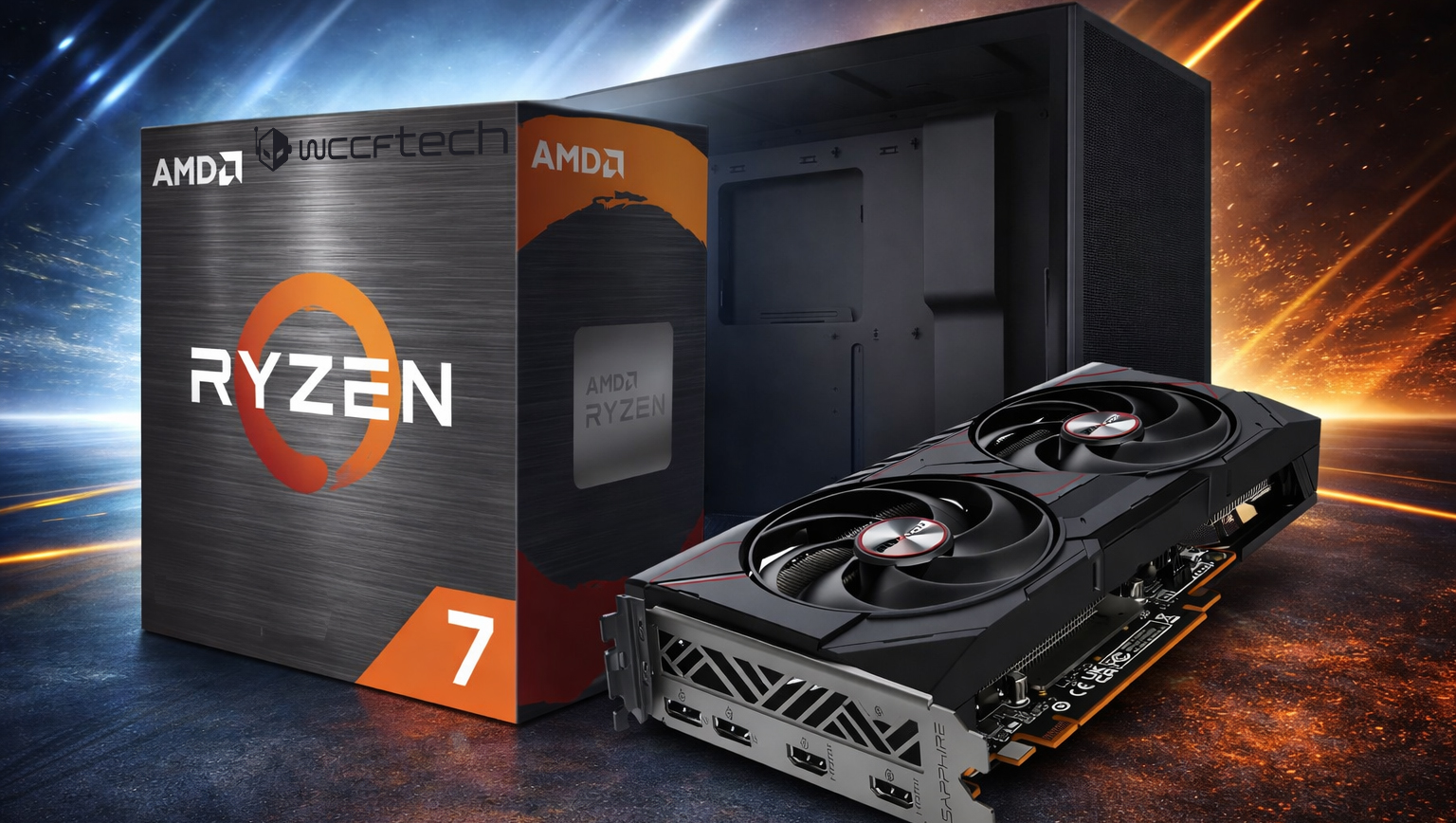
- AMD Ryzen 7 5800X processor (8 cores, 16 threads)
- NVIDIA RTX 3080 graphics card
- 1TB NVMe SSD for storage
- Windows 11 Pro license included
The combination is deliberate. The Ryzen 7 5800X ensures multi-threaded performance, while the RTX 3080 handles ray tracing and raw graphical power. The DDR4 memory, though older, remains efficient for gaming workloads, avoiding the premium of DDR5 without sacrificing too much in speed.
Market Dynamics at Play
Supply chain constraints have pushed RAM and SSD prices upward, but DDR4’s maturity means it avoids some of the volatility. This build leverages that stability, offering a full system for under $1,300—a feat that was once common but now feels like an outlier.
A Glance at the Tradeoffs
- DDR4 vs. DDR5: Lower cost but slightly older tech
- Ryzen 7 5800X vs. newer CPUs: Proven performance, less future-proof
- RTX 3080 vs. RTX 40-series: Strong ray tracing, no DLSS 3 support
The tradeoffs are clear. DDR4 lacks the bandwidth of DDR5, and the Ryzen 7 5800X won’t push the boundaries of next-gen workloads. But for gaming, these compromises are negligible. The RTX 3080’s ray tracing capabilities still hold up, making this a strong contender in today’s market.
Who Benefits Most?
This build is tailored for those who need performance without the premium of cutting-edge hardware. Enterprise buyers evaluating gaming workstations or enthusiasts building systems on a budget will find value here. It’s proof that stability isn’t just about cost—it’s about strategy.