The Pixel 11 breaks from Google’s usual hardware approach by emphasizing efficiency over raw power. For professionals who rely on their devices for heavy multitasking—whether managing spreadsheets, editing files, or running background processes—a phone that stays cool and maintains consistent speed is essential. This isn’t just about avoiding overheating; it’s about ensuring smooth performance when demands are highest.
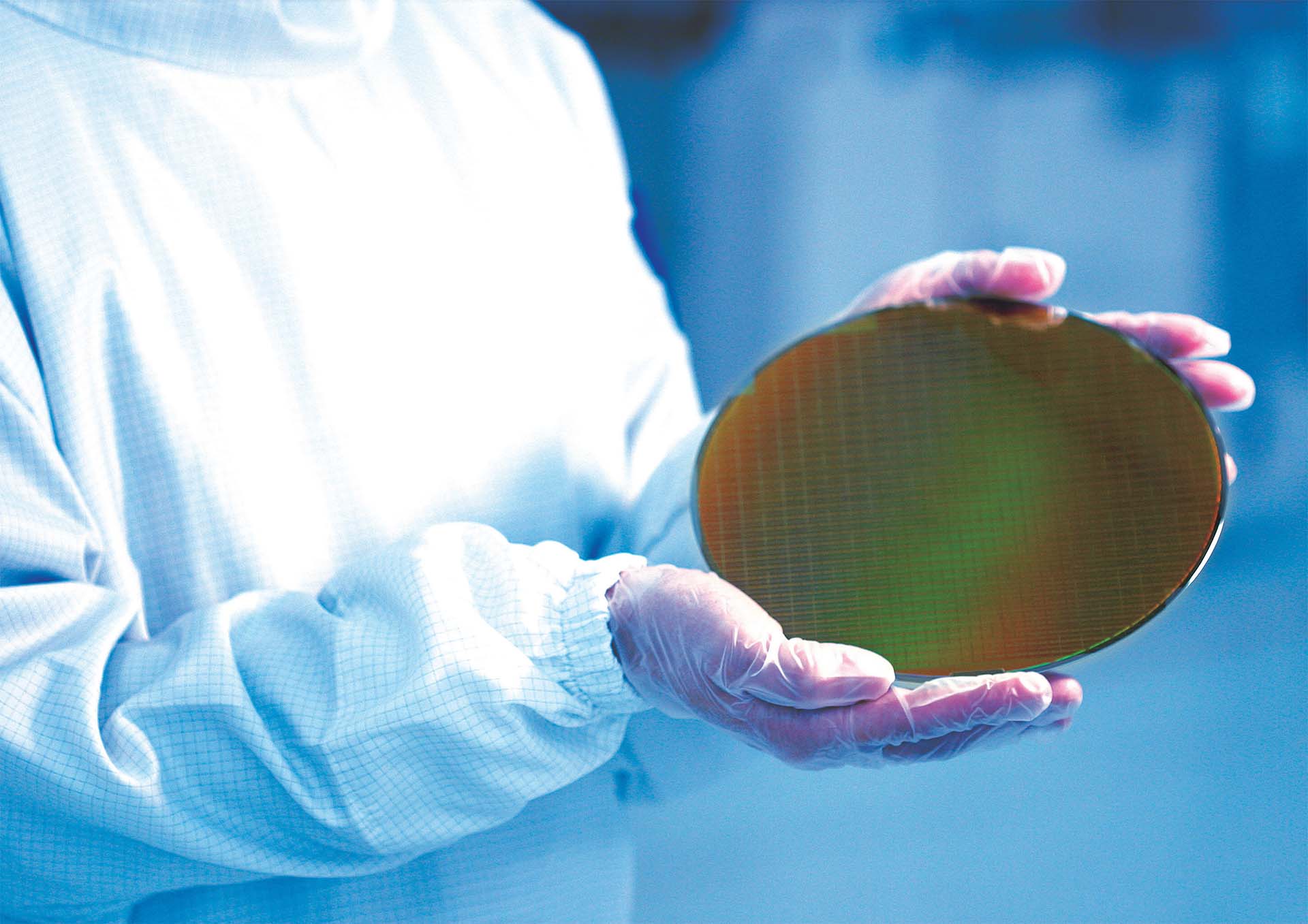
At the heart of this design is a custom Tensor chip, optimized to balance workloads across its cores without excessive power consumption. Unlike traditional processors that rely on high clock speeds and aggressive cooling, the Pixel 11 dynamically adjusts performance to prevent thermal throttling, even during prolonged use. This makes it particularly well-suited for small businesses where mobile devices serve as workstations, reducing interruptions and extending usable battery life.
Key specifications reflect this focus on efficiency
- Processor: Tensor chip with 2 performance cores + 4 efficiency cores, GPU with 7 cores. CPU peaks at 3.0 GHz; GPU at 1.0 GHz.
- Memory: 8 GB LPDDR5X standard (expandable to 12 GB in select configurations).
- Storage: 128 GB or 256 GB UFS 3.1, no microSD slot.
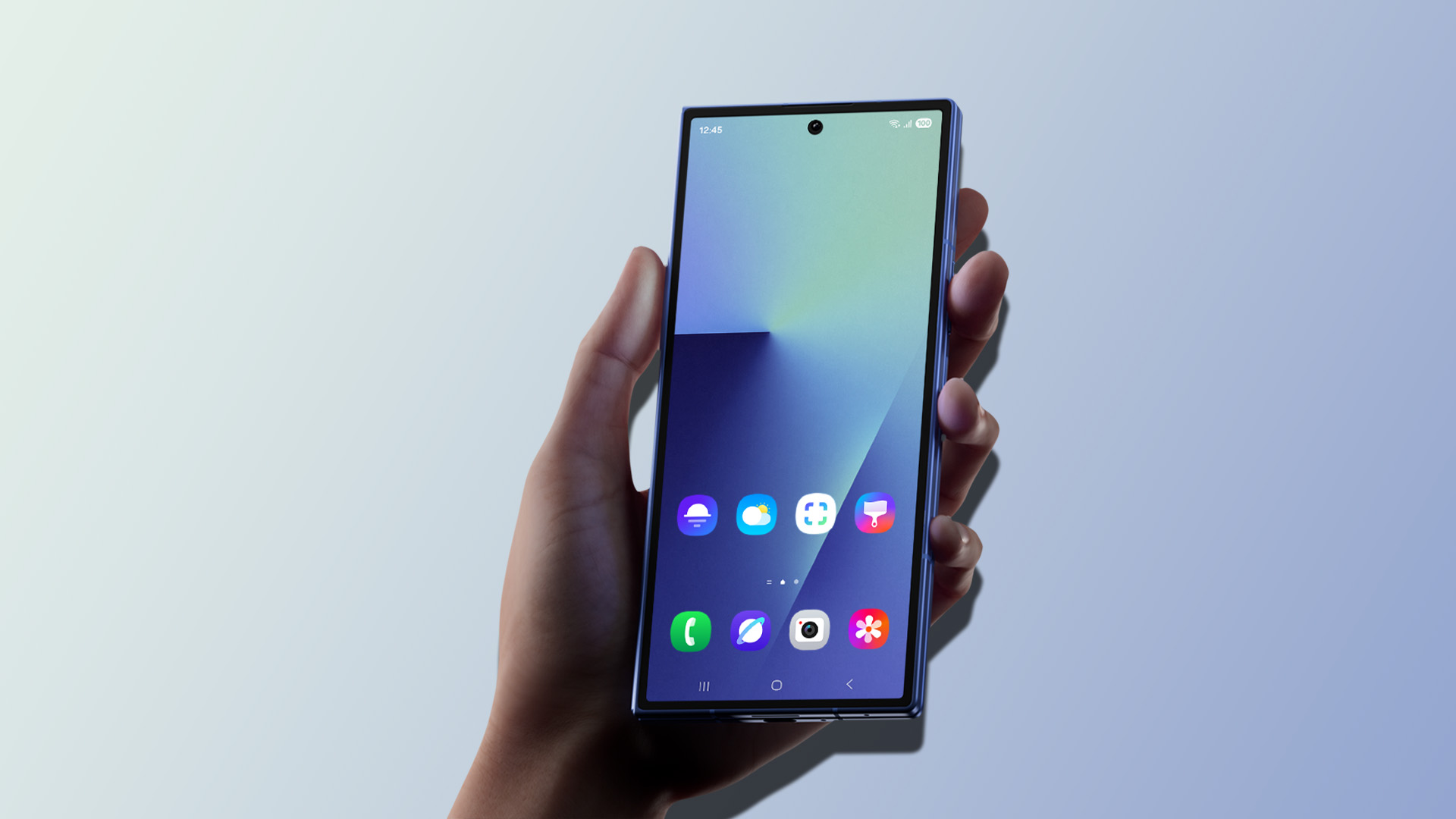
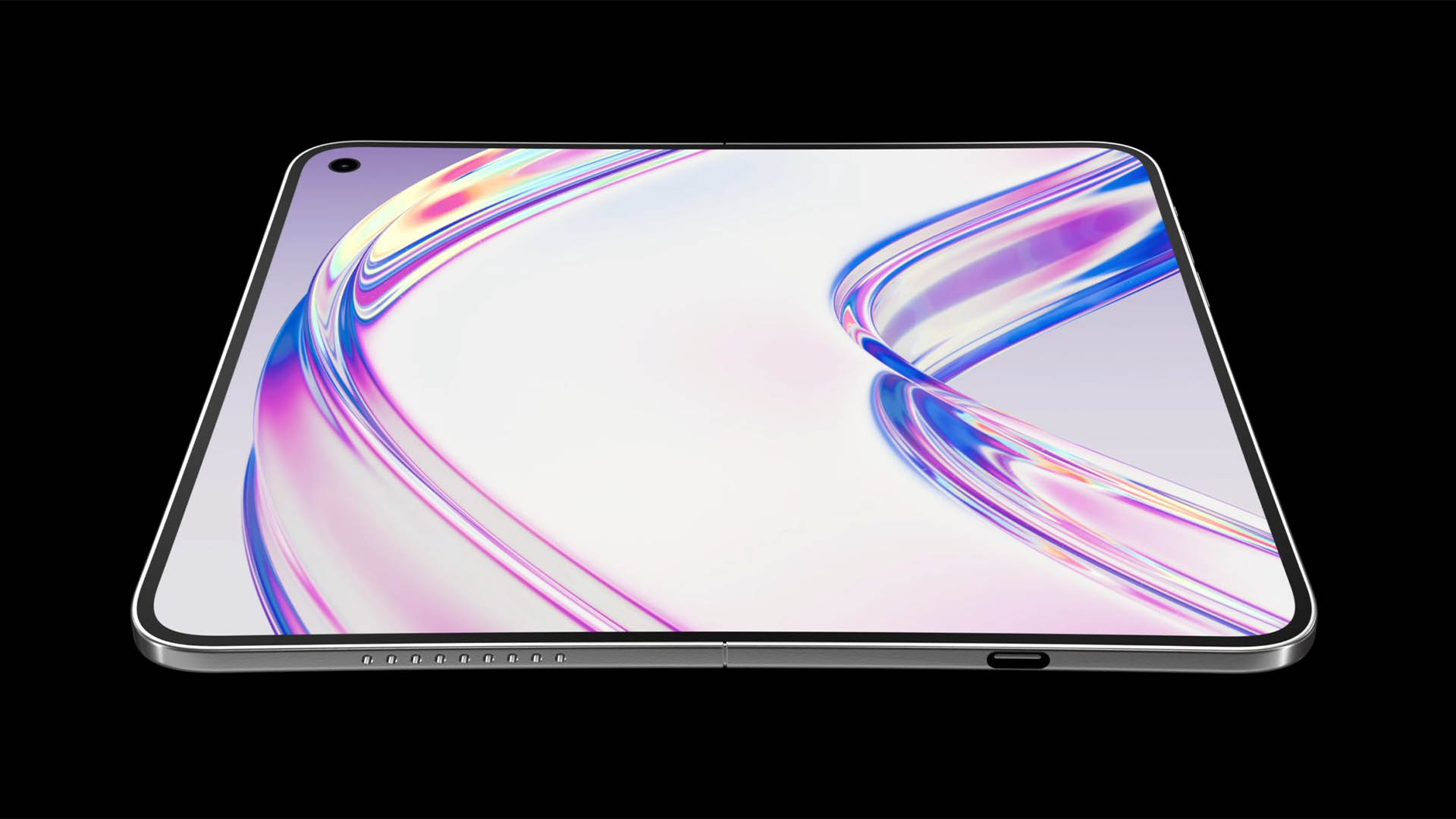
- Display: 6.7-inch FHD+ OLED with ultra-slim bezels, 90Hz adaptive refresh rate.
- Battery: 5,050 mAh with smart charging prioritizing longevity over speed.
- Cameras: Dual 50MP modules (main + ultrawide) with computational enhancements for low-light performance.
- Connectivity: 5G, Wi-Fi 6E, Bluetooth 5.3, USB-C (no 3.5mm jack).
The compact bezel design isn’t just about aesthetics—it maximizes screen real estate for productivity while keeping the device small enough to fit comfortably in a pocket or dock. This is particularly beneficial for professionals who frequently switch between apps or use split-screen multitasking, as the extra display space reduces the need for constant zooming or scrolling.
Pricing plays a significant role in its appeal. While competitors often charge premium prices for similar hardware, the Pixel 11 offers strong performance at a more accessible cost without sacrificing core functionality. This approach reflects Google’s strategy of delivering value through smart engineering rather than raw specifications. For small businesses, this means avoiding the premium surcharges seen in other flagships while still accessing essential features.
Availability is expected later this year, though no specific date has been announced. For those who prioritize efficiency and practicality over raw power, the Pixel 11 promises to be a standout choice in a market where devices often demand more than they deliver in real-world use.