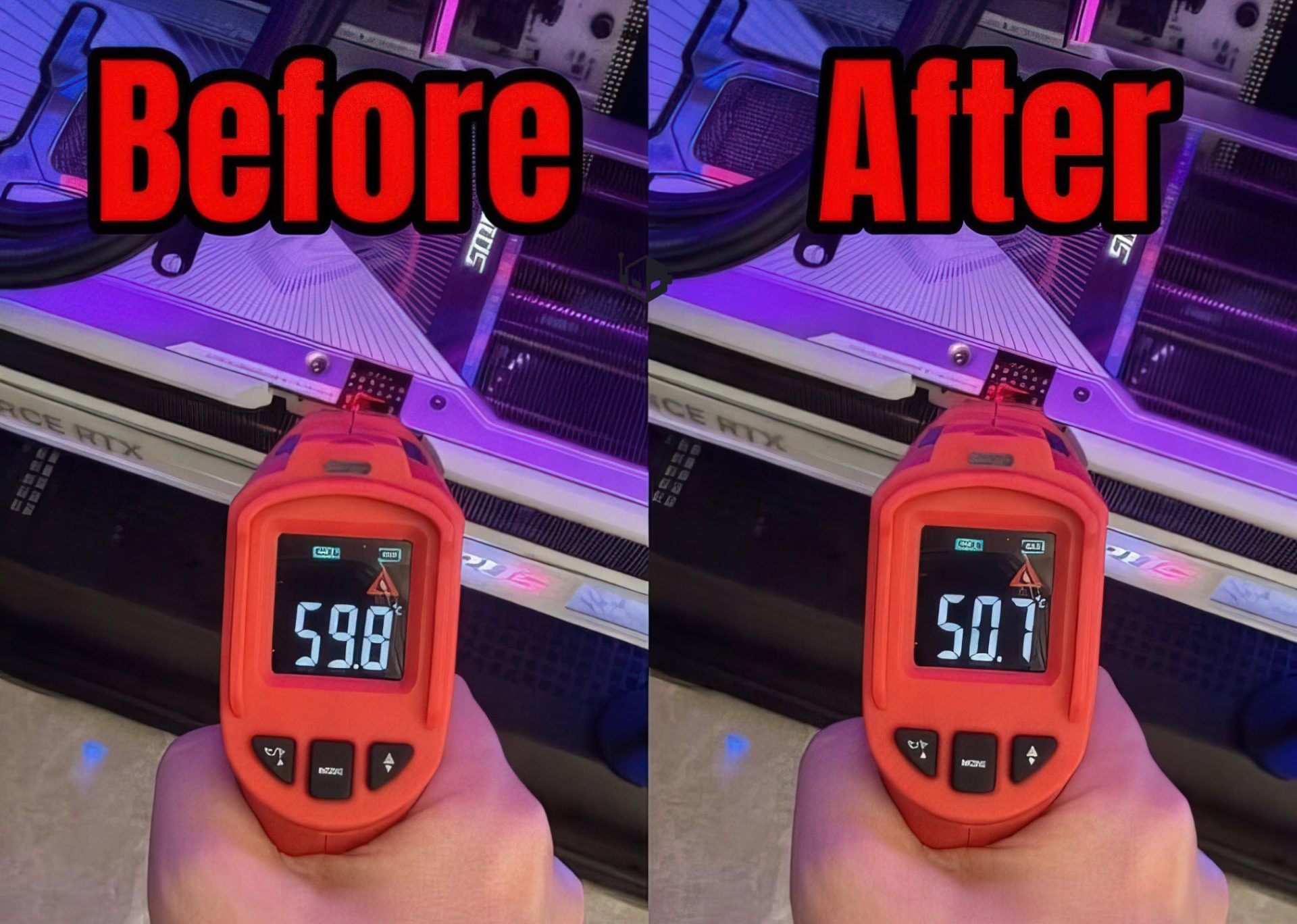
The RTX 5080’s story is one of performance extremes, where raw power meets practical constraints. Its DDR5 memory interface and PCIe 5.0 support are not mere technical upgrades—they represent a shift in how modern systems communicate. DDR5, with its higher bandwidth and efficiency, allows for smoother data transfer between the GPU and other components, reducing latency in tasks that demand split-second precision, whether rendering complex scenes or processing real-time graphics. PCIe 5.0, meanwhile, future-proofs the card by enabling faster storage solutions like NVMe SSDs, which can now reach speeds beyond what PCIe 4.0 could handle.
These upgrades are particularly noticeable in 4K gaming and content creation, where the increased bandwidth and memory capacity translate to higher frame rates and more detailed textures without sacrificing performance. However, the practical implications are not always straightforward. For instance, while DDR5 offers theoretical benefits, real-world gains depend on the specific workload and system configuration. A user with a high-refresh-rate monitor may see tangible improvements in fluidity, but those working with less demanding tasks might not notice a significant difference.
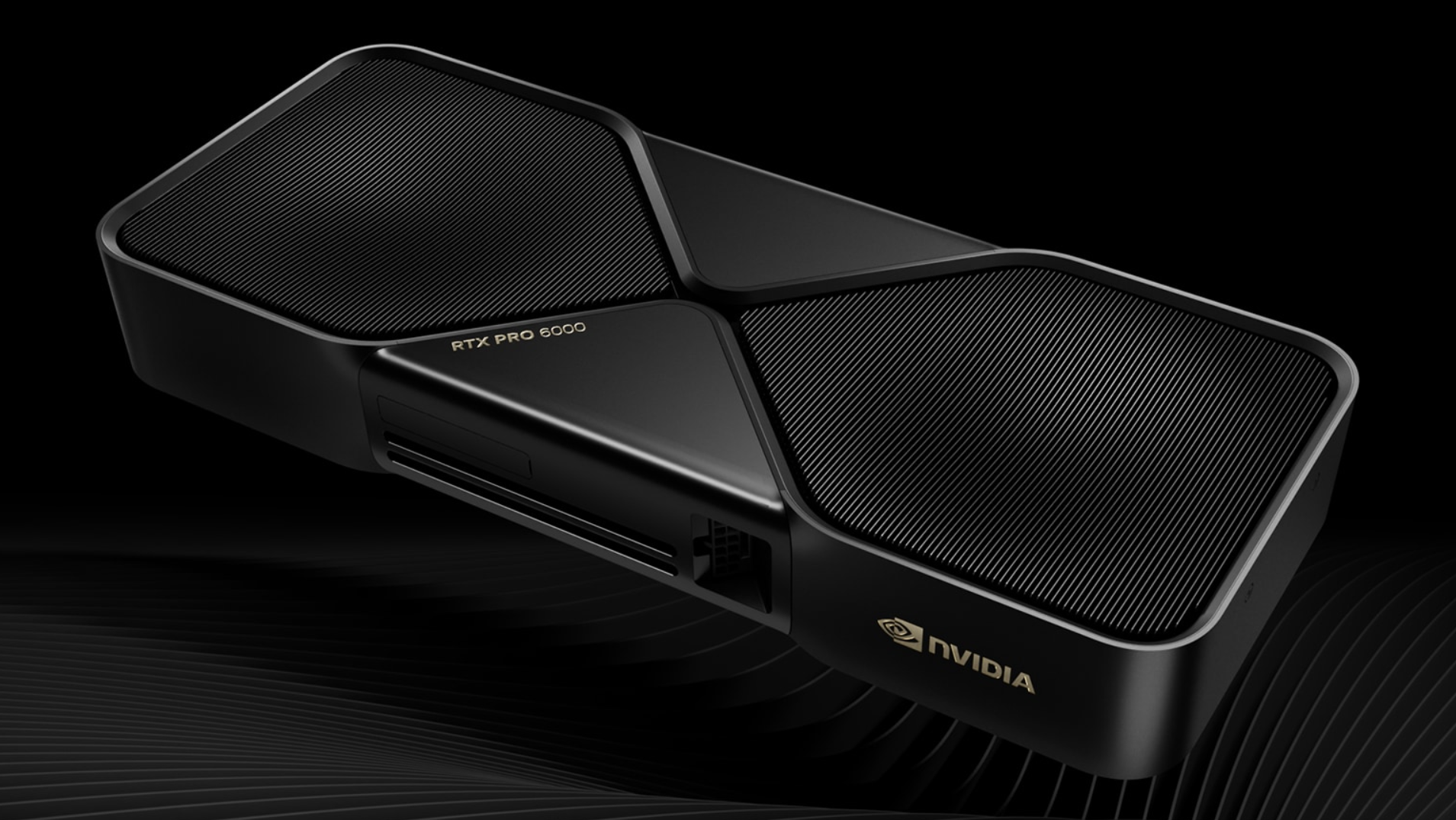
The RTX 5080’s price—$1,850 for the ASUS ROG Astral edition, compared to the $2,000 Founders Edition—reflects its positioning as a premium product. The lower cost of the ROG variant is counterintuitive given its additional features, such as custom cooling and RGB lighting, which typically add value rather than subtract it. This discrepancy suggests that market forces, perhaps driven by supply chain adjustments or competitive pricing strategies, played a role in its affordability during this period.

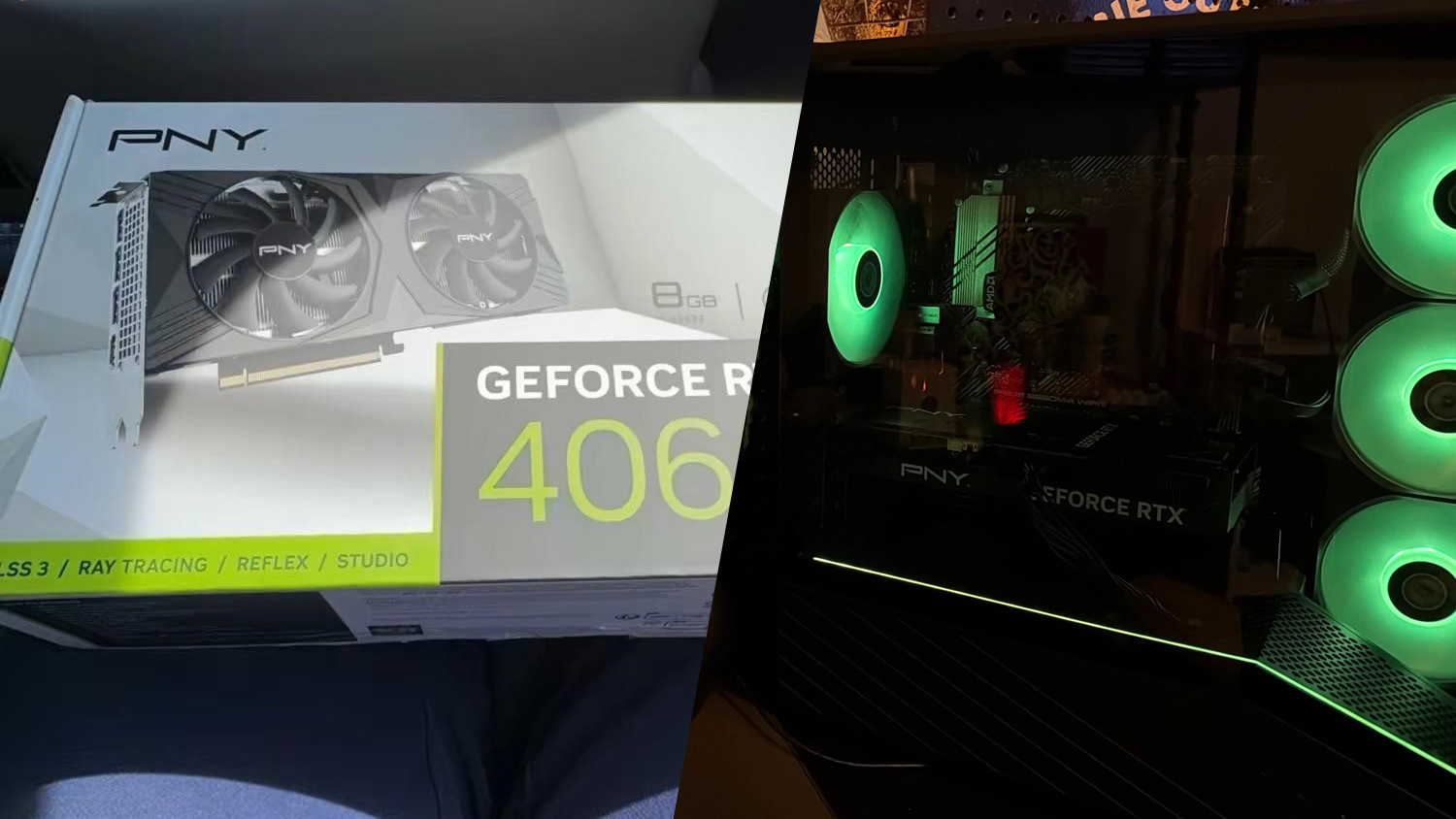
For the user who acquired the card without cost, the experience was both surreal and practical. The GPU, designed for enthusiasts and professionals, found itself in a system likely built around more budget-conscious components—a mismatch that could have led to bottlenecks or underutilization. Yet, the incident also highlighted how high-end hardware, often priced out of reach for most consumers, can sometimes become accessible through unforeseen circumstances. The story serves as a microcosm of broader trends in retail, where automation and human error collide, leaving behind both lost inventory and unexpected gains.
The RTX 5080’s launch, like many high-end GPUs, was met with a mix of excitement and skepticism. Its performance in benchmarks—where it often outperforms competitors by significant margins—reinforces its place at the top of the performance ladder. However, its $1,850 price tag is not just a financial barrier; it’s also a signal that this hardware is built for users who demand the absolute best, whether they’re pushing the limits of gaming or tackling professional workloads like 3D rendering or AI acceleration.
For most consumers, such a GPU would be an aspirational purchase, reserved for those willing to invest in premium performance. The fact that one user acquired it without cost adds another layer to its narrative—one that blurs the line between luck and system failure. Whether this was a one-time anomaly or a symptom of deeper issues in retail logistics remains unclear, but it underscores the unpredictability that can arise when technology meets commerce.
The RTX 5080’s journey from Amazon’s warehouse to its user’s hands is a reminder that even in an era of hyper-automation, human oversight still plays a critical role. The card’s features—DDR5 memory, PCIe 5.0 support, and advanced cooling—are not just technical specifications but symbols of a broader shift toward more efficient and powerful hardware. For those who can afford it, the RTX 5080 represents the pinnacle of current GPU technology, while for others, it remains an unattainable dream—one that occasionally becomes reality through the quirks of digital retail.