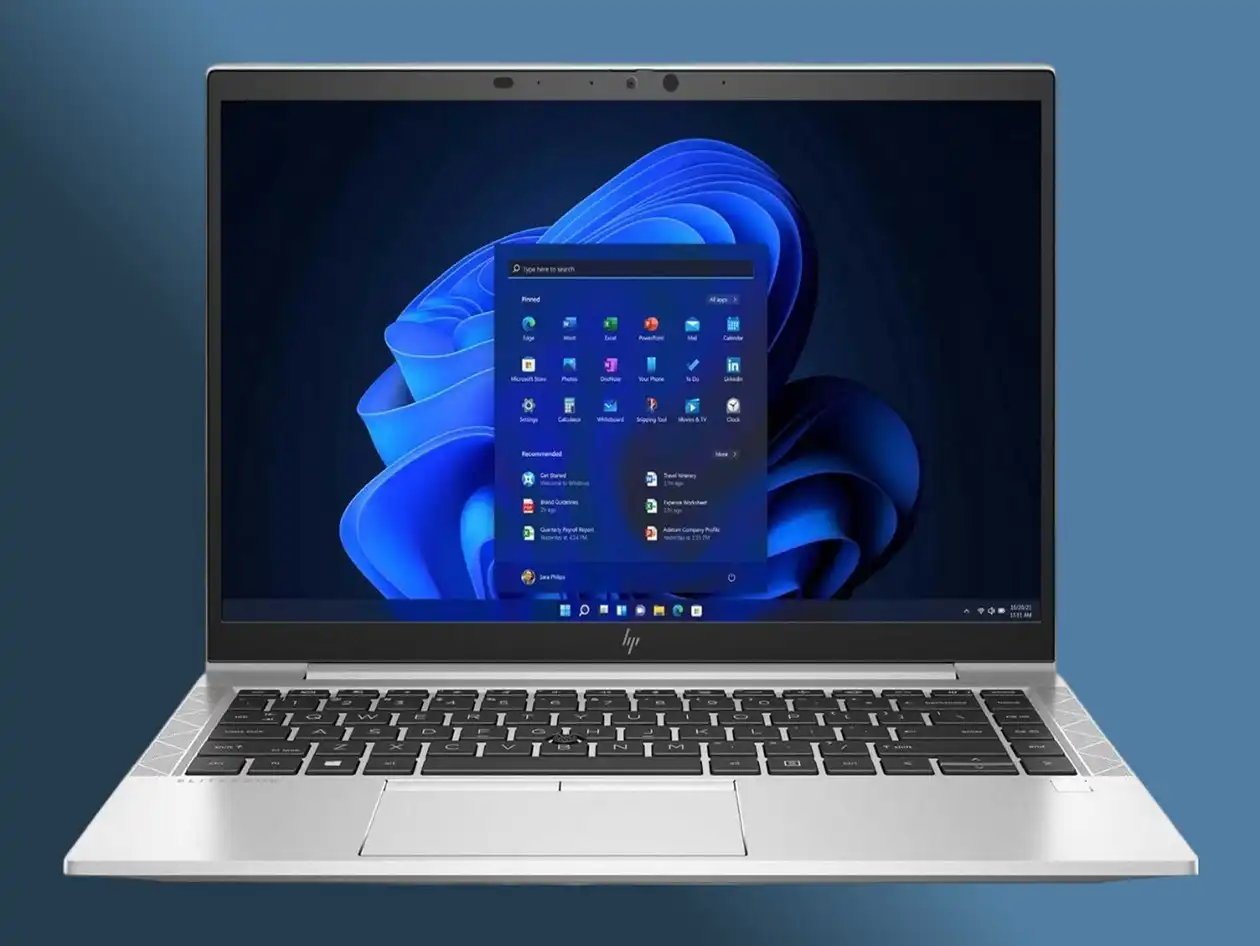
The Acer Aspire 14 AI laptop is reshaping expectations for budget-friendly computing by packing a high-performance specification into an affordable chassis. With 16GB of DDR5 RAM, a 1TB NVMe SSD, and an Intel Core Ultra 7 155H processor, the device bridges the gap between entry-level and premium tiers without sacrificing efficiency or power.
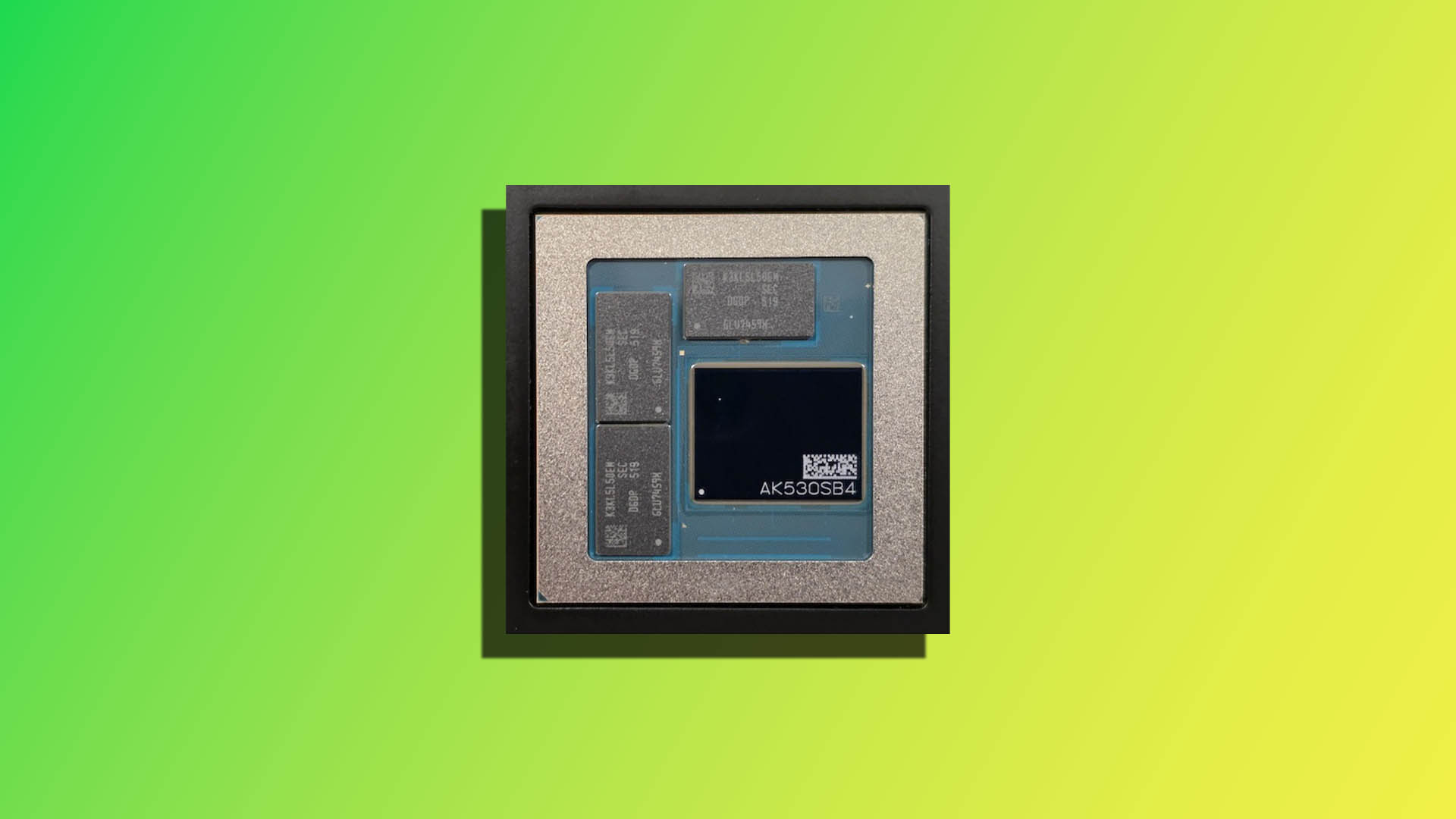
This configuration is notable for its balance of components. The 155H processor, clocked at up to 4.4GHz with 12 cores (8P + 4E), delivers sustained performance for AI workloads while maintaining thermal control. Pairing it with 16GB of DDR5 RAM ensures smooth multitasking and future-proofing, even under heavy computational loads. The inclusion of a 1TB NVMe SSD further emphasizes Acer’s focus on speed and storage capacity, addressing one of the most common pain points in budget laptops.
The Aspire 14 AI’s design reflects a pragmatic approach to thermal management. Despite its compact form factor (14-inch display, ~1.56kg), the laptop incorporates dual fans and a vapor chamber to mitigate heat buildup during prolonged use. This is a critical consideration for creators and developers who rely on sustained performance without thermal throttling.

Key Considerations
- Performance vs. Portability: The 155H processor pushes the boundaries of what’s possible in this price segment, but its efficiency remains a key differentiator. Users should weigh the tradeoff between raw power and battery life, especially for mobile workflows.
- Storage Flexibility: While the 1TB SSD is generous for most users, those with specialized needs (e.g., large media libraries or complex AI models) may still find it limiting. Expansion options are minimal, so storage planning is essential.
- Thermal Behavior: The dual-fan system and vapor chamber are designed to handle sustained workloads, but real-world performance under heavy loads will be a critical test for Acer’s engineering choices.
The Aspire 14 AI’s pricing—positioned at the lower end of the premium laptop spectrum—makes it an outlier in the market. Typically, such specifications are reserved for devices costing $800 or more. This shift in cost-performance dynamics could pressure competitors to rethink their own pricing strategies, particularly in the creator and AI workload segments.
Looking ahead, the Aspire 14 AI’s success will hinge on its ability to deliver consistent performance without compromising on thermal management or battery life. If it meets these benchmarks, it could set a new standard for budget laptops, proving that high-end specifications don’t always require a premium price tag.