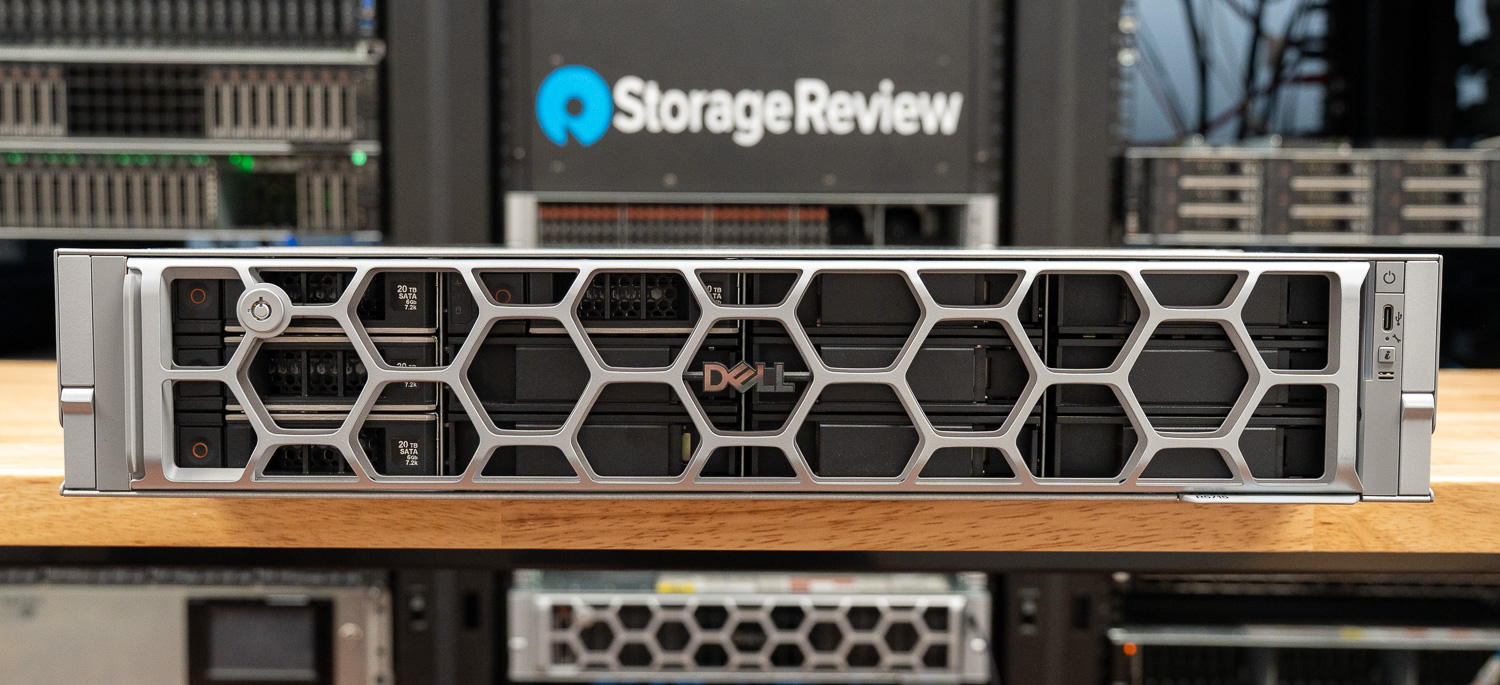
The Dell PowerEdge R5715 is a 2U server built around a single-socket AMD EPYC processor, tailored for environments where storage throughput is paramount. It offers a compelling blend of efficiency and density but comes with tradeoffs that warrant careful consideration for those looking to maximize performance or future-proof their infrastructure.
- The R5715 supports up to 2TB of DDR4 RDIMM memory, enabling high-bandwidth workloads without the need for complex configurations.
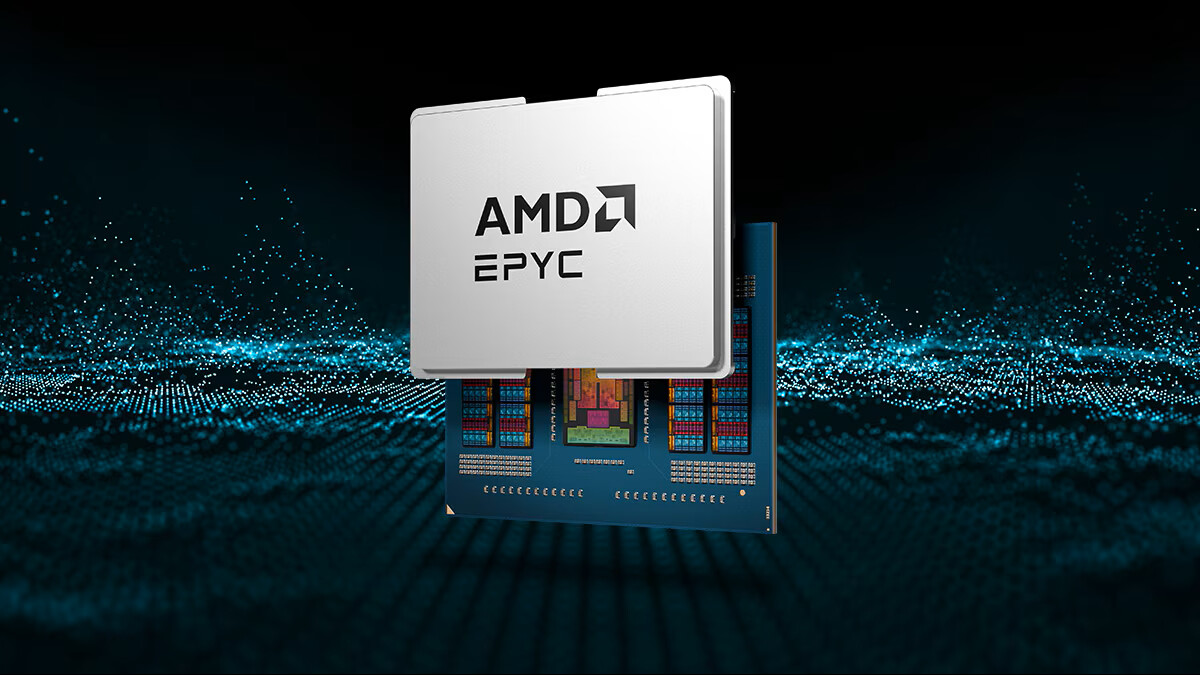
- A single AMD EPYC processor (up to 32 cores and 64 threads) balances compute needs with power efficiency in a 2U form factor.
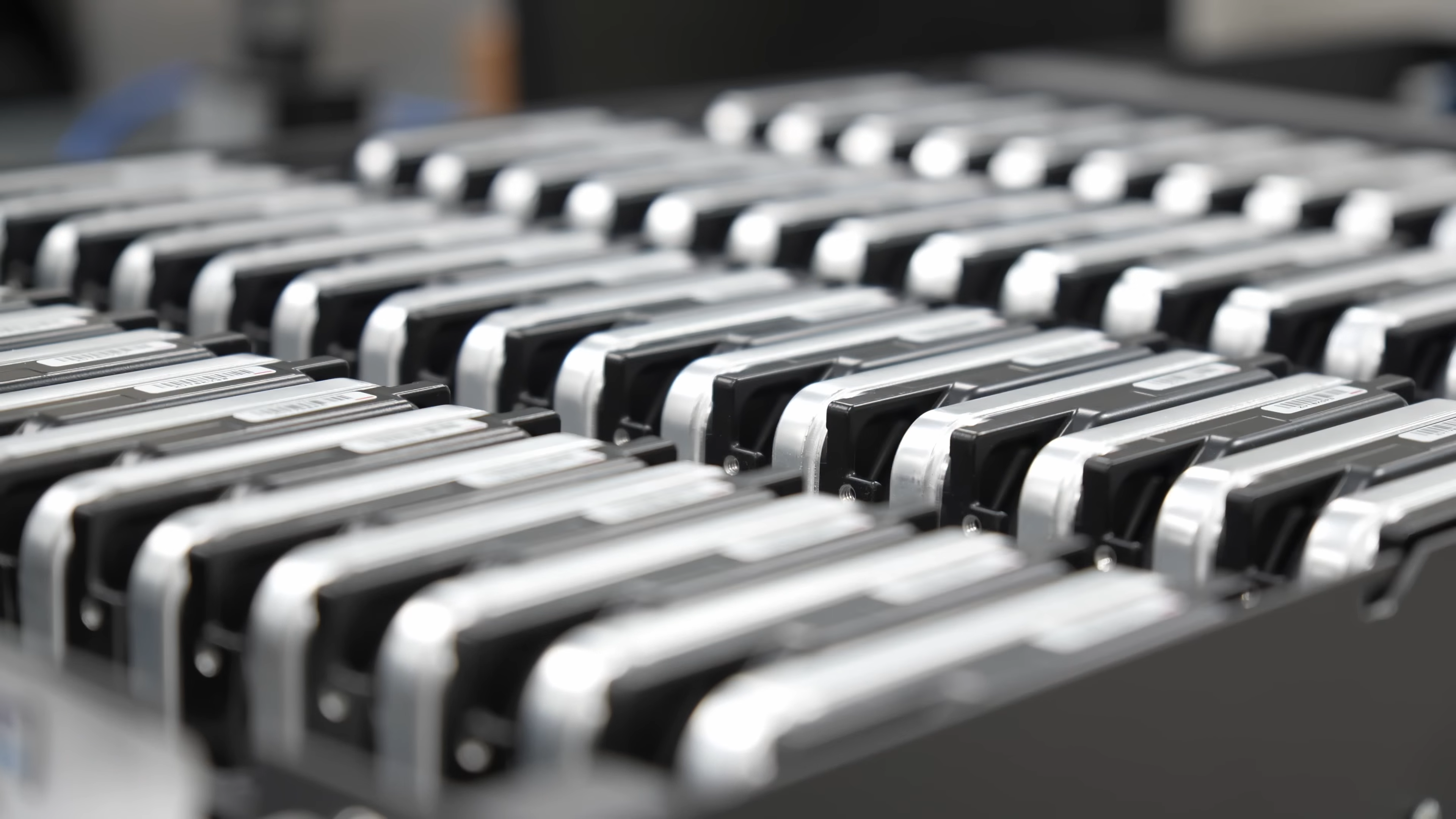
- Storage capacity is robust, with up to 18 small-form-factor drives or 12 large-form-factor drives, depending on the configuration.
- The server includes two 10Gbps Ethernet ports and optional 40Gbps connectivity for network-intensive applications.
- Dell's iDRAC9 enterprise management suite is included, providing remote monitoring and control capabilities.
The R5715’s strength lies in its ability to pack significant storage capacity into a compact footprint. Its support for up to 2TB of DDR4 RDIMM memory ensures that even demanding workloads can operate efficiently without requiring multi-socket configurations. This makes it an attractive option for environments where space is at a premium, such as data centers or enterprise storage arrays.
However, the single-socket design inherently limits scalability. While the AMD EPYC processor (up to 32 cores and 64 threads) delivers strong performance for its class, users with more intensive compute requirements may find themselves constrained by the platform’s architecture. Additionally, the lack of support for larger memory configurations—such as those found in dual-socket systems—could be a drawback for workloads that benefit from higher memory bandwidth.
Another consideration is the server’s power efficiency. The R5715 is designed to operate within tight thermal constraints, which can be advantageous in densely populated data centers. However, this efficiency comes at the cost of potential performance throttling under sustained loads, a factor that could impact long-term reliability or throughput in high-demand scenarios.
For organizations prioritizing storage density and efficiency over raw compute power, the R5715 is a pragmatic choice. Its 2U form factor allows for higher rack utilization, while its support for advanced storage technologies—such as NVMe SSDs—ensures that it remains relevant in modern data environments. Yet, those with plans to scale their workloads aggressively may need to weigh the long-term costs of upgrading to a more flexible platform.