AIDA64 has always been a staple for power users who demand precise hardware monitoring and benchmarking tools. Now, with version 8.30, it steps further into the future by supporting Intel's Nova Lake CPUs and AMD's upcoming Zen 6 APUs—processors that promise to redefine performance in both desktop and mobile platforms.
For Intel's side, Nova Lake brings a fresh architecture designed for efficiency without sacrificing power. It's not just about raw clock speeds; it's about how these cores integrate with newer memory standards like DDR5 and LPDDR5X, making them ideal for laptops and ultra-thin devices where thermal output matters as much as performance. AIDA64 now tracks their power draw, temperature, and even their unique instruction sets, giving users a granular view of how these chips behave under load.
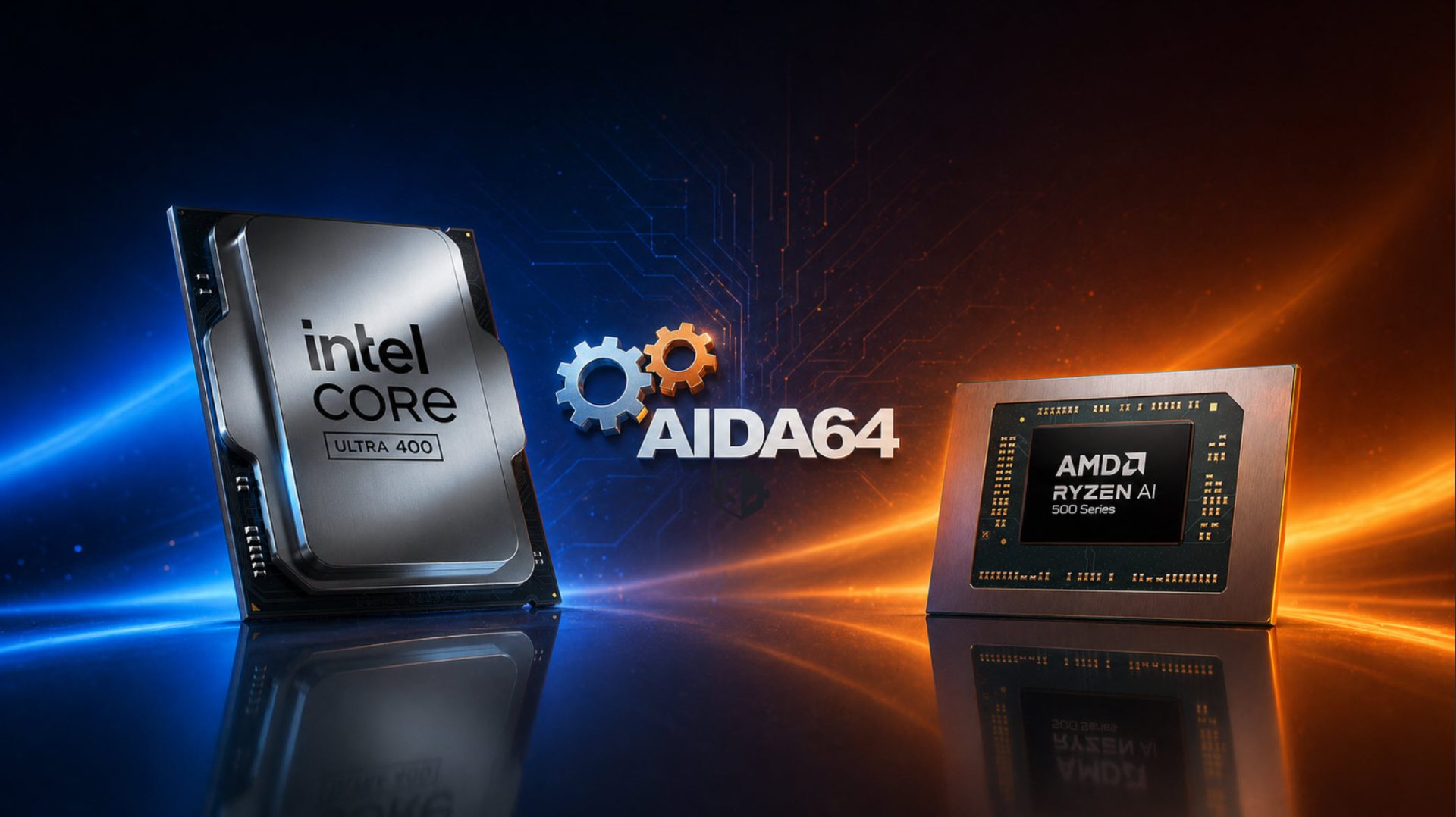
On the AMD front, Zen 6 is expected to arrive in 2027, but AIDA64 is already preparing for it. The new APUs will likely blend CPU and GPU cores more tightly than before, possibly even merging some execution units to improve efficiency. AIDA64's support here isn't just about recognizing the silicon—it's about providing stability tests that can push these chips to their limits without crashing the system, which is crucial for overclockers and thermal validation teams.
But there's a tradeoff. Supporting bleeding-edge hardware means users on older systems won't see as much immediate benefit from this update. AIDA64 remains a comprehensive tool, but its focus has shifted toward preparing for what's coming rather than refining support for what's already in most desktops and laptops today.
For power users, the key takeaway is clear: if you're building or testing systems with Nova Lake or future Zen 6 APUs, AIDA64 is now your go-to tool for monitoring, benchmarking, and stress-testing. For everyone else, this update reinforces its role as a forward-looking platform—one that's already looking past today's hardware to the next generation.