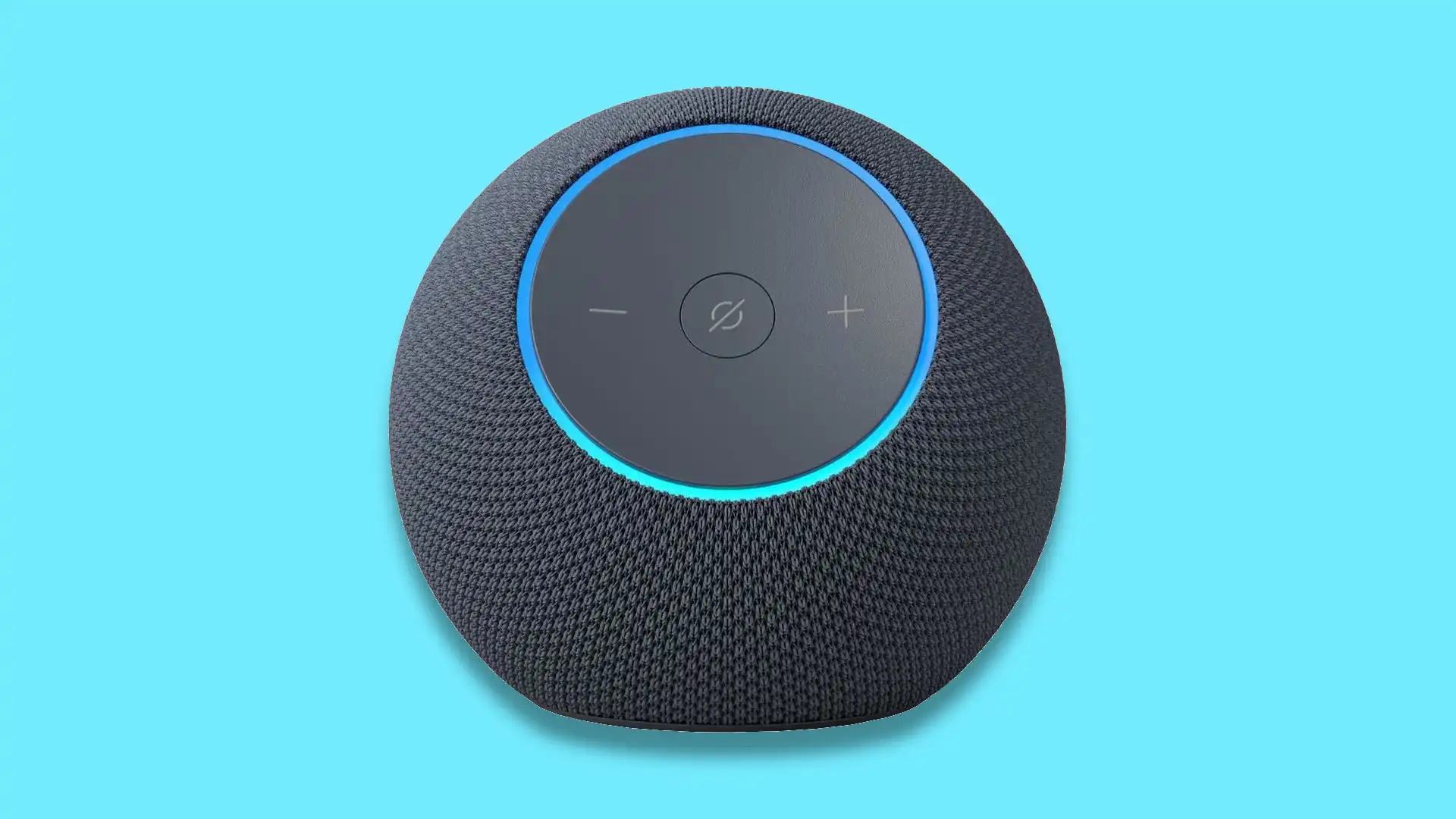
Amazon’s decision to slash the price of its Echo Dot Max by 25%—dropping it from $104 to $79—is more than just a discount. It marks a strategic pivot in how Amazon positions its voice AI platform in the smart home market, one that could reshape competition and user expectations at a critical inflection point for connected home technology.
Previously, the Echo Dot Max stood out as a premium offering, packing features like built-in cameras and far-field microphones that were typically reserved for higher-end devices. Now, its affordability puts it in direct contention with mid-tier competitors like Google’s Nest Hub, though Amazon’s advantage remains its vast ecosystem of third-party skills. The discount arrives as tech giants increasingly leverage on-device AI processing to differentiate their products, a trend that could accelerate if developers rush to build for the Max’s enhanced hardware.
Industry Implications: A Budget-Friendly Push with Cautious Adoption
The price cut reflects Amazon’s effort to broaden Alexa’s reach beyond early adopters, targeting consumers who want advanced voice control without the cost of a full smart display. However, this shift introduces risks for users with older Echo devices, which may struggle to keep up with new features.
- Older Echo Dot models lack the hardware needed to support newer Alexa skills that rely on visual processing or spatial audio, potentially leaving them incompatible with future updates.
- Users upgrading incrementally may find their smart home routines disrupted if they don’t replace all components at once, as some advanced skills now require the full suite of features available in the Max.
The discount also comes at a time when AI-driven home automation is becoming a standard expectation rather than a niche luxury. While Google and Apple have refined their voice assistants with on-device processing, Amazon’s strength lies in its skill library—a factor that could make the Echo Dot Max the default choice for those prioritizing functionality over price.
Who Stands to Gain—and Who Might Lose?
For users already deep in Alexa’s ecosystem, the upgrade is clear: the Echo Dot Max is the only current Amazon device capable of running advanced visual skills, such as real-time object detection or augmented reality overlays for shopping. Those relying on these features may find waiting for another discount risky, as future updates could expand this functionality even further.
Casual users, however, might still opt for the Echo Dot (4th Gen), which remains sufficient for basic tasks like setting timers or playing music. The 4th Gen supports core voice commands and integrates with smart home devices but lacks the camera and far-field processing that define the Max as a true AI hub.
The bigger question is whether this discount will trigger a wave of upgrades—or if Amazon will continue to segment its user base, offering budget-friendly Dots alongside premium displays. The answer may depend on how quickly developers adopt new skills that require the Max’s hardware, potentially leaving older devices behind in both performance and compatibility.
A Signal for the Future of Smart Homes
The Echo Dot Max discount isn’t just about price; it’s a signal that Amazon is betting on voice AI becoming the standard way to control smart homes. For buyers, the choice comes down to whether they need the full power of today’s Alexa or are willing to wait and see what comes next. The industry will be watching closely to see if this move spurs wider adoption—or if it exposes deeper fragmentation in how smart home devices evolve.
One thing is certain: the race for AI-driven home automation is no longer just about hardware. It’s about who can build the most compelling ecosystem, and Amazon has staked its claim with a device that balances affordability and advanced features. Whether others will follow remains to be seen.