Cloud gaming’s ecosystem is tightening. Amazon Luna will no longer support third-party game stores, purchases from those stores, or third-party subscriptions starting October 15. The move eliminates a key route for creators to distribute games on the service, forcing them to rely solely on Amazon’s own storefront.
This isn’t an overnight change, but it follows a pattern seen across platforms—where open ecosystems shrink in favor of tighter control. For creators, the shift means rethinking distribution strategies, while players face fewer choices at launch. The decision also raises questions about how long other cloud services will sustain third-party integrations before consolidation takes hold.
Luna’s service has long been a niche player in the cloud gaming space, competing with established names like GeForce Now and Xbox Cloud Gaming. Its reliance on third-party stores was one of its few differentiators, allowing developers to list games without going through Amazon’s own curation process. That window is now closing.
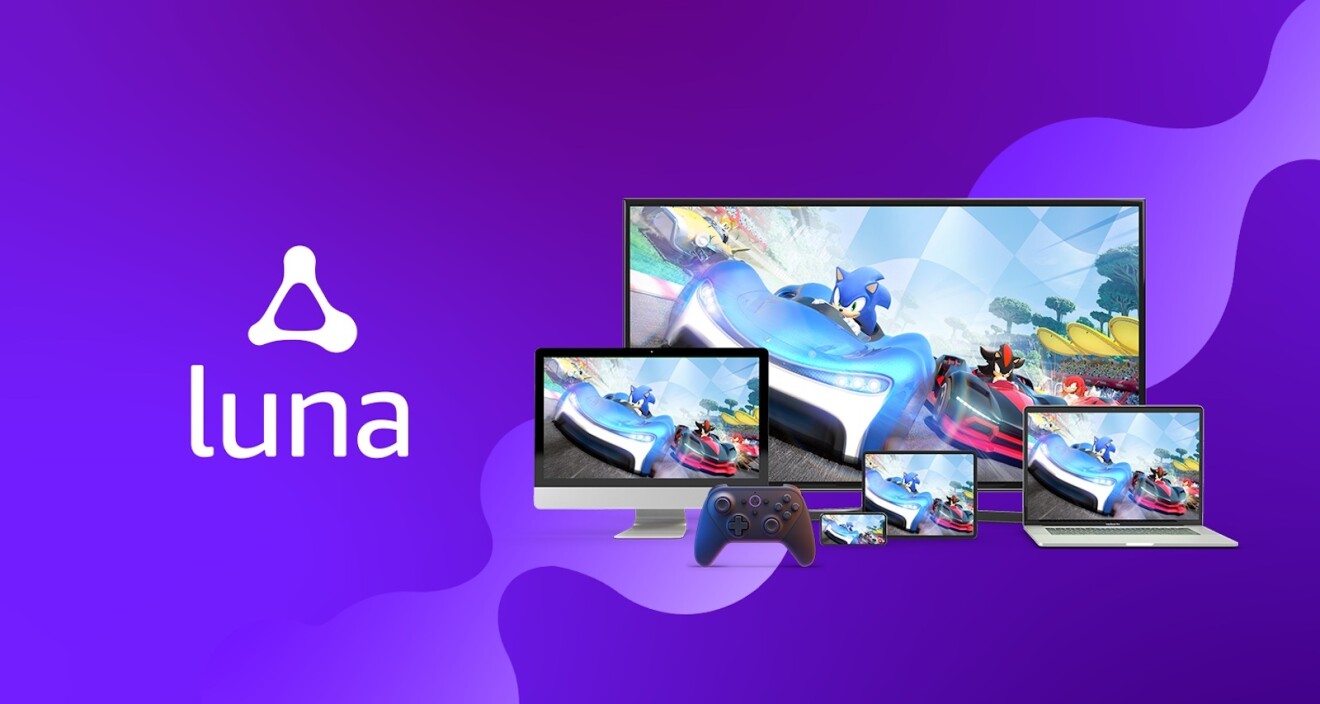
- Third-party game store support ends October 15
- Purchases from those stores will no longer be possible
- Third-party subscription services are also removed
The implications for creators are immediate. Games already listed on third-party stores must be migrated to Amazon’s store by the deadline, or they risk disappearing from Luna entirely. For players, this means fewer options at launch, but it also simplifies the service—no more juggling multiple storefronts within a single platform.
This isn’t the first time a cloud gaming service has tightened its ecosystem. Previous generations of gaming platforms often allowed third-party stores to coexist, but as competition heats up, consolidation becomes inevitable. The question now is whether Luna’s shift will accelerate similar moves elsewhere—or if other services will hold onto their open ecosystems longer.
For creators, the practical takeaway is clear: diversify distribution channels before deadlines loom. Platform lock-in isn’t new, but it’s becoming more aggressive. Those who built on third-party stores in Luna’s early days now face a forced migration, a reminder that cloud gaming’s future may favor fewer, larger players.