In the heart of Berlin, a content creator installs a 32GB DDR4 kit—2666MHz CL16—into their system without hesitation. There’s no need to double-check socket compatibility or fret over timing settings; this is how memory upgrades work today in Germany.
Yet this simplicity masks a deeper transformation. Market data shows that DDR4 modules now represent more than 80% of all memory sales in the country, while AMD’s AM4 socket has dropped below 10%, its dominance eroding steadily over the past two years. This isn’t just about memory—it’s a sign of how platform lifecycles are accelerating and reshaping hardware choices.
The End of AM4’s Run
AM4’s decline wasn’t inevitable, but it was predictable. Introduced in 2017, the socket was designed as a long-term solution, supporting both Ryzen and Athlon processors while allowing builders to upgrade without switching platforms. By 2021, that strategy began to unravel as DDR5 entered the market, even if its high cost limited widespread adoption.
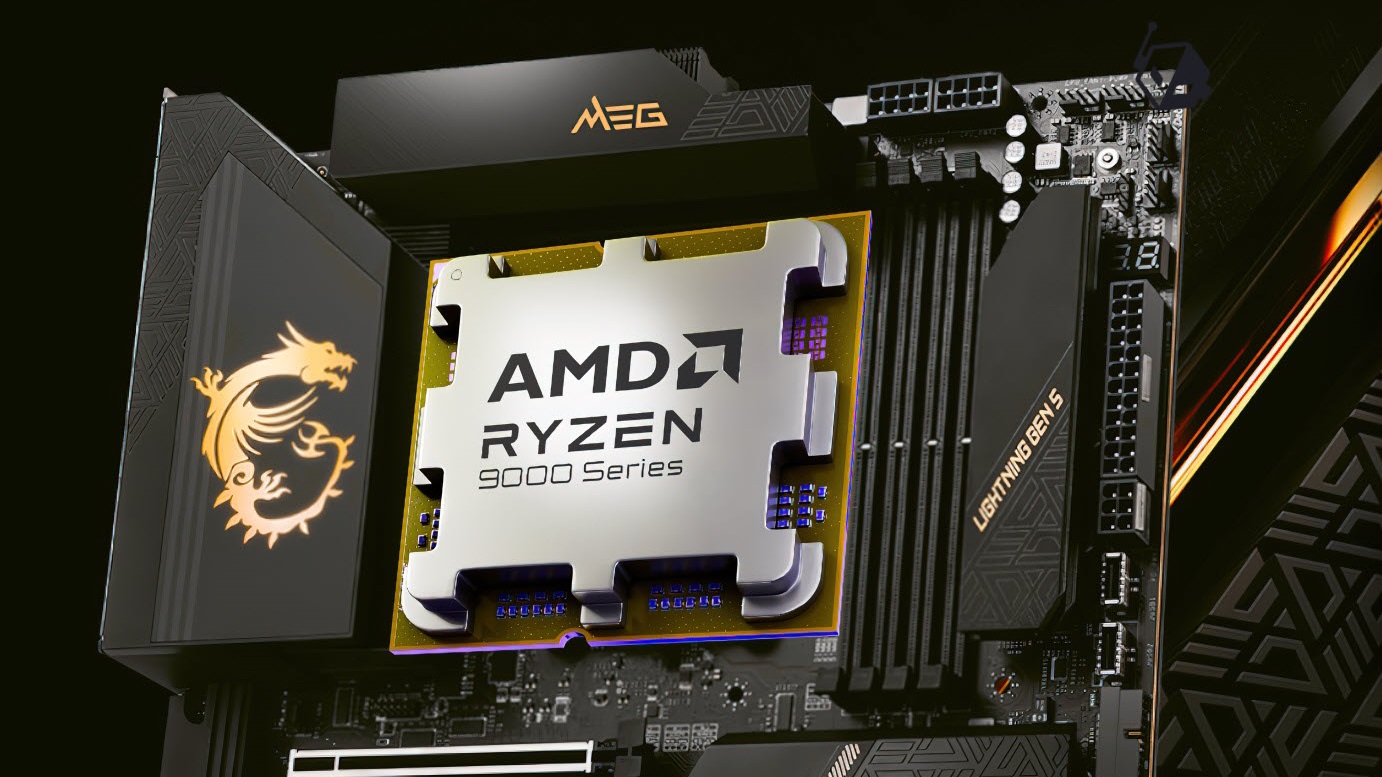
Simultaneously, AMD’s Ryzen 5000 series proved that high-performance builds no longer required waiting for a new socket to access faster memory. DDR4 became the standard for both new systems and upgrades, making AM4 increasingly obsolete. By late 2022, its share had already plummeted from 25% to under 10%, with no signs of recovery.
Why Germany Leads the Shift
- DDR4 adoption in Germany now stands at 81%, up from just 65% two years ago.
- AM4 usage has fallen below 10%, down from nearly a quarter of the market in mid-2022.
- DDR5 remains a small but growing segment, holding around 3–4% of sales.
The region’s early embrace of DDR4 suggests a strong preference for performance over cost, driven in part by gaming and content creation communities. This trend has outpaced other markets, indicating a shift toward newer standards before they become mainstream elsewhere.
What Lies Ahead
The memory market isn’t just changing—it’s contracting. AMD’s next-generation sockets, like AM5, are already on the horizon, but DDR4 will likely remain dominant in Germany for at least another 12–18 months before DDR5 takes over completely.
For now, the takeaway is clear: if you’re building or upgrading today, DDR4 is the practical choice. AM4’s relevance is fading, and the industry has moved on. The question isn’t whether DDR5 will replace it, but how quickly the transition will happen—and what that means for builders still clinging to legacy systems.
The shift from AM4 to DDR4 isn’t just about memory; it’s a microcosm of how platform lifecycles are tightening across the industry. For consumers, that means fewer long-term compatibility concerns but also less flexibility when choosing hardware. The new normal is here, and DDR4 is leading the charge.