Amazon has announced the shutdown of King of Meat, its ambitious co-op party game developed by Glowmade, just six months after launch. The decision marks another setback for Amazon’s foray into game publishing, following a series of high-profile missteps and unmet expectations. Players will have until April 9, 2026, to access the game, after which servers will close permanently. Those who purchased the title will receive a full refund in the coming weeks.
The game’s downfall is particularly striking given Amazon’s aggressive marketing push. Despite a peak concurrent player count of just 320 on Steam—far below the reported internal target of 100,000—the company invested heavily in promotional efforts, including a $250,000 prize pool during a Mr. Beast special and a prime-time reveal at Gamescom 2024. The disparity between ambition and execution raises questions about Amazon’s ability to accurately gauge audience interest in niche genres.
The failure of King of Meat* highlights several key challenges
- Market Misalignment: The game’s co-op mechanics and party-focused design struggled to attract sustained player engagement, leaving it overshadowed by established titles in the genre.
- Overpromising: Amazon’s internal projections—including expectations of massive concurrent player counts—did not align with real-world performance, suggesting a disconnect between development goals and market demand.
- Strategic Pivot: Amazon has already scaled back its game publishing ambitions, shifting focus to its Luna cloud gaming platform and AI-driven projects like Courtroom Chaos Featuring Snoop Dogg. The shutdown of King of Meat appears to be part of this broader realignment.
A Rare Silver Lining
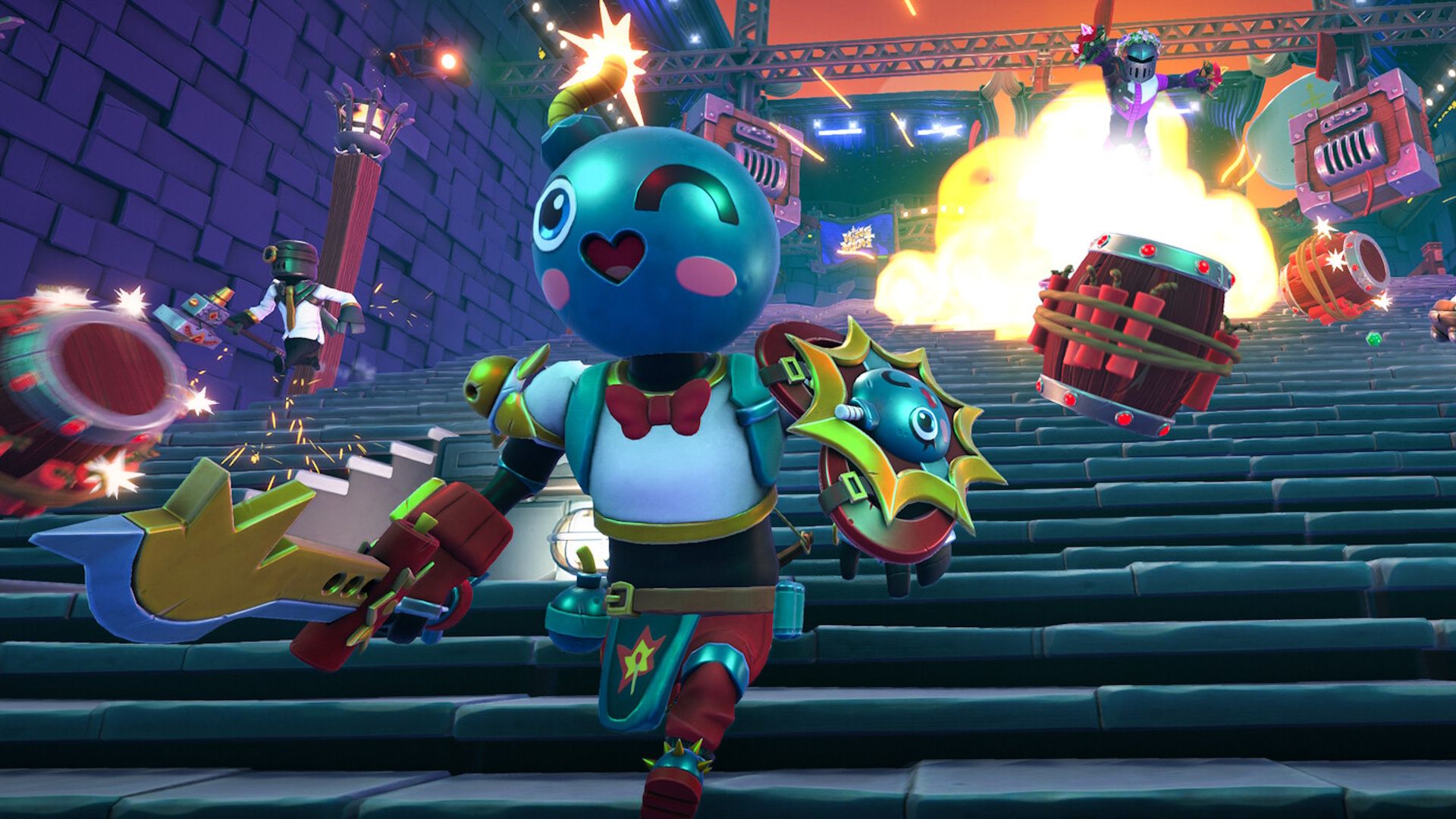
Despite the game’s commercial failure, Amazon has taken a relatively player-friendly approach by offering full refunds. This contrasts with some other high-profile gaming shutdowns, where players were left without recourse. However, the refunds do little to address the broader implications of Amazon’s gaming strategy—or the lack of transparency around its decision-making process.
The shutdown of King of Meat underscores a recurring theme in Amazon’s gaming ventures: a pattern of high-profile announcements followed by underwhelming results. While the company has made strides in cloud gaming and AI, its attempts to compete in traditional game publishing have largely fallen short. For players, the takeaway is clear: even well-funded projects can collapse if they fail to resonate with audiences.
For now, King of Meat* will live on as a cautionary tale—a game that vanished almost as quickly as it arrived, leaving behind a trail of unfulfilled expectations and a refunded customer base.