Xbox Game Studios is facing a critical juncture as internal negotiations intensify to prevent the shutdown of multiple high-profile development teams. The move comes amid heightened scrutiny over operational costs and strategic realignment within Microsoft’s gaming division.
The affected studios, including Compulsion, Double Fine, and Ninja Theory, are reportedly exploring buyout options or restructuring deals to ensure their survival. Industry sources suggest that Microsoft is evaluating the financial viability of these teams, which have contributed significantly to Xbox’s game library in recent years.
What Changed?
Previously, these studios operated under a unified structure with shared resources and development pipelines. However, recent shifts in Microsoft’s gaming strategy—particularly around cost optimization—have put pressure on smaller or less profitable teams. The negotiations now underway represent an effort to stabilize operations without resorting to immediate closures.
Key Details
- Compulsion: Known for its work on narrative-driven games, the studio has been a key player in Xbox’s first-party offerings but may face restructuring.
- Double Fine: A veteran of indie and mid-sized productions, including the Psychonauts series, is also in discussions to secure its future under Microsoft’s umbrella.
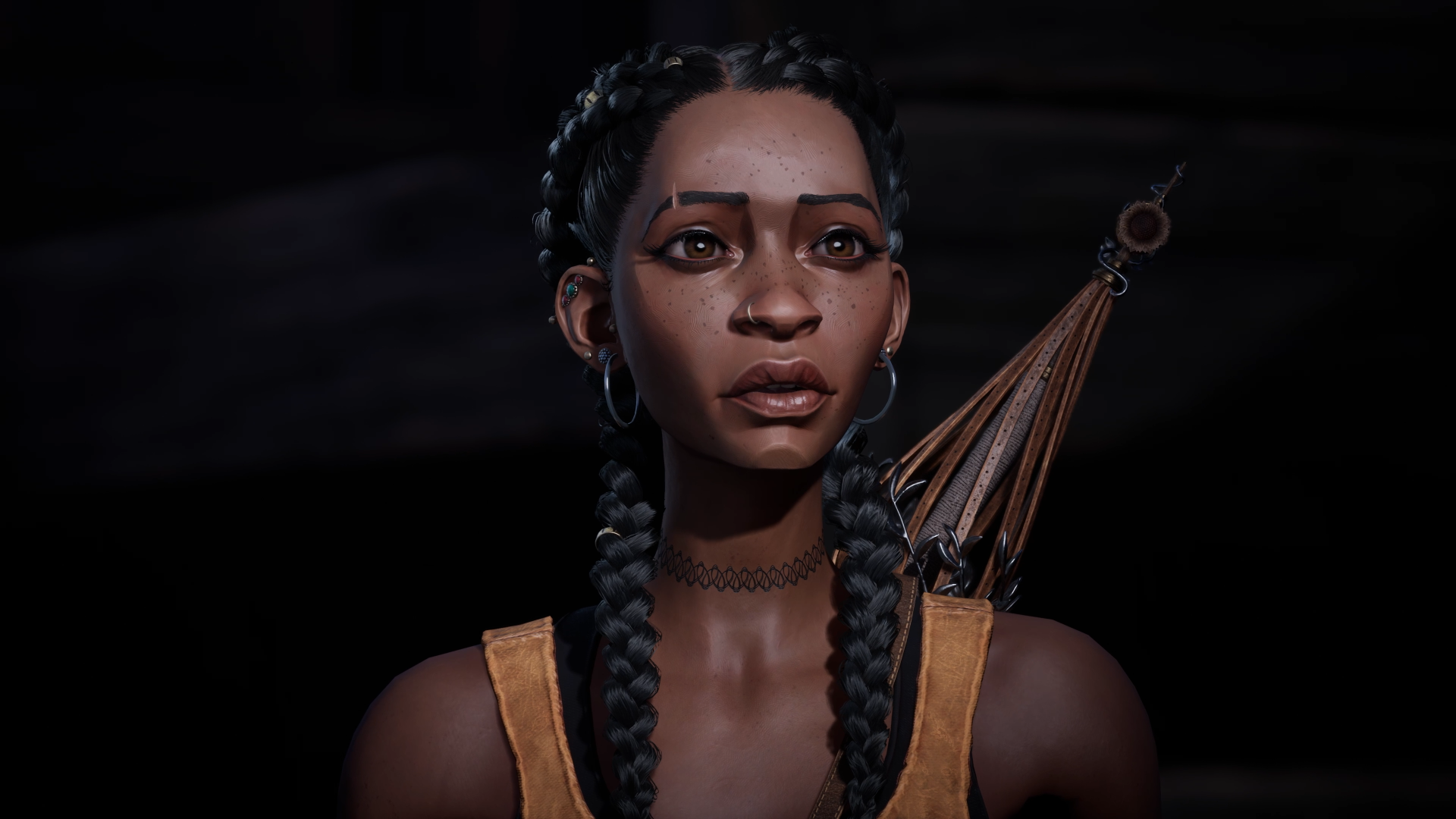
- Ninja Theory: Best known for titles like Hellblade: Senua’s Sacrifice, the studio has been a standout in Xbox’s portfolio but may need to adapt to new business models.
The potential buyouts or restructurings would likely involve external investors or partnerships, though no formal agreements have been announced. This approach aims to retain talent and IP while aligning with Microsoft’s broader goals for its gaming ecosystem.
What’s Next?
If successful, these negotiations could set a precedent for how smaller studios under Microsoft’s wing are managed in the future. However, the process is not without risks—balancing creative autonomy with financial sustainability remains a challenge. For power users and developers, the outcome will determine which teams continue to innovate on Xbox platforms.
The focus now shifts to whether these studios can secure stable footing or if further consolidations are inevitable. One thing is clear: the landscape of first-party game development is evolving rapidly, and the stakes for both Microsoft and its partners have never been higher.