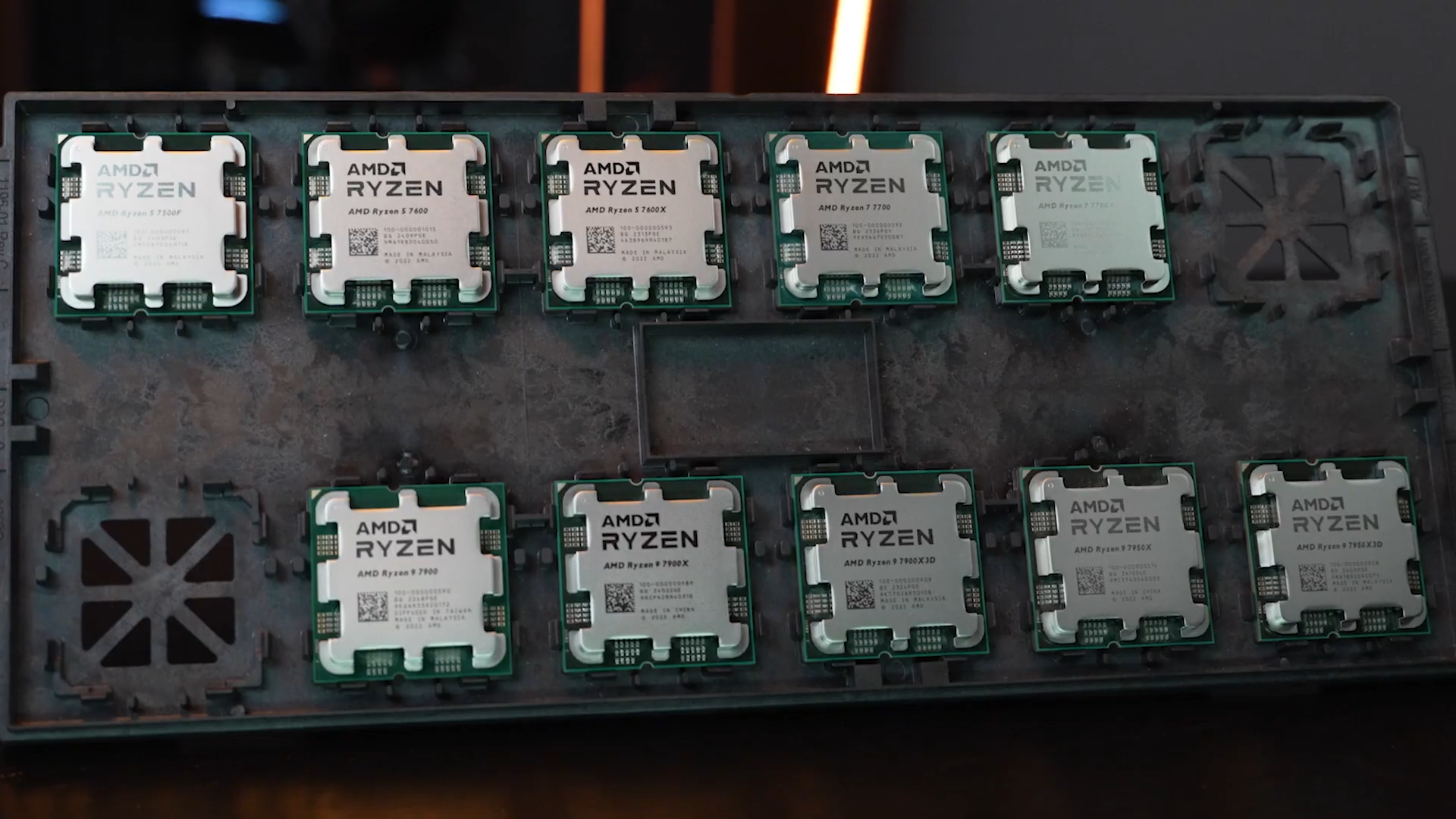
AMD’s new Zen 6 processors mark a significant evolution in chip design, but one that comes with a notable trade-off: the absence of an integrated GPU (iGPU). While these chips introduce a powerful neural processing unit (NPU) for AI workloads, users will now need discrete graphics for anything beyond basic media playback or light gaming. This change reflects AMD’s strategic focus on high-performance computing while leaving some to wonder about the long-term implications for budget builds and portable systems.
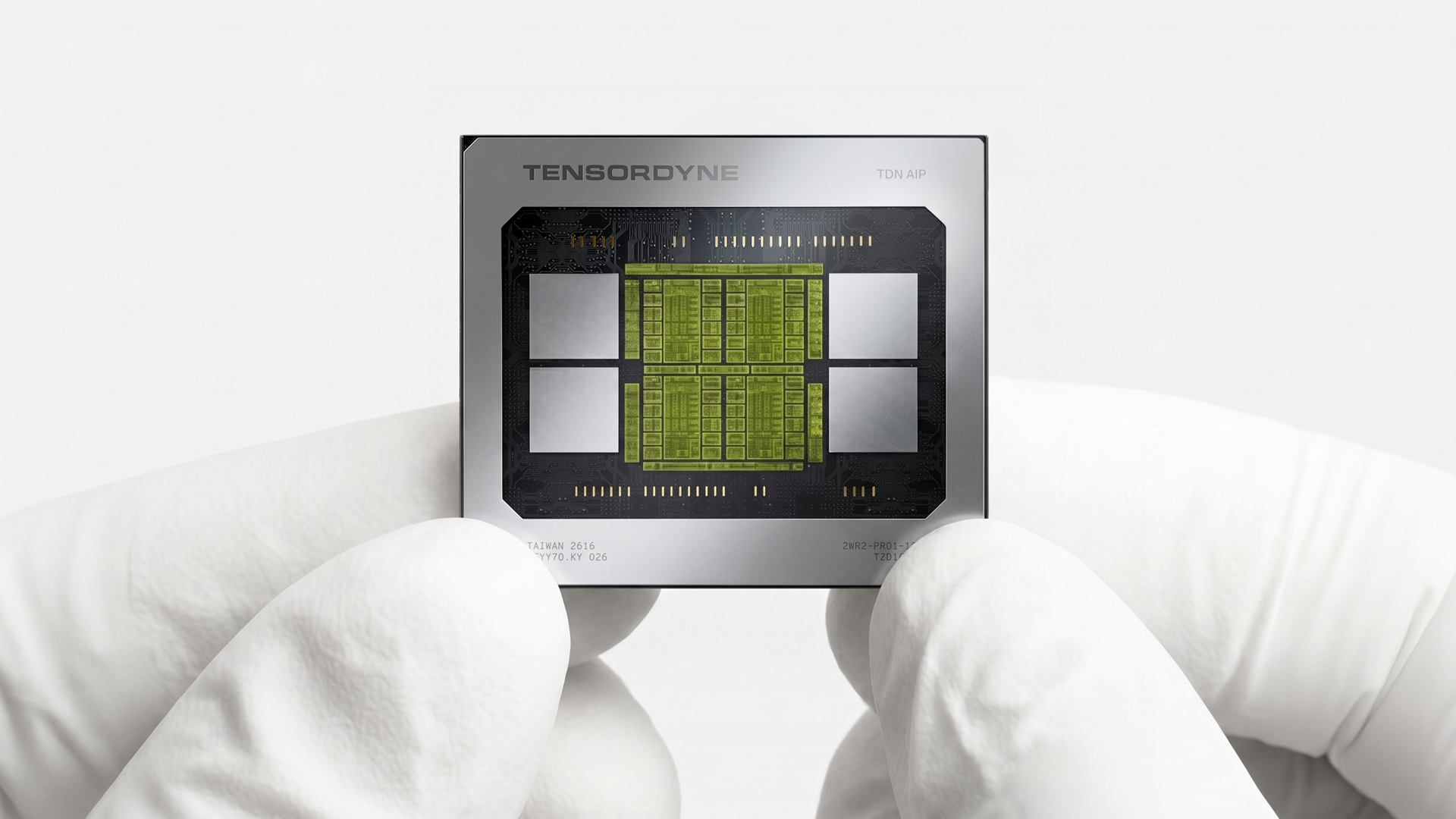
The NPU is a standout feature of Zen 6, designed to accelerate tasks like real-time image processing and machine learning. However, its inclusion means that systems built around these processors will no longer have the flexibility of an iGPU, which has been a staple in AMD’s roadmap for decades. The shift also aligns with the rise of CUDIMM-ready motherboards, suggesting a future where AI acceleration is more tightly integrated into system design—but at the cost of versatility.
Key Specifications
- Architecture: Zen 6 (Olympic Ridge)
- NPU: Integrated Neural Processing Unit for AI acceleration
- iGPU: Discontinued in favor of NPU
- Memory Support: DDR5-3200 (with overclocking support up to DDR5-4800)
- Platform: CUDIMM-ready motherboards for future flexibility
- Clock Speeds: Increased from Zen 4, with improvements in instruction per cycle (IPC) and efficiency
The move away from an iGPU is not without its challenges. For gamers and content creators, the requirement for a discrete GPU could complicate budget builds or small-form-factor systems where space is limited. However, for power users focused on raw performance, the NPU’s capabilities may more than compensate for this loss, especially as AI workloads become more prevalent.
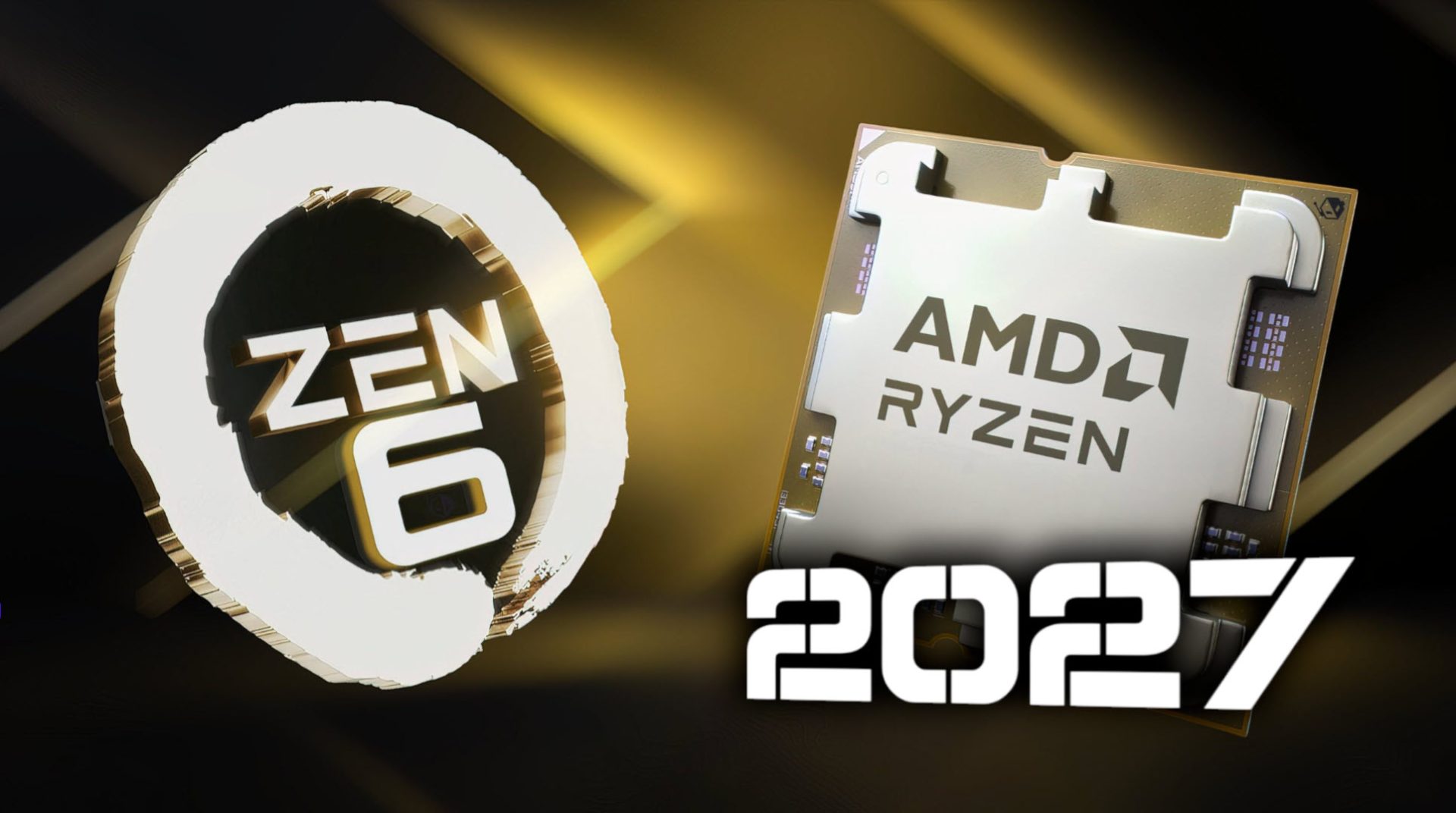
Performance improvements in Zen 6 are evident across the board. Higher clock speeds and efficiency gains over Zen 4 mean better thermals, which could translate to quieter operation under load—a welcome change for users running long sessions or engaging in demanding tasks like video editing. The architecture also supports faster memory speeds, with DDR5-3200 as standard and potential for overclocking to DDR5-4800, ensuring that these chips remain competitive in both single-threaded and multi-core workloads.
Thermal performance is another area where Zen 6 shows promise. AMD has claimed improvements over its predecessor, which could lead to more sustainable power consumption and cooler operation during intensive tasks. This, combined with the NPU’s AI acceleration, positions these chips as strong contenders for high-end desktops and workstations. However, the lack of an iGPU may push AMD toward a more segmented market approach, where entry-level systems rely on discrete graphics while high-end builds benefit from the full suite of features.
The future of Zen 6 will depend largely on how quickly CUDIMM ecosystems mature and whether the NPU’s capabilities can justify the loss of an iGPU. For now, these processors represent a step forward in performance, but their long-term success hinges on balancing innovation with practicality—something AMD has always strived to achieve, even if it means making difficult choices along the way.