Amazon’s latest Fire TV OS update doesn’t bring flashy new features to end users, but it does mark a subtle pivot in how the company manages its streaming ecosystem.
At first glance, version 7.5 appears to be business as usual: incremental tweaks to performance and stability, minor UI refinements that most viewers won’t notice. Yet beneath the surface, the update signals Amazon’s growing focus on internal services—streaming platforms it owns or partners with—while leaving third-party app developers in a more constrained space.
One of the most notable changes is how Amazon is curating content recommendations. The algorithm now leans heavier on titles from Prime Video, IMDb TV, and Amazon Music, pushing them to the top of search results and home screens. This isn’t just about promoting Amazon’s own products; it’s a strategic move to ensure users spend more time within its ecosystem, reducing reliance on external apps.
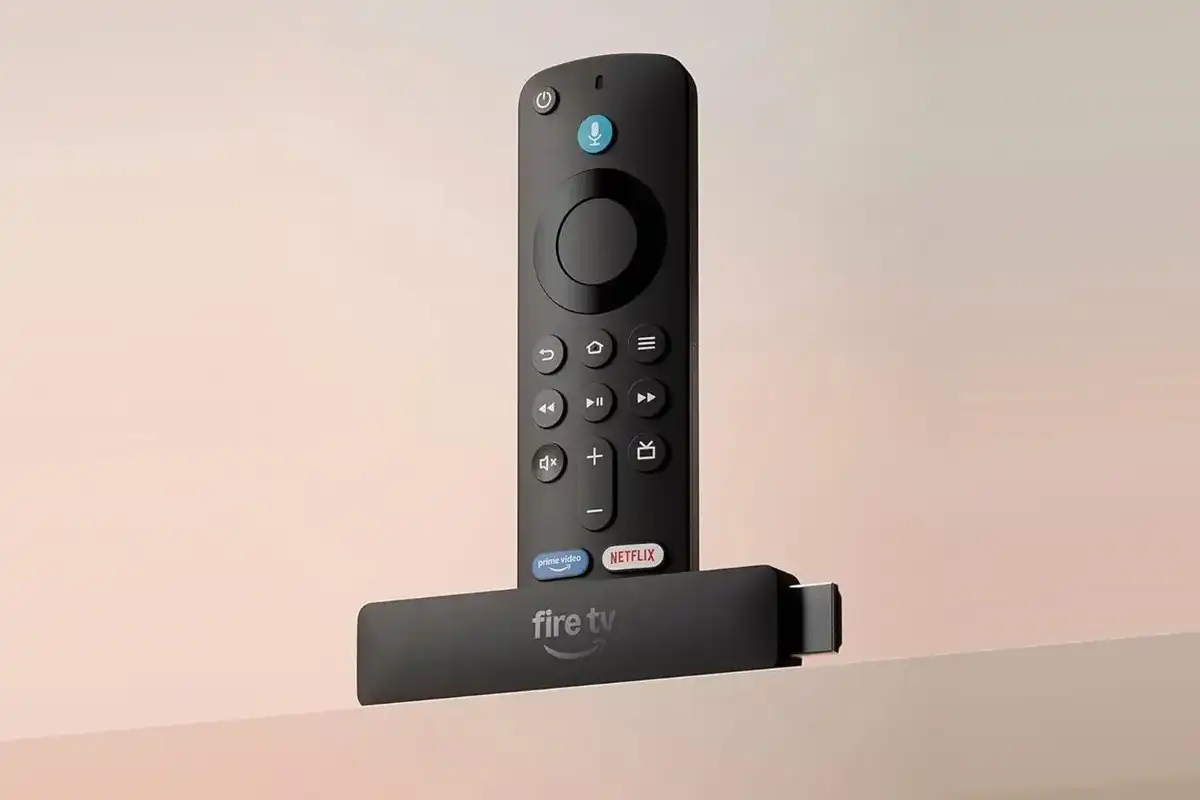
For developers outside Amazon’s orbit, the update brings limited benefits. New APIs for adaptive bitrate streaming are available, but they’re designed primarily for Amazon-backed services. Third-party apps can still access them, but with stricter limitations—such as lower priority in bandwidth allocation and fewer tools for optimizing performance.
This isn’t an outright exclusion, but it’s a clear shift in priorities. Amazon has always favored its own services, but the latest update makes that preference more visible—and more restrictive for competitors. Whether this will lead to broader changes down the line remains uncertain, but one thing is clear: Fire TV OS 7.5 is less about innovation and more about reinforcing control.
The update is now rolling out globally to all Fire TV devices, including sticks, cubes, and smart TVs with built-in Fire TV software. No specific timeline has been given for when users can expect it, but Amazon’s typical rollout cadence suggests most devices will see it within a few weeks.