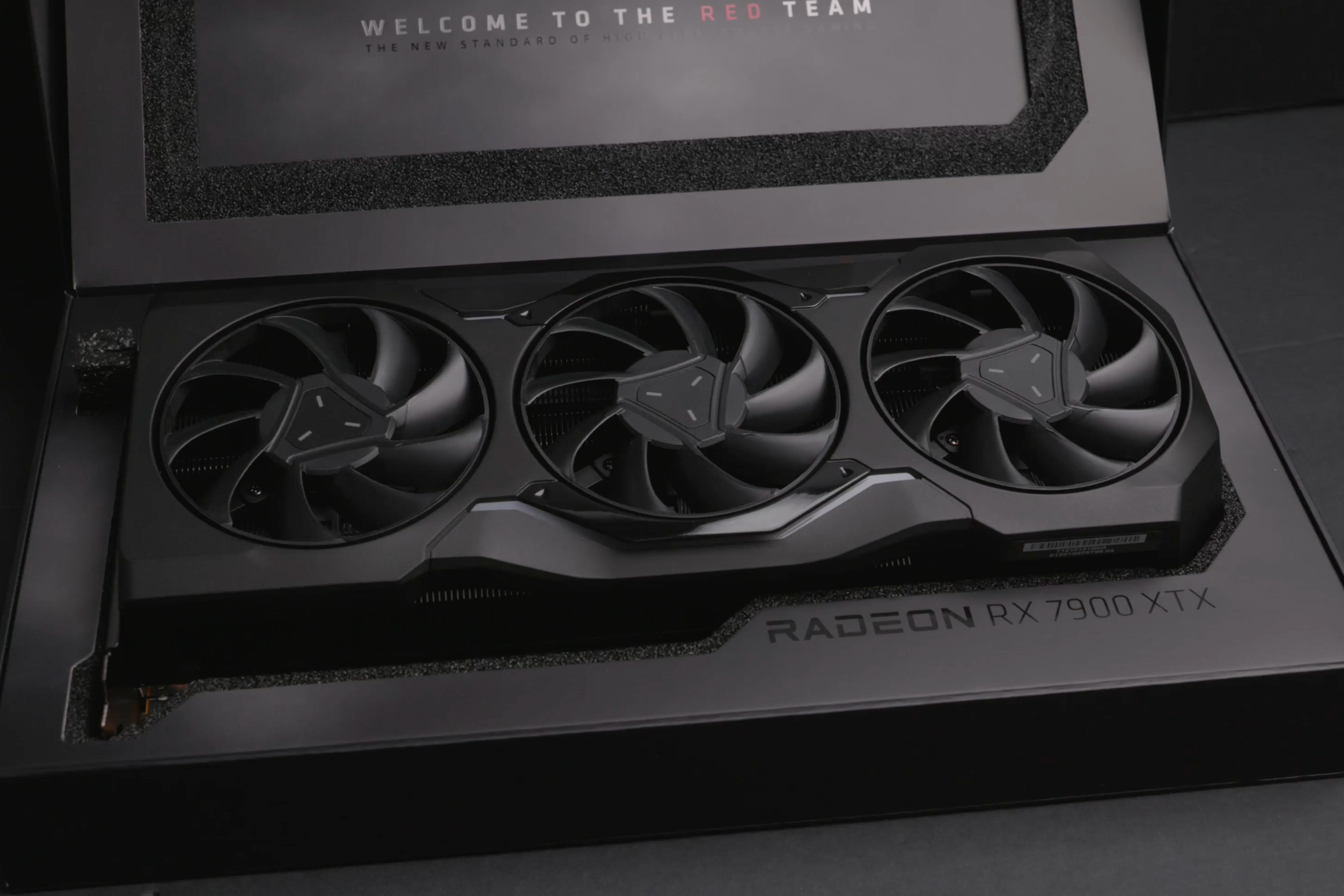
AMD’s latest FSR Upscaling 4.1 technology is now officially supported on older RDNA 3-based Radeon RX 7000 series GPUs, addressing one of the most requested features from gamers. This move allows users with existing hardware to access the same upscaling algorithms as those found in the newer RDNA 4-based RX 9000 series cards, without needing to upgrade their entire system.
The technology, which relies on machine learning techniques for image enhancement, will be available across more than 300 supported games starting this July. While the underlying model remains consistent between RDNA 3 and RDNA 4 GPUs, hardware differences—particularly the absence of FP8 processing units in older cards—necessitate some optimization. AMD has adapted its algorithm to work with INT8 data formats on RDNA 3, ensuring compatibility while maintaining performance.
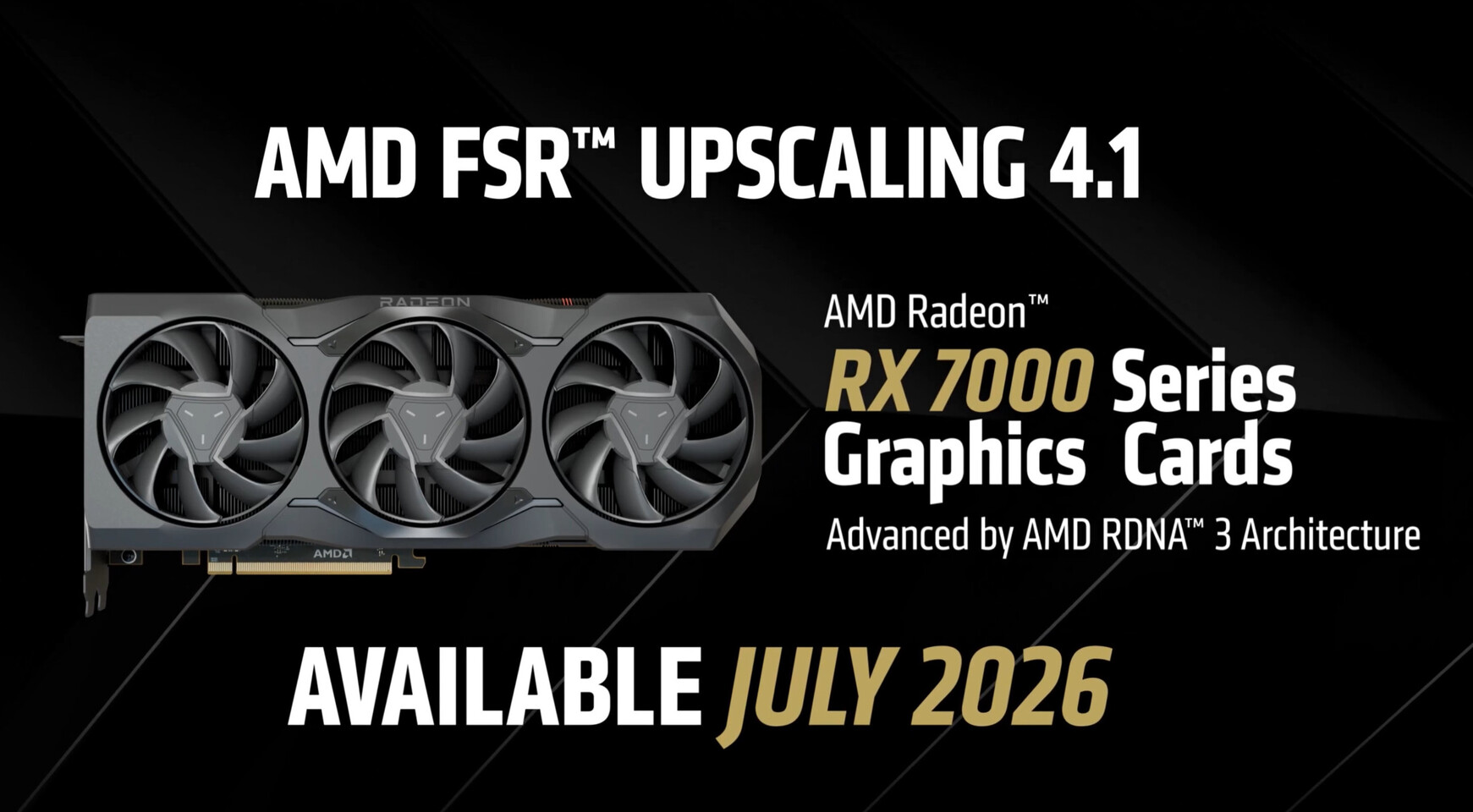
This isn’t just a win for current RX 7000 series owners; it also sets the stage for future support on even older RDNA 2 GPUs, though that rollout is expected in early 2027. The delay reflects the challenges of porting advanced upscaling techniques to hardware not originally designed with these capabilities in mind. For now, users with RX 6000 series cards will have to wait longer, but the fact that this technology can be adapted at all is a promising development.
For PC builders and gamers looking to future-proof their systems, this update reinforces AMD’s commitment to extending the lifespan of its older hardware. While it doesn’t match the raw performance of the latest GPUs like the RTX 5090 or RX 9070 XT, it ensures that those who invested in RDNA 3 can still benefit from cutting-edge upscaling without a full upgrade. The question remains whether this will be enough to sway gamers away from newer architectures—or if further optimizations are needed to close the gap entirely.