For PC builders, the choice between cutting-edge performance and long-term compatibility is a constant balancing act. AMD’s latest move with FSR 4—bringing its advanced upscale technology to older Radeon GPUs—adds another layer to that equation.
The update isn’t without caveats. While it could extend the lifespan of mid-range Radeon cards, the requirement for Windows 11 and a newer GPU architecture introduces practical limitations that may not sit well with every builder’s workflow or budget.
Where FSR 4 Shines
FSR 4 is designed to enhance image quality on supported games by upscaling textures and frame rates in real time. For older Radeon cards—those from the RDNA 1 and RDNA 2 families—this could mean a noticeable boost in visual fidelity without requiring a full hardware upgrade.
- Upscale Performance: FSR 4 is optimized for AMD’s newer GPUs, but backward compatibility means older cards can tap into its features with some performance overhead.
- Windows 11 Dependency: The update is tied to Windows 11, which may exclude users stuck on older OS versions or those prioritizing Linux support.
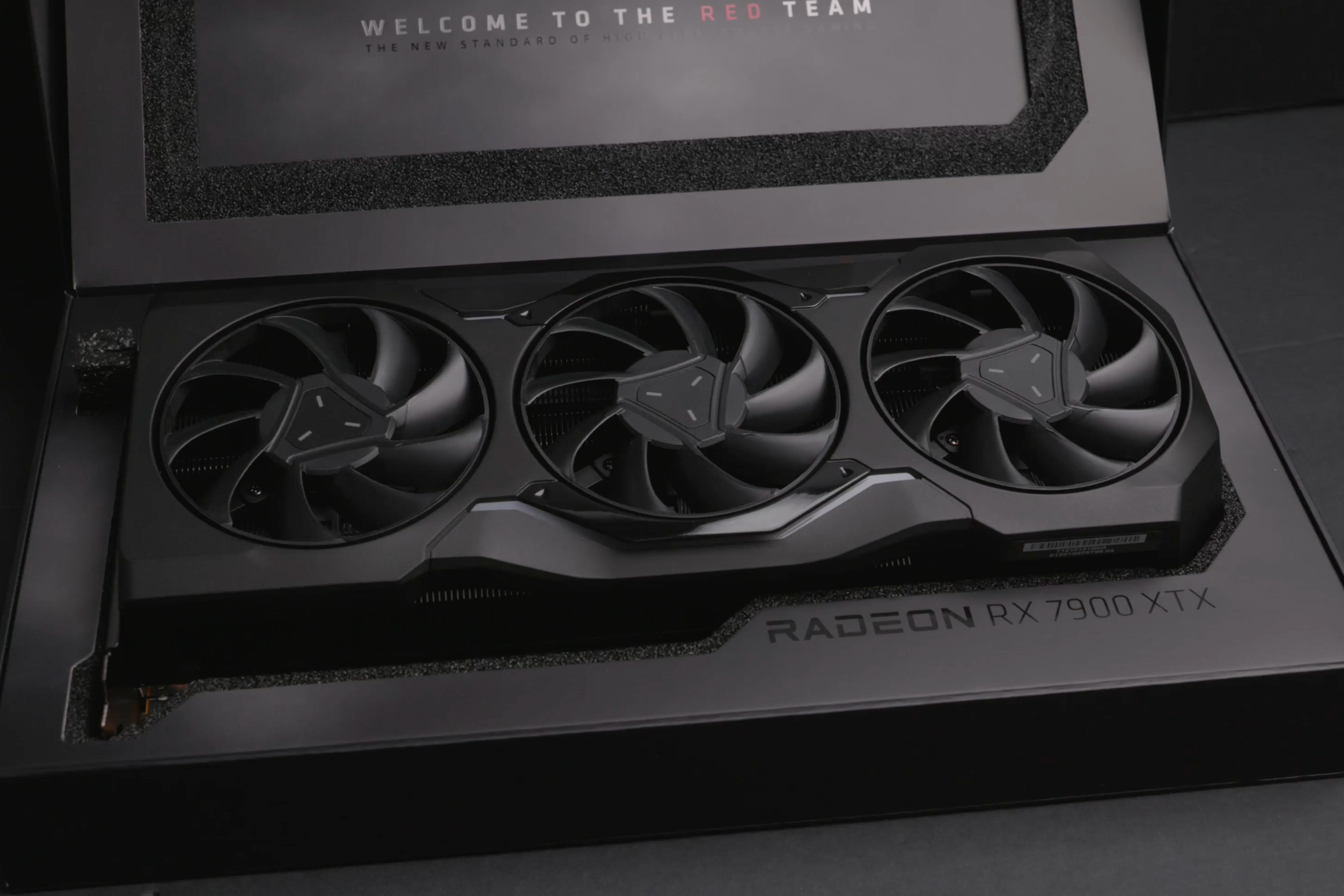
- Architecture Gap: RDNA 3 cards (like the RX 7000 series) get full FSR 4 support, while older cards rely on a stripped-down version, potentially limiting its effectiveness.
The key advantage here is accessibility. Builders who already have mid-range Radeon hardware won’t need to fork out for a new GPU to see improvements in supported games. However, the Windows 11 requirement could create friction for those who prefer flexibility or run into compatibility issues with newer OS updates.
The Catch: Platform Lock-In and Performance
The tradeoff is clear: FSR 4 on older cards isn’t a free upgrade. The technology demands more from the GPU, which can translate to higher power draw and thermal throttling—especially on cards already pushing their limits.
Additionally, the Windows 11 dependency could force builders to reevaluate their platform choices if they’re not already invested in AMD’s ecosystem. For those who prioritize Linux or avoid Microsoft’s updates, this update might feel like a step backward rather than forward.
A Glimpse at the Future?
AMD has positioned FSR 4 as a stepping stone toward more advanced upscale technologies, but its effectiveness on older hardware remains unproven. Benchmarks will be crucial in determining whether the performance gains justify the platform restrictions.
For now, builders should weigh the benefits against the limitations. If Windows 11 compatibility isn’t an issue and power efficiency is manageable, FSR 4 could offer a low-cost way to extend the life of older Radeon cards. Otherwise, it’s a reminder that platform choices have consequences—especially when updates come with strings attached.
The most significant change here is AMD’s decision to extend FSR 4 support backward, but whether that translates to real-world value depends on how each builder balances performance, cost, and ecosystem lock-in.