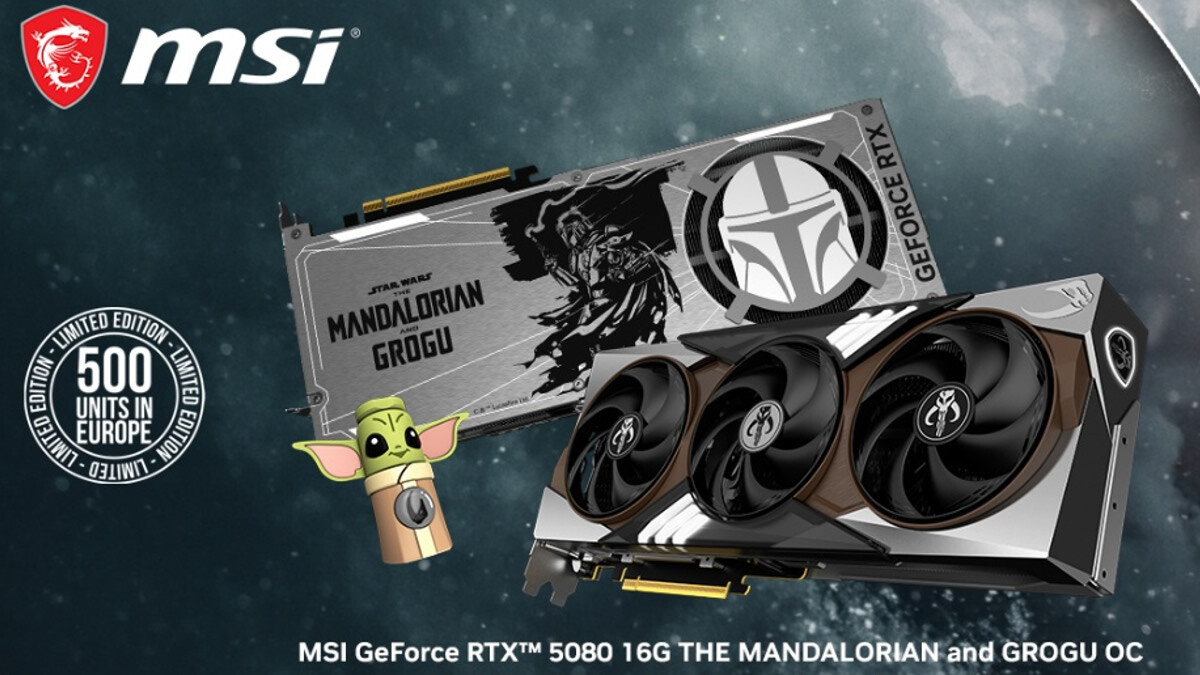
The GeForce RTX 5090 is at the center of a quiet but significant supply chain realignment. Reports indicate NVIDIA is preparing to raise the price it charges AIC partners by $300 for each GPU unit, a move that reflects rising GDDR7 costs and tightening memory availability.
This adjustment comes as GDDR7 has become one of the most constrained components in the current market. What was once a stable supply now requires lead times measured in weeks, with every available module consumed immediately upon arrival. The shift is particularly notable because NVIDIA traditionally bundled GDDR7 into its GPU kits for AIC partners, shielding them from market volatility. That buffer is eroding, however, as even volume discounts no longer offset the surge in memory pricing.
Key specs and context
- Model: RTX 5090 (including RTX 5090D V2)
- Memory type: GDDR7
- Capacity: 16 GB
- Price adjustment: $300 increase for AIC partners
The RTX 5090 remains a flagship product, built around the latest GPU architecture and optimized for high-performance tasks. Its 16 GB GDDR7 memory is a critical component, enabling smooth operation in demanding workloads from AI training to real-time rendering. The current market price for consumer versions already exceeds $4,000—more than double NVIDIA’s official MSRP of $1,999—but the upcoming AIC partner pricing change suggests further upward pressure.
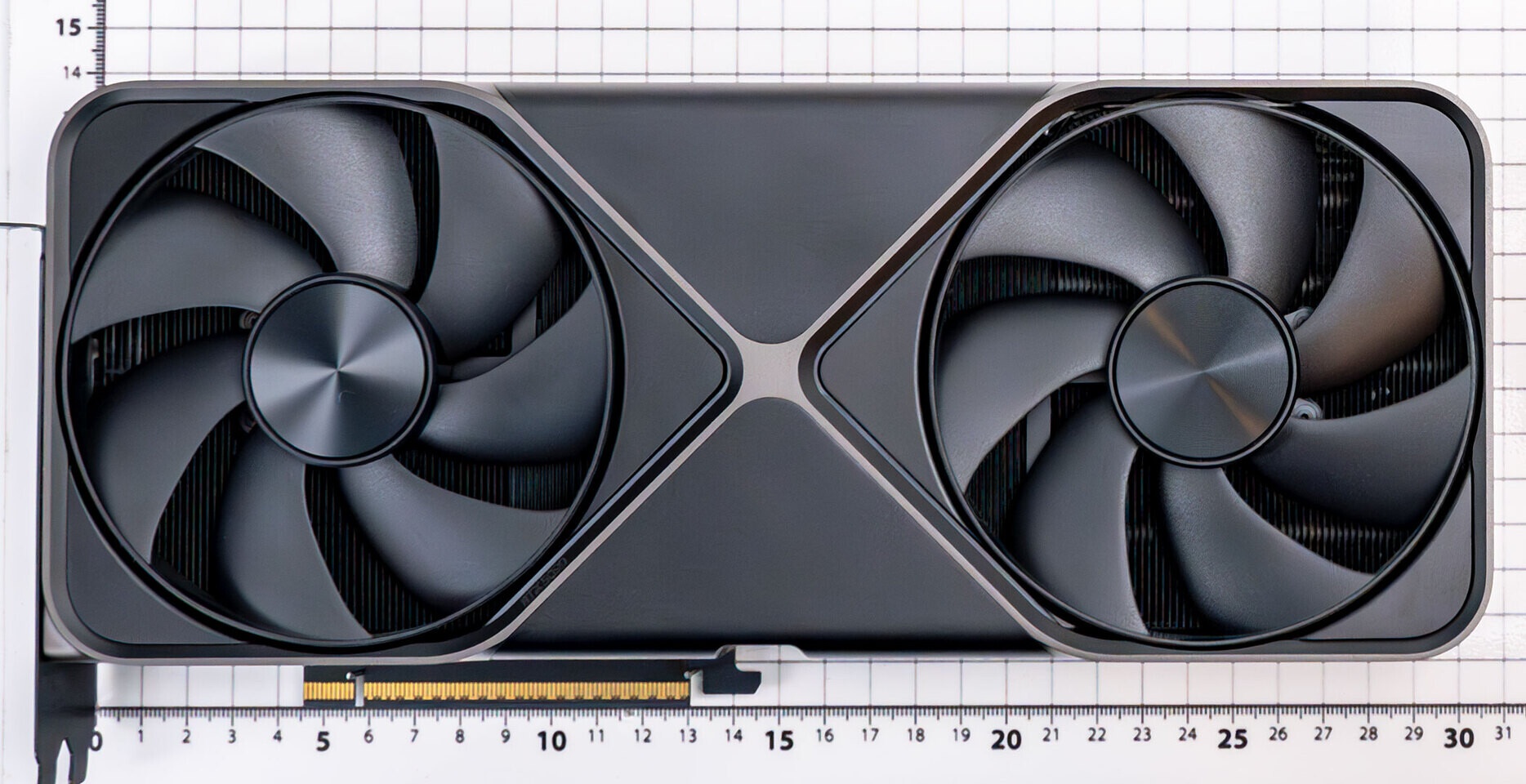
This isn’t an isolated incident. Earlier in 2026, production of the RTX 5070 Ti and RTX 5060 Ti was reportedly halted, while leaks hinted at a potential $5,000 price point for the RTX 5090 by year’s end. The trend underscores how supply chain constraints are reshaping GPU economics, pushing costs higher across the board.
Implications for buyers
For creators and enthusiasts, the news reinforces a reality that has been building for months: the days of stable, predictable GPU pricing are over. The RTX 5090’s MSRP is already a relic, with most retail listings reflecting the true market value. The AIC partner price hike will likely filter down to consumers in the coming weeks, meaning those seeking the best performance will face even steeper costs unless NVIDIA introduces a new model or refreshes its Founders Edition stock.
What remains unclear is whether this marks a permanent shift in NVIDIA’s pricing strategy or a temporary reaction to supply chain stress. If GDDR7 shortages persist, other high-end GPUs—including those from competitors—could see similar adjustments, further tightening the market. For now, buyers must weigh whether the RTX 5090’s capabilities justify its escalating price tag, especially as alternatives emerge or mature.
Where things stand: NVIDIA is finalizing a $300 AIC partner price increase for the RTX 5090 and 5090D V2, driven by GDDR7 shortages. Consumer prices are already above MSRP and will likely rise further. No new models or availability dates have been confirmed.