Four years after its launch, the AMD Ryzen 5 5500U is still holding its own against much newer processors. While it lacks the cutting-edge features of today’s chips, its performance in sustained workloads and battery life keeps it competitive—especially for users who prioritize longevity over raw speed.
Key Specifications
- CPU: 6-core, 12-thread Zen 3 (Cezanne), base/boost clock: 2.0 GHz / 4.0 GHz
- TDP: 15 W (configurable to 10 W)
- Cache: 16 MB L3, 4 MB L2 per core
- Integrated Graphics: Radeon Vega 8, up to 1.7 GHz
- Memory Support: Dual-channel DDR4-3200 (16 GB max on some platforms)
- Fab Process: TSMC 7 nm Enhanced (EUV)
The Ryzen 5 5500U was introduced in early 2021, built on AMD’s Zen 3 architecture and paired with Radeon Vega 8 graphics. Its 6-core, 12-thread configuration is now considered modest by today’s standards, but its efficiency remains a standout. The chip’s configurable TDP—ranging from 10 W to 15 W—allows it to thrive in thin-and-light laptops where power draw is critical.
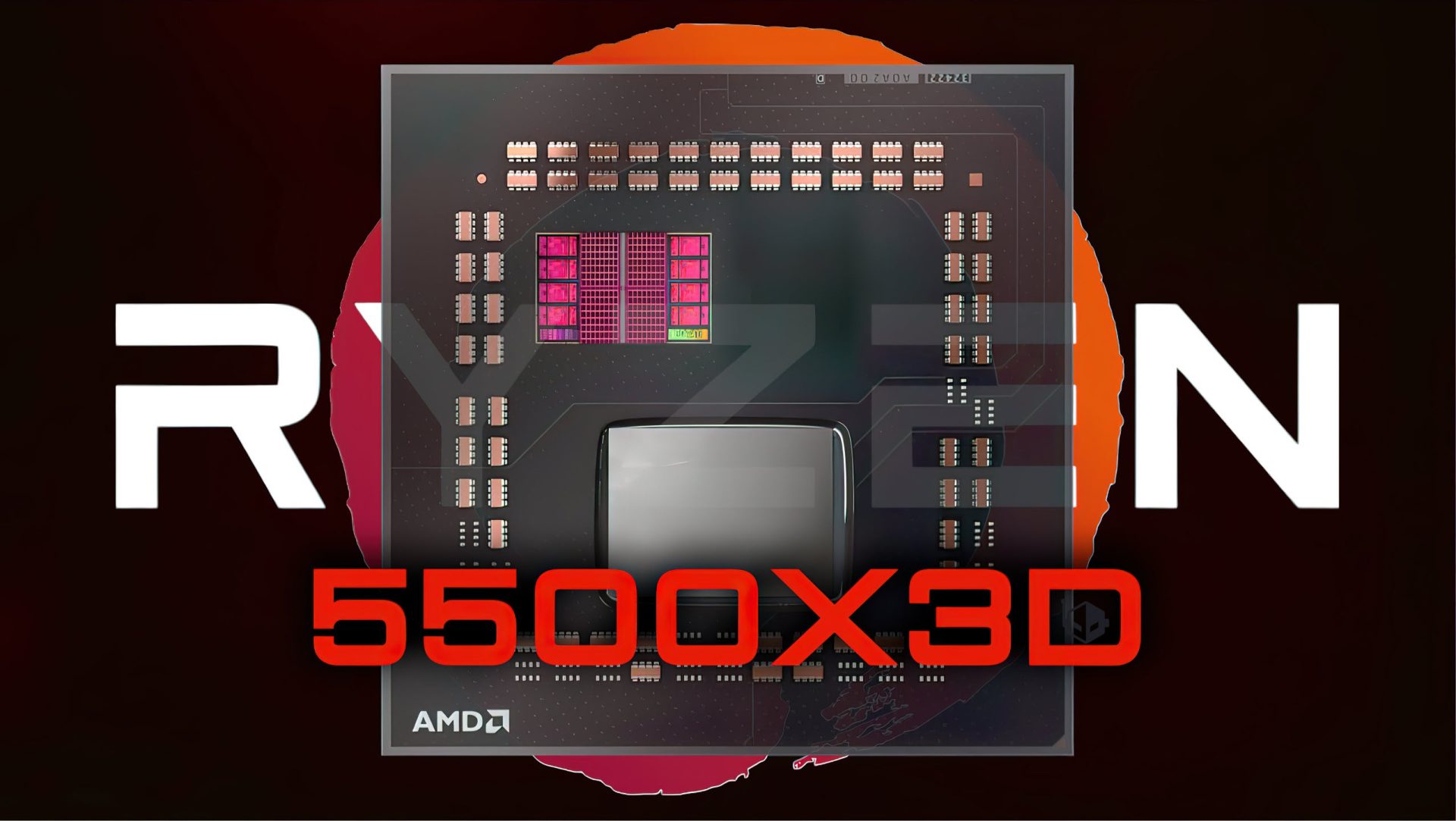
In real-world usage, users notice two things immediately: longevity and responsiveness under load. Unlike newer chips that throttle aggressively or run hotter, the 5500U maintains stable performance for hours on end, making it a favorite for remote workers who juggle multiple browser tabs or long video edits. The Vega 8 iGPU, while not powerful enough for gaming, handles light content creation and media playback without stutter.
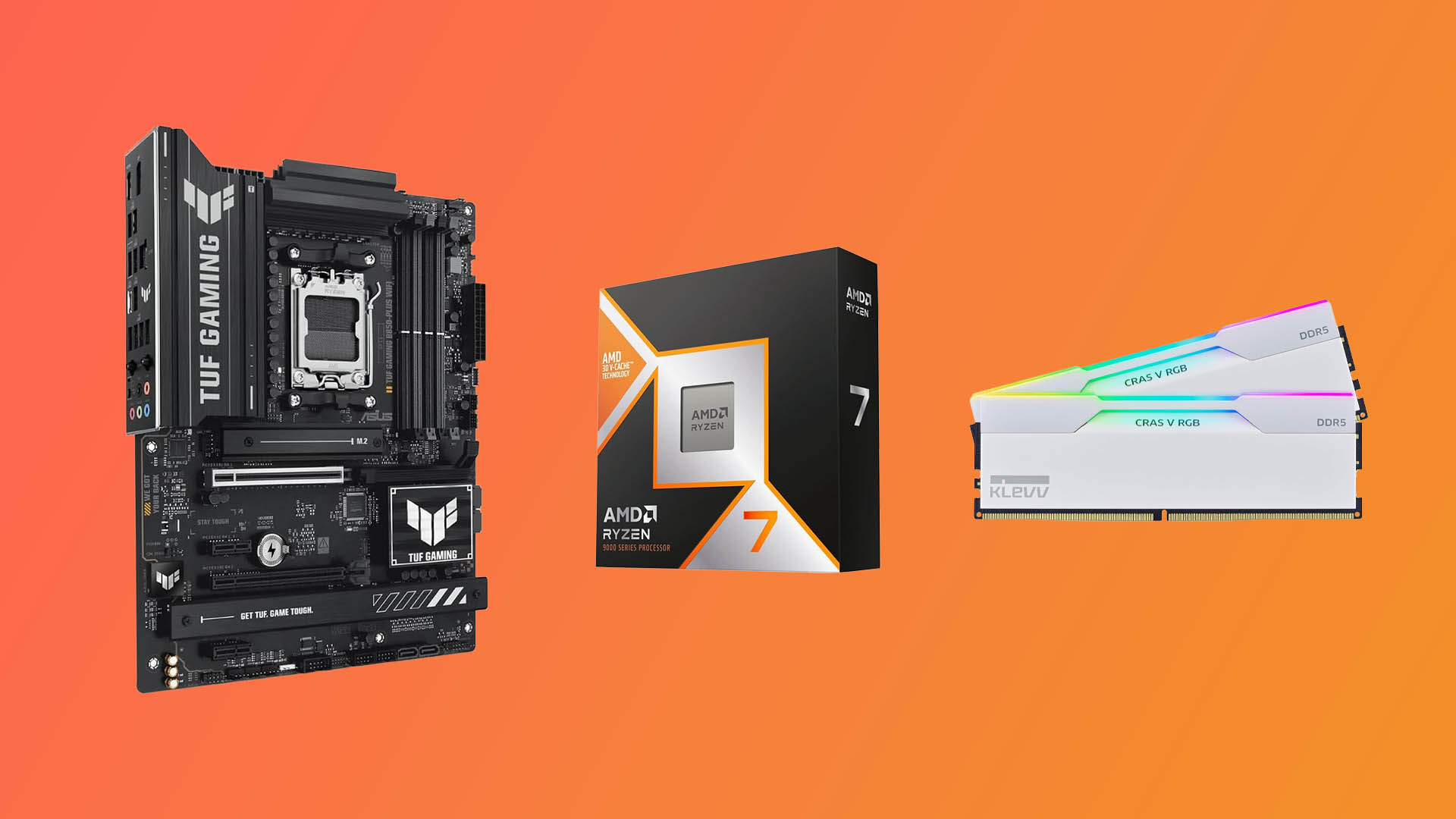
But this isn’t about besting the latest Ryzen 7 9800X3D in benchmarks—it’s about proving that a chip doesn’t need to be new to be relevant. For power users who treat laptops as mobile workstations, the 5500U’s staying power is a reminder that upgrade timing isn’t always dictated by release dates. Whether it’s still the top seller on major platforms or not, its performance curve suggests older hardware can outlast expectations—if efficiency and endurance matter more than peak performance.