AMD’s leadership has signaled a strategic realignment away from consumer PC growth uncertainties, instead doubling down on enterprise and edge AI as the primary drivers for client-segment revenue. The shift comes as industry projections suggest a contraction in PC shipments, exacerbated by inflation-driven commodity price pressures—particularly in memory supply—and a broader industry trend toward AI and data-center investments.
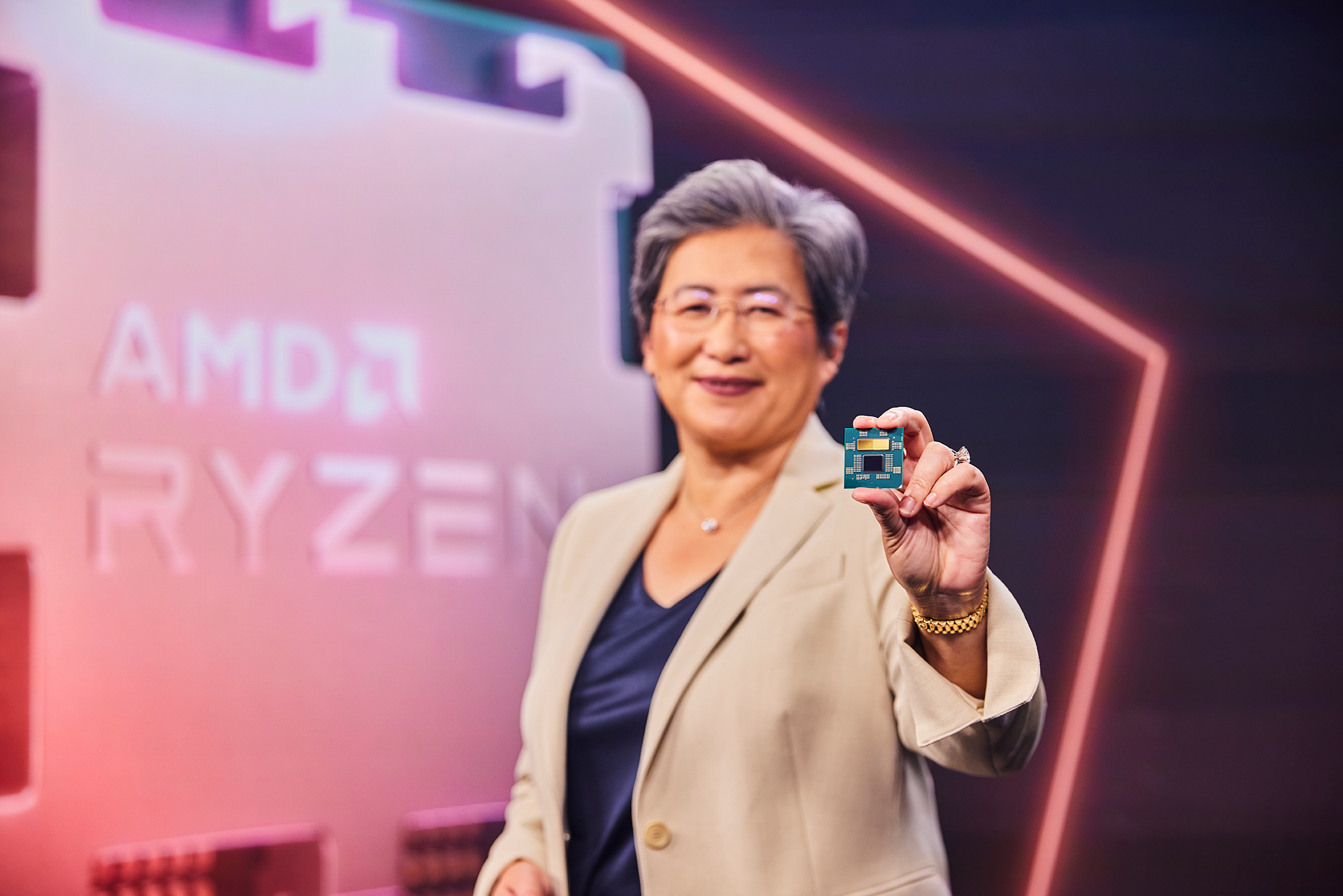
CEO Lisa Su emphasized that while the PC market remains critical, its total addressable market is expected to shrink due to ongoing inflationary strains on components like DRAM and NAND. Despite this, AMD projects continued growth in its client business, though with a deliberate focus on enterprise applications, premium-tier products, and mobile solutions under the Ryzen AI umbrella.
Enterprise as the Growth Engine
AMD’s enterprise push is already yielding results, with client revenue climbing 37% year-over-year to $3.9 billion, driven largely by Ryzen processors and Radeon GPUs. The company’s strategy now centers on blending enterprise-grade performance with client-friendly form factors, including
- Ryzen AI APUs like Gorgon Point, targeting edge AI workloads.
- The Ryzen AI Halo ‘AI mini-PC,’ a compact, AI-optimized platform aimed at business and developer segments.
- Custom semiconductor partnerships, such as the collaboration with Xbox, which may expand AMD’s reach into gaming and cloud infrastructure.
Su’s suggest that AMD views these areas as high-growth opportunities, particularly in sectors where AI-driven efficiency and scalability are prioritized over traditional consumer PC demand.
A Cautious Approach to Consumer GPUs
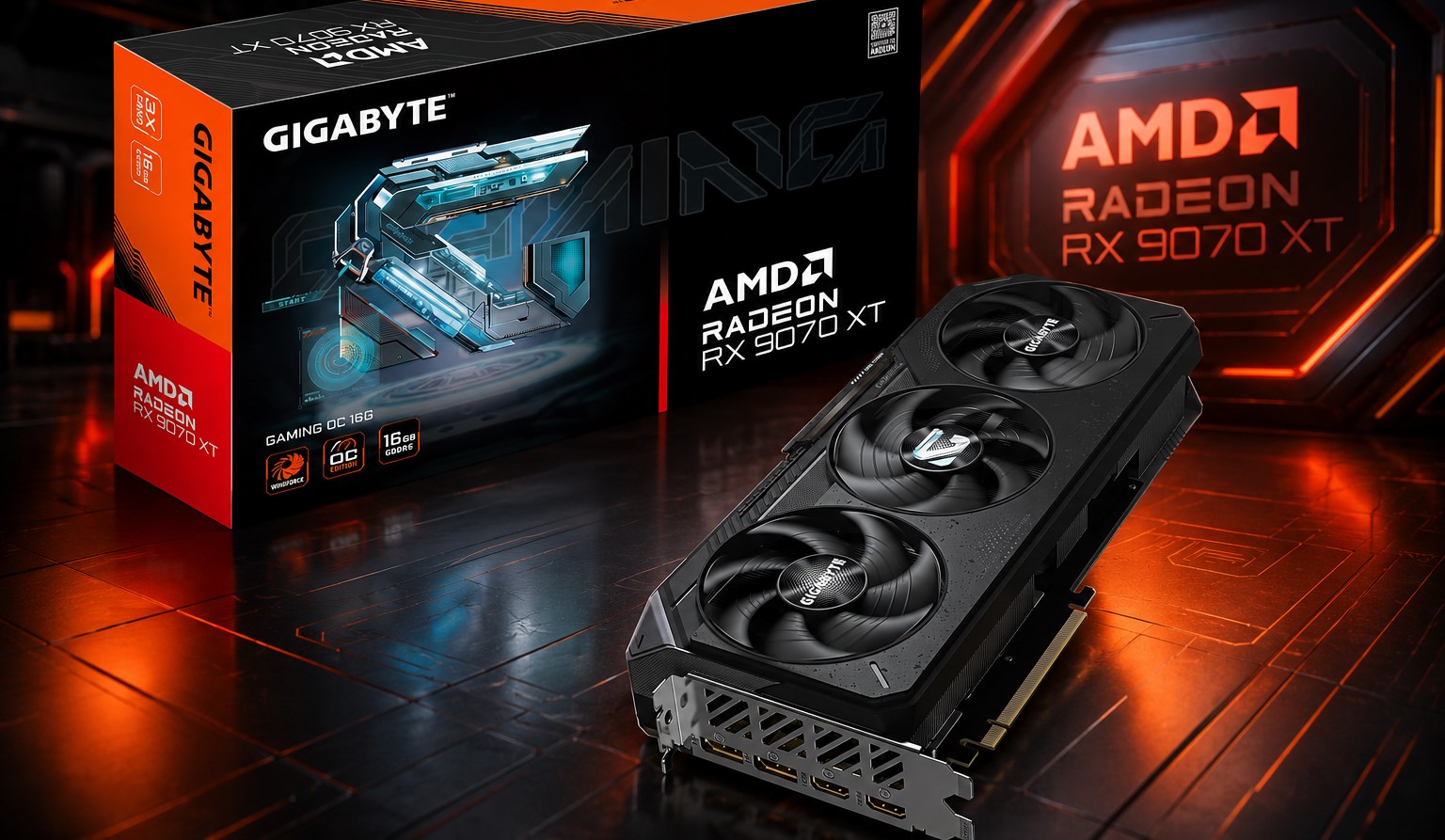
While enterprise and mobile segments take center stage, AMD’s consumer GPU roadmap remains deliberate. The RDNA 4 architecture, launched in late 2023, is expected to remain relevant through at least 2026, with potential refreshes or mobile-focused variants like Medusa Point in development. However, the next major leap—RDNA 5—is not slated until the second half of 2027, reflecting a measured approach amid market volatility.
The prolonged memory shortage, which has disrupted consumer PC assembly and pricing, is projected to extend into 2028, further complicating AMD’s consumer strategy. Without immediate relief, the company may need to rely on incremental updates—such as Computex announcements—to sustain momentum in the desktop GPU space.
What’s Next for AMD?
The company’s ability to execute on its enterprise and AI-driven client vision will hinge on several factors
- Scaling Ryzen AI solutions beyond early adopters, particularly in edge computing and small-form-factor business PCs.
- Leveraging custom silicon deals (e.g., Xbox) to diversify revenue streams and strengthen its position in cloud and gaming markets.
- Navigating the memory supply chain to mitigate production delays and cost pressures.
- Balancing long-term GPU investments (RDNA 5) with short-term market demands, avoiding overcommitment in a contracting consumer segment.
Su’s emphasis on enterprise and premium markets suggests AMD is preparing for a landscape where traditional PC growth may plateau. The challenge will be proving that AI-integrated client products can deliver both performance and profitability—without leaving core consumers behind.