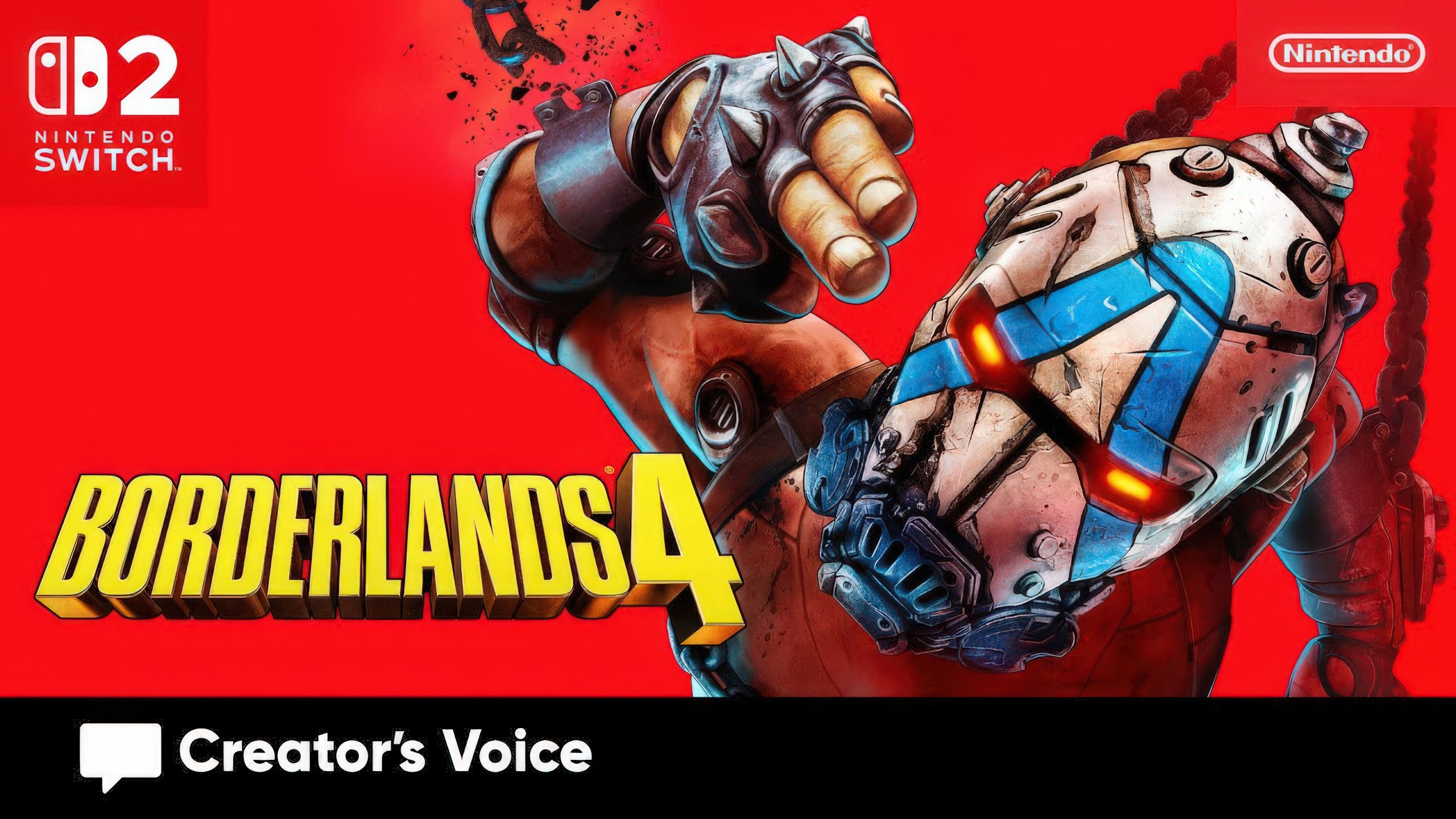
The cancellation of Borderlands 4 for the Nintendo Switch 2 isn’t just a missed opportunity—it’s a stark reminder of how even the most promising cross-platform projects can unravel when technical and logistical hurdles collide with shifting expectations.
The game’s development was paused after Take-Two Interactive quietly removed it from its upcoming releases list, a move confirmed by an internal statement framing the decision as a strategic pivot. Instead of pushing forward with a version that would have launched alongside the console’s debut, the publisher is now doubling down on post-launch content for the existing Borderlands 4 release on PC, PlayStation 5, and Xbox Series X|S. The shift suggests that what once seemed like a seamless match—Gearbox’s Randy Pitchford calling the Switch 2 a ‘perfect fit’ as recently as May—had become an unsustainable challenge by late summer.
The core issue likely stems from the Switch 2’s unique architecture. Unlike traditional consoles, Nintendo’s next-gen system relies on hybrid performance modes, where graphical fidelity must adapt dynamically based on whether the device is docked or in handheld mode. For a visually ambitious title like Borderlands 4*, which demands high-resolution textures, advanced lighting, and multiplayer synchronization, this flexibility introduces complexities that few developers have tackled at scale. Gearbox’s initial optimism may have underestimated the effort required to optimize the game across both states without compromising quality—or, worse, facing the risk of a subpar experience that could alienate fans.
Nintendo’s approach to third-party support has long been a double-edged sword. The company’s hands-off policy—allowing developers to publish games without mandatory modifications—has fostered creativity but also created a fragmented ecosystem where technical demands vary wildly. While indie titles thrive under these conditions, AAA ports often require extensive rework to meet Nintendo’s hardware limitations. *Borderlands 4 would have needed to balance its signature co-op gameplay with the Switch 2’s thermal constraints, a task that may have proven too costly for Take-Two to justify when compared to the relative stability of its other platforms.
The cancellation also underscores a broader trend: Nintendo’s next-gen console is struggling to attract high-profile exclusives or major ports. Despite selling over 17 million units—a record for the company—its library remains thin compared to competitors. The absence of Borderlands 4 leaves a noticeable gap, particularly for fans of looter-shooters, a genre that has flourished on other next-gen systems. Take-Two’s focus now appears to be on titles with clearer paths to success, like PGA Tour 2K25 and *WWE 2K26*, which require less graphical overhaul and align better with Nintendo’s handheld-first design philosophy.
For Gearbox, the move is a setback but not a surprise. The studio has historically prioritized PC and traditional consoles, where its development pipelines are more streamlined. The Switch 2’s cancellation also follows a pattern seen with other ambitious ports, such as *Final Fantasy VII Rebirth*, which arrived on the original Switch with noticeable compromises. In an era where developers are increasingly hesitant to bet on unproven hardware, Nintendo’s challenge isn’t just selling consoles—it’s proving that its next-gen system can deliver the same level of polish as its competitors.
The fallout may force Nintendo to reconsider how it courts third-party developers. If the Switch 2 is to become a viable platform for AAA titles, the company will need to offer more concrete support—whether through hardware adjustments, development tools, or financial incentives. Without such measures, the risk of further cancellations looms large, leaving players and publishers alike questioning whether Nintendo’s next-gen vision can truly live up to its potential.
One thing is certain: *Borderlands 4*’s absence won’t be the last test for the Switch 2. As the console’s library continues to take shape, its ability to attract blockbuster experiences will determine whether it can carve out a lasting place in the gaming landscape—or remain a niche curiosity for niche audiences.