AMD’s latest upscaling technology, FidelityFX Super Resolution 4 (FSR 4), has yet to see official support for its RDNA 3 and earlier architectures, leaving users of the Radeon RX 7000 series and older GPUs without access to its enhanced image quality. While the technology has been integrated into RDNA 4 hardware—such as the upcoming Radeon RX 9000 series—AMD has not yet confirmed plans to extend it to older GPUs, despite technical feasibility.
The core issue lies in hardware limitations. RDNA 4 GPUs support Wave Matrix Multiply Accumulate (WMMA) in 8-bit floating-point (FP8) format, a feature critical for FSR 4’s performance. Older RDNA 3 and RDNA 2 GPUs lack this capability but can still process 8-bit integer (INT8) data—a workaround that AMD appears to have tested internally. A leaked library on AMD’s GPUOpen platform revealed INT8-based FSR 4 functionality, though it was later removed. Independent testing confirmed that on an RX 7900 XTX, FSR 4 in 4K Ultra settings delivered 11% better performance than native rendering but 16% slower than FSR 3.1, suggesting a deliberate tradeoff in image quality for compatibility.
Key Technical Barriers
AMD’s hesitation may stem from a mix of performance concerns and strategic segmentation. The company has already drawn a clear line between its RDNA 4 Redstone suite—featuring exclusive technologies like Ray Regeneration and Radiance Caching—and older GPUs, which rely on FSR 3.1 Fallback for basic upscaling. While FSR 4’s INT8 version exists, its real-world performance on older hardware appears suboptimal, potentially justifying the delay. Additionally, AMD may be preserving product differentiation, as the RX 9000 series will likely command premium pricing (with rumors of a $5,000 RTX 5090-level GPU in 2026 due to AI-driven demand).
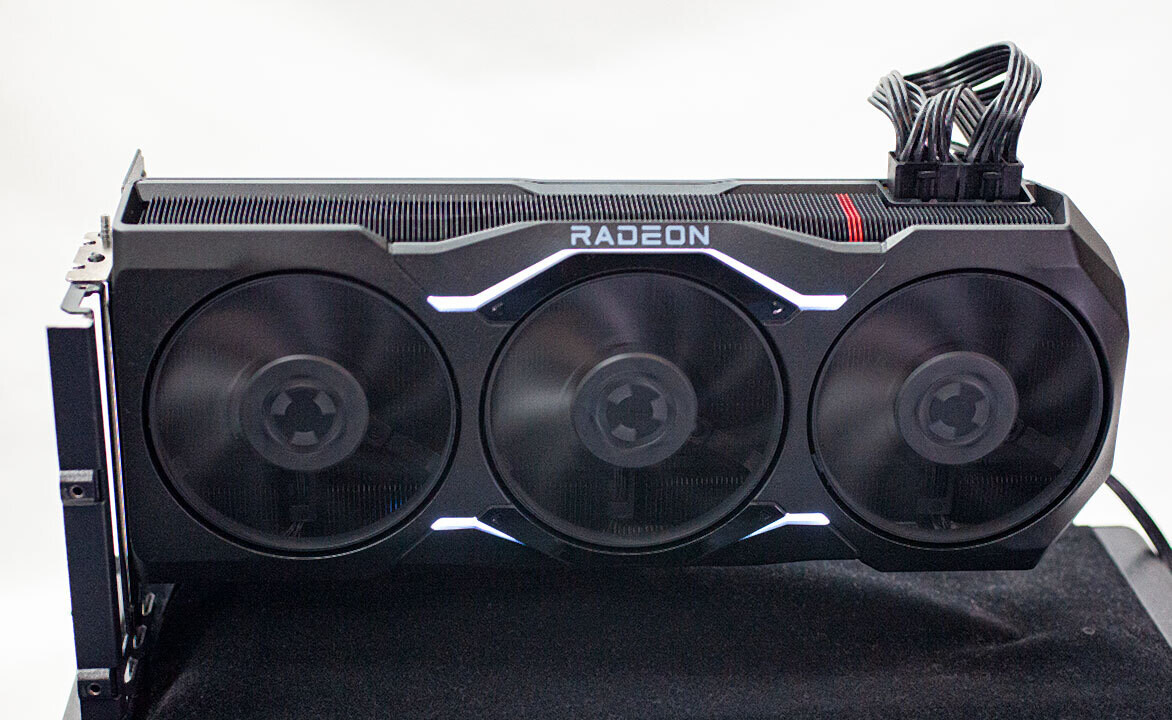
Who’s Affected—and What’s the Workaround?
- Radeon RX 7000 Series (RDNA 3): RX 7900 XTX, RX 7900 XT, RX 7800 XT, RX 7700 XT
- Radeon RX 6000 Series (RDNA 2): RX 6900 XT, RX 6800 XT, RX 6700 XT
- Radeon RX 5000 Series (RDNA 1): RX 5700 XT, RX 5600 XT
For now, users of these GPUs are limited to FSR 3.1, which remains a robust solution but lacks FSR 4’s advanced temporal and spatial upscaling techniques. The leaked INT8 version, while functional, offers no clear advantage over FSR 3.1 in terms of speed or quality—raising questions about AMD’s long-term plans. If and when FSR 4 arrives for older GPUs, it may arrive as a software-only update, bypassing hardware limitations entirely. Until then, those seeking cutting-edge upscaling will need to upgrade to RDNA 4—or rely on NVIDIA’s DLSS 3 for superior performance.
The Bigger Picture: A Segmented Future
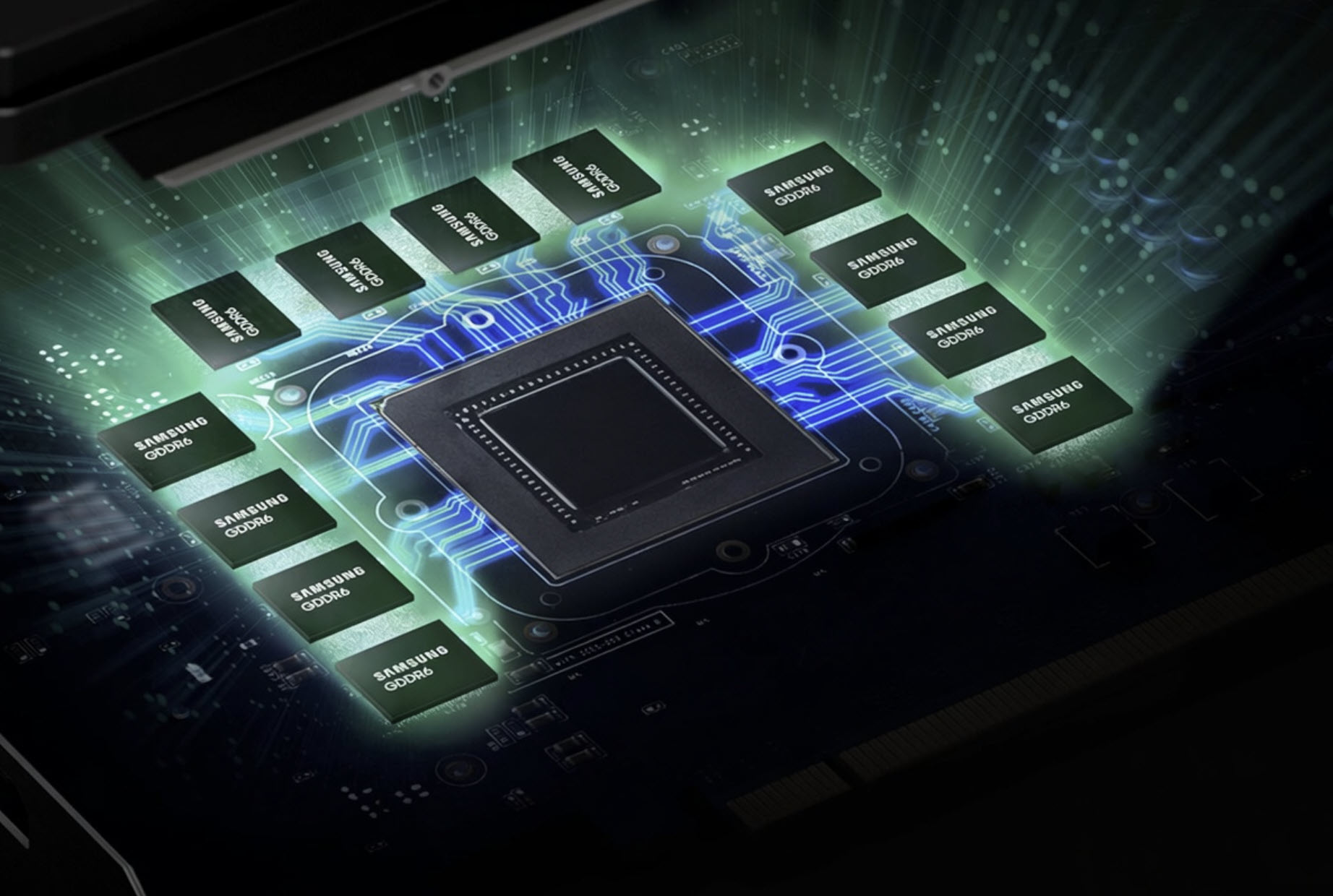
AMD’s approach reflects a broader trend in GPU development: hardware-specific feature tiers. The RX 9000 series, expected to launch later this year, will likely include FSR 4, Ray Reflex, and other Redstone technologies, while older GPUs remain in a maintenance state. This strategy aligns with AMD’s push to compete with NVIDIA’s high-end offerings, particularly in AI and ray tracing, where RDNA 4’s 32 compute units (CUs) and 384-bit memory bus provide a significant leap. For consumers, the message is clear: upgrading may be the only way to access the latest upscaling and rendering features—at least for now.
With no confirmed timeline for FSR 4’s expansion, AMD’s older GPU owners are left with a choice: stick with FSR 3.1 or wait for an update that may never come—or arrive in a form that doesn’t justify the switch.