The macOS 26 update has been confirmed as the final release to support Intel-powered Macs, effectively ending a decade-long era of x86-based computing on Apple's desktop and laptop lineup. This transition, which began in late 2020 with the introduction of the M1 chip, now reaches its conclusion with macOS 27 set to exclusively target Apple's custom silicon lineup.
For macOS 26, codenamed 'Tahoe,' a select group of Intel-based Macs will still receive updates. These include the 2019 Mac Pro, 2019 MacBook Pro 16-inch, 2020 MacBook Pro 13-inch, and the 2020 27-inch iMac. These models will benefit from the latest macOS features this year, but next year's macOS 27 will mark the end of the line for Intel support.
This shift is not just a technical upgrade; it represents a strategic move by Apple to consolidate its ecosystem around its own silicon solutions. The M1 chip, which debuted with an in-house developed CPU, GPU, and surrounding IP, set the stage for this transition. Since then, Apple has expanded its custom silicon lineup with generations like the M5 Pro and M5 Max, further solidifying its commitment to proprietary hardware.
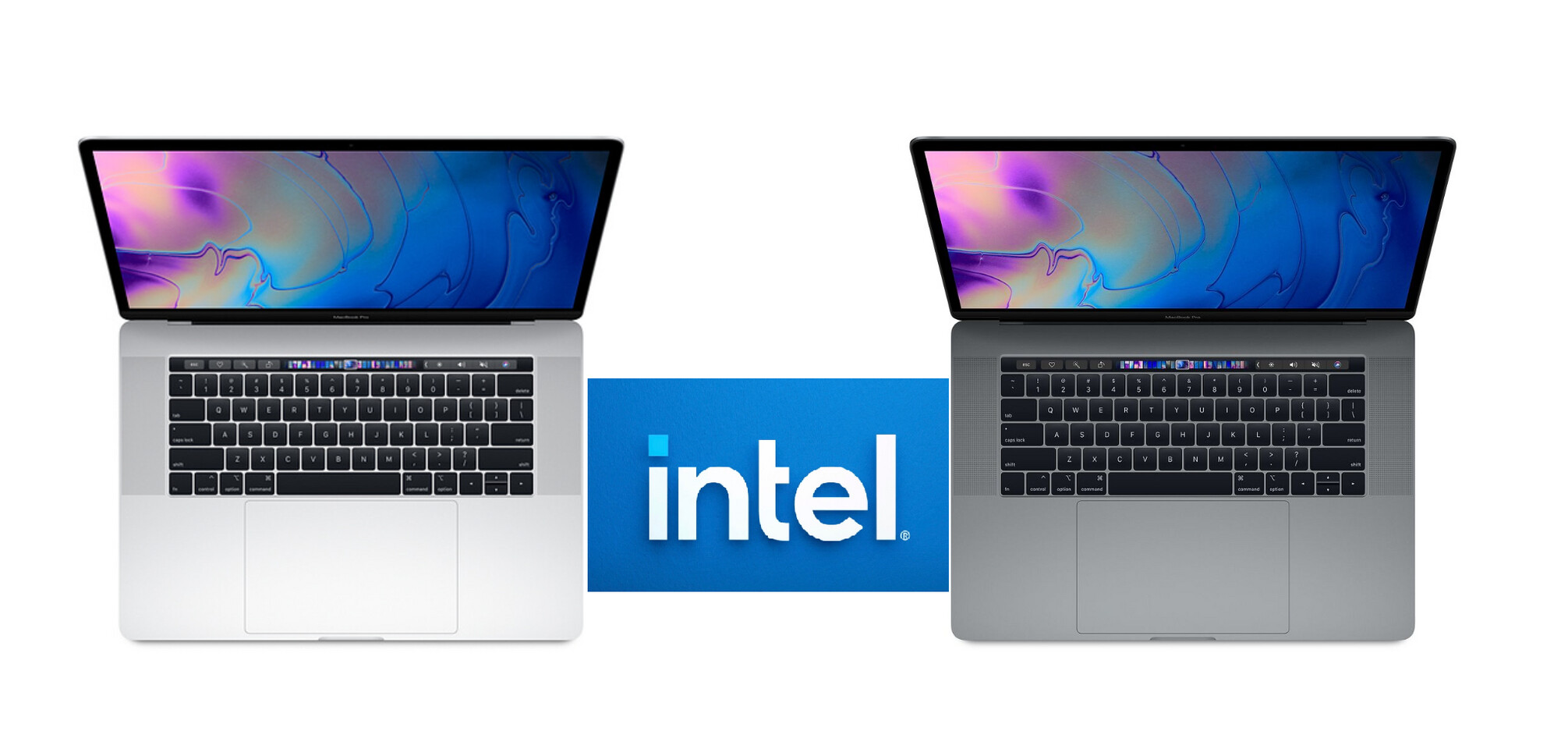
The implications of this change are significant, particularly for users who rely on Intel-based Macs for specific workloads or compatibility needs. While the Hackintosh community may continue efforts to adapt macOS to non-Apple PCs, Apple's focus is clearly on its own silicon ecosystem. This transition also opens new possibilities for future innovations, such as the A18 Pro-based MacBook Neo, which integrates smartphone silicon into a more affordable Mac configuration.
Looking ahead, this shift underscores Apple's long-term vision for its hardware and software integration. The company is expected to detail further advancements at its upcoming WWDC 2026 event, where the full scope of its transition from Intel x86 CPUs to custom Apple Silicon solutions will be on display.