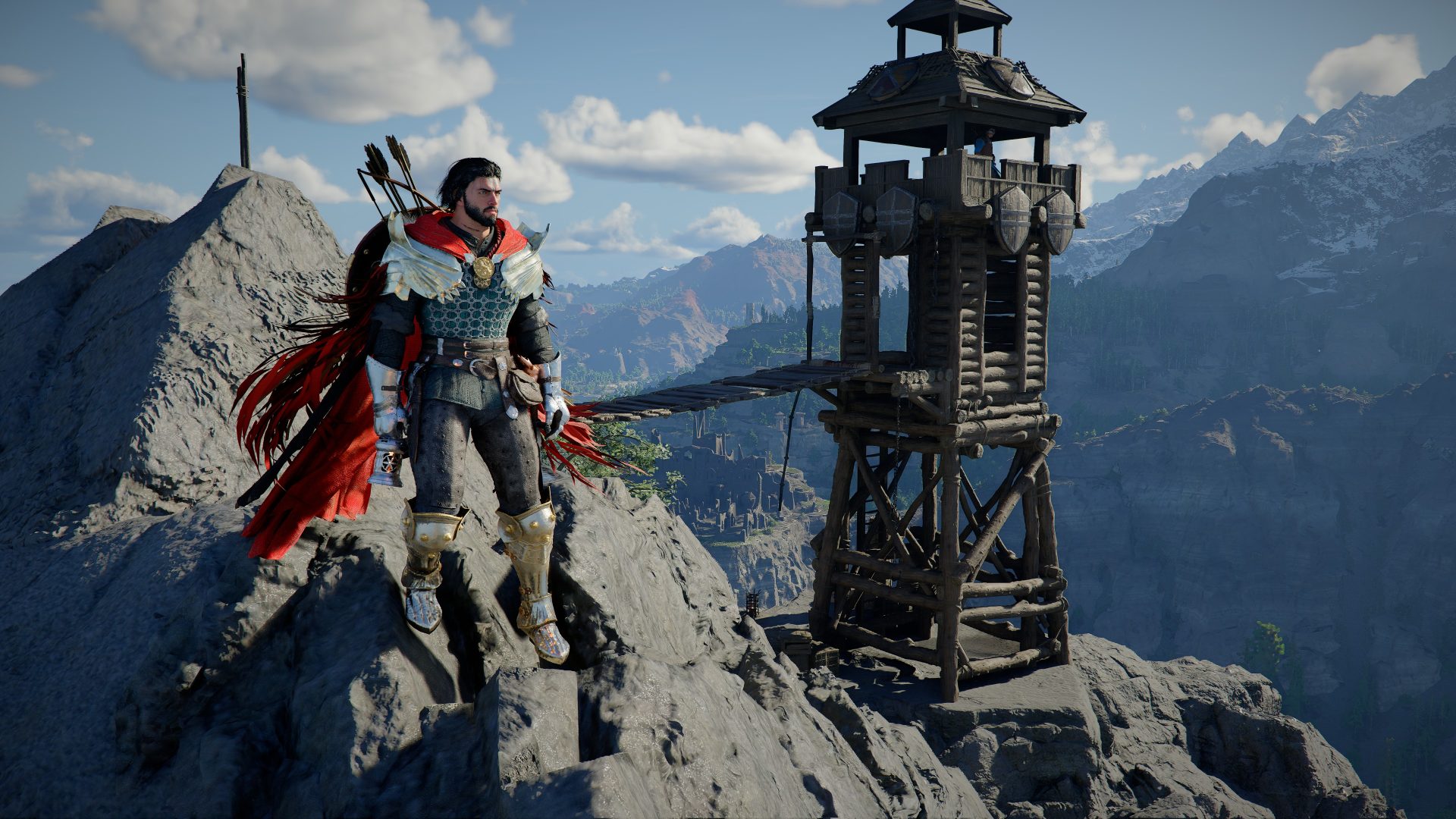
A user boots up their gaming rig, expecting a seamless session in Apex Legends. Instead, the game crashes—until now. AMD's latest driver update, Adrenalin Edition 26.5.2, addresses this specific issue for its older Polaris and Vega GPUs, architectures that have been out of production since 2019.
The update is the first to target these GPUs in nearly a year, reflecting their diminished but not yet extinct relevance. While the change list is short—a single fix for RX 400 and RX 500 series cards—it signals that AMD remains committed to maintaining functionality for millions of systems still running these older models.
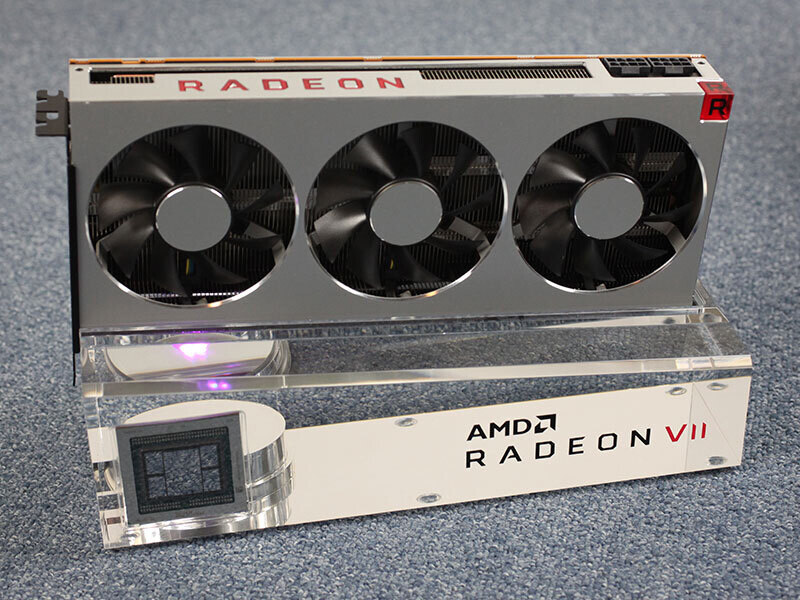
Polaris debuted in 2016, primarily for OEM systems, before arriving as consumer gaming GPUs in 2017. Vega followed in 2018, culminating with the Radeon VII in 2019. Though superseded by RDNA and subsequent generations, these architectures remain in use, powering everything from budget builds to high-end setups of their time.
For users, this update means stability in one of AMD's most popular competitive titles. For the broader ecosystem, it reinforces a quiet but consistent policy: even legacy hardware deserves occasional attention, especially when it still serves millions.
The supported GPUs include
- Radeon RX 400 series (RX 460, RX 470, RX 480)
- Radeon RX 500 series (RX 550, RX 560, RX 570, RX 580)
- Radeon Vega series (Vega 56, Vega 64)
- Radeon VII
- Radeon Pro Duo
No performance improvements or new features accompany this update. The focus is purely on stability, a practical approach for hardware that, while no longer cutting-edge, remains functional for niche use cases and budget-conscious builds.
For buyers considering these GPUs today, the message is clear: they are not future-proof, but they remain viable for entry-level gaming or content creation. AMD's occasional driver tweaks ensure they stay operational, though users should expect no major advancements in performance or features.