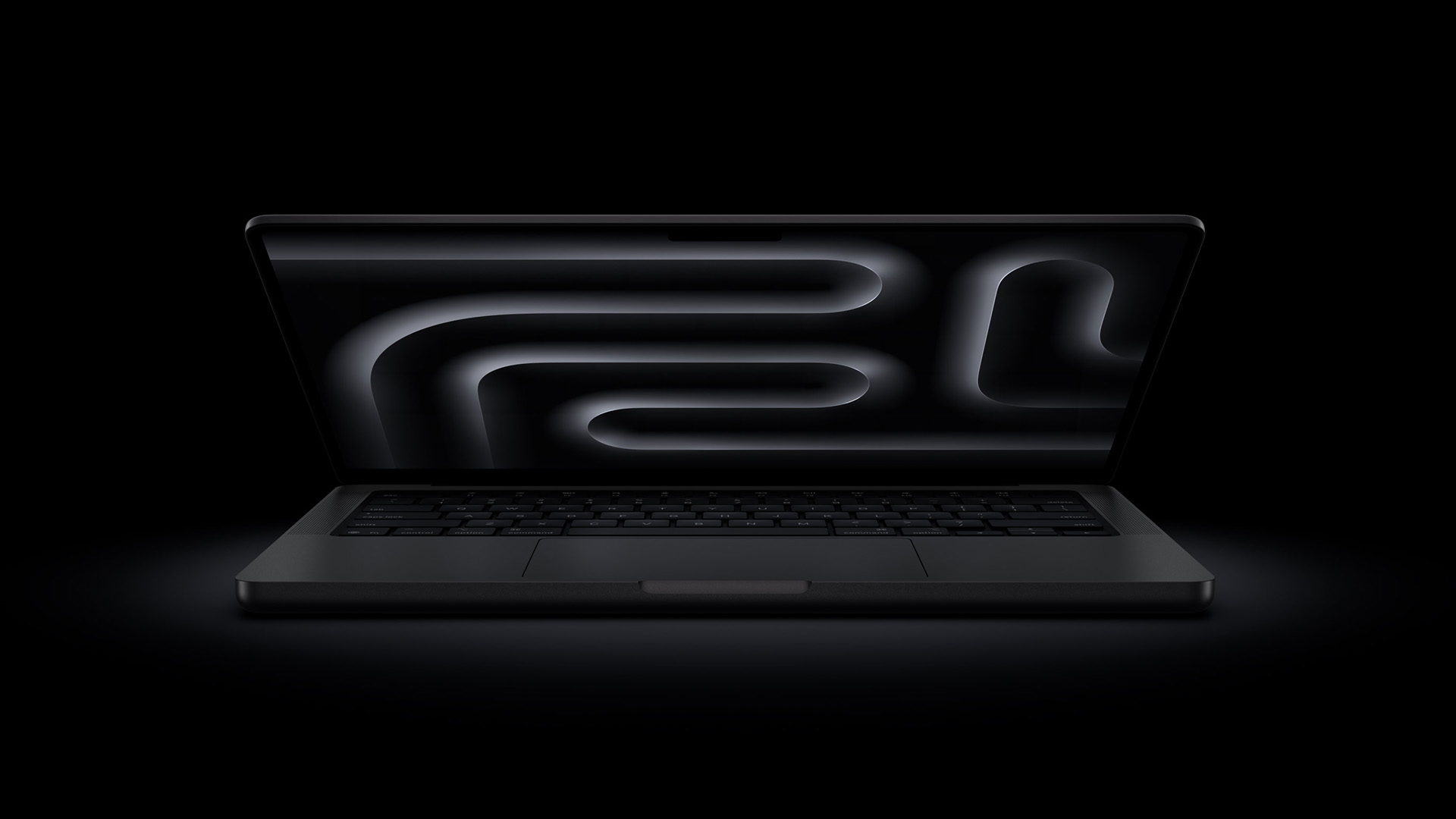
A MacBook Pro configuration that typically retails for over $3,500 was recently acquired for $1,501 in a transaction that has left industry observers questioning the future of Apple’s resale market. The system, featuring an M4 Max chip with 128 GB unified memory and a 768 GB SSD, was described as having minimal wear, with battery health at 92 percent—a figure that suggests light use or extended storage.
This deal is particularly notable because it involves a high-end system that most resellers would avoid. The M4 Max chip, which offers up to a 16-core CPU and 50-core GPU, delivers performance comparable to high-end desktops. Its inclusion in this configuration, combined with the substantial storage capacity, makes it an unusual find in non-Apple retail environments.
- M4 Max chip: Up to 16-core CPU, 50-core GPU
- Unified memory: 128 GB (96 GB usable)
- Storage: 768 GB SSD
- Condition: Nearly mint, battery health at 92%
The transaction raises broader questions about Apple’s approach to hardware longevity and resale pricing. While Apple has long maintained tight control over its resale channels, this deal suggests that high-end configurations may become more accessible in alternative retail settings. Whether this is an isolated incident or the start of a trend remains to be seen.

For businesses relying on powerful hardware for tasks like video editing or data analysis, this could represent a rare opportunity to acquire top-tier equipment at a significant discount. However, the long-term sustainability of such discounts depends on factors like supply chain dynamics and Apple’s pricing strategies.
Looking ahead, analysts suggest that the M4 Max’s performance and longevity may set a new benchmark for premium laptops. If more systems with similar configurations surface at competitive prices, it could pressure Apple to rethink its pricing tiers or extend support for older models—both of which would benefit businesses seeking cost-effective solutions.
While the deal itself is verified, several details remain uncertain. It’s unclear whether this was a one-time anomaly or if pawn shops and resellers are beginning to stock more high-end Apple hardware at discounted rates. Additionally, the system’s condition beyond battery health is not fully documented, which could impact its true value.
One confirmed takeaway is that the M4 Max chip appears to be holding up well over time. If this holds true across a broader sample size, it could reinforce Apple’s narrative of hardware longevity—a key selling point for businesses looking to stretch their IT budgets. Whether other models or configurations will follow remains an open question.