Gaming platforms are evolving, and the latest AORUS graphics cards—RTX 5090 and RTX 5080—are at the forefront of this shift. Their introduction marks a notable development for gamers weighing performance against efficiency, as these models integrate advanced cooling solutions and power delivery while maintaining compatibility with DDR5 memory standards.
These GPUs are designed to deliver high-end performance, but their operational costs—particularly in power consumption and thermal management—could reshape upgrade timing for many users. The RTX 5090, in particular, pushes the boundaries of cooling technology with space-inspired engineering, while the RTX 5080 balances aesthetics and performance through innovative design elements like wood-finished panels.
- Model: AORUS GeForce RTX 5090 / RTX 5080
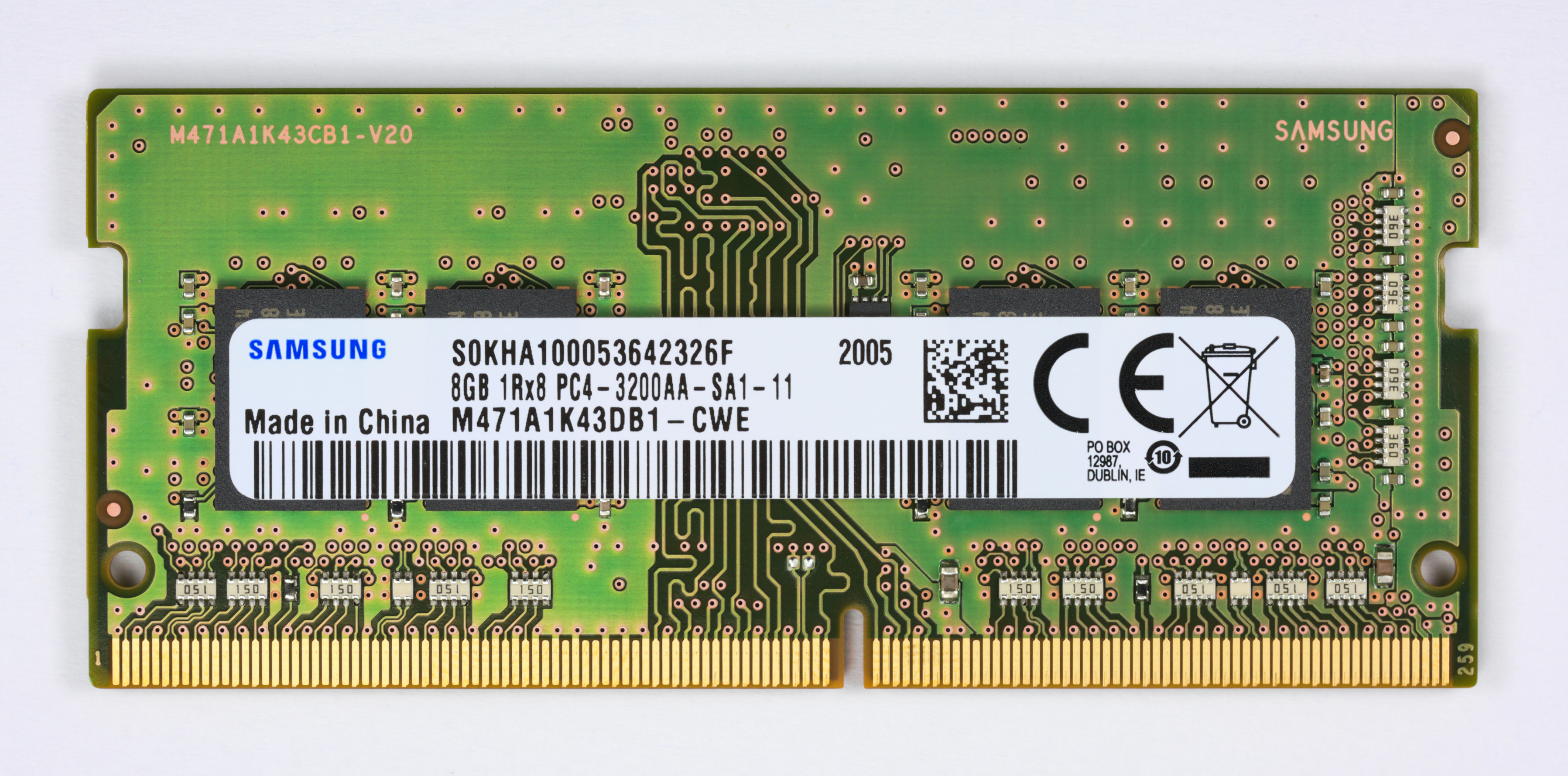
- Memory: DDR5 (exact capacity not specified)
- Cooling: Space-grade thermal materials, AI Gyroid Structure (up to 44% increased surface area), rocket-thruster-inspired design
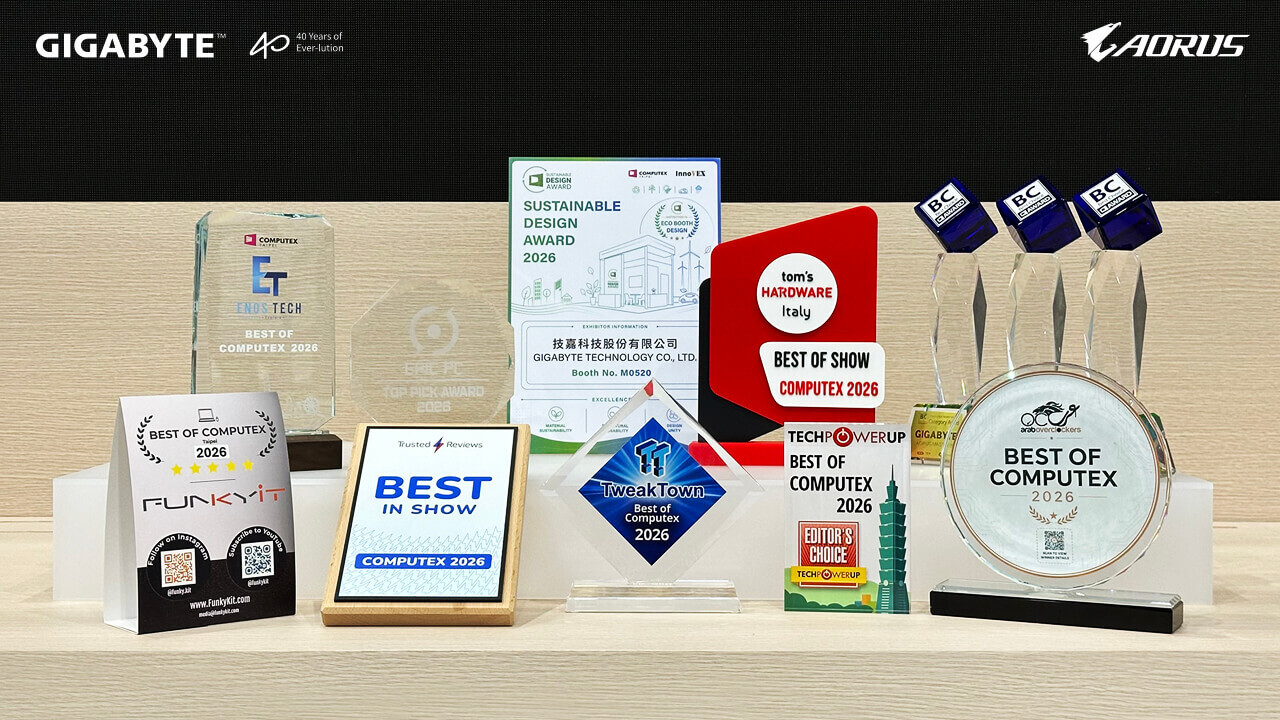
- Aesthetics: INFINITY WOOD finish on RTX 5080, modular and sustainable exhibition design philosophy
The RTX 5090 stands out with its 64-phase power design capable of delivering up to 5,120 amps, a figure that underscores the card’s ability to handle extreme workloads. This level of power delivery is not just for show; it reflects a need for robust cooling solutions to prevent thermal throttling during sustained gaming sessions. The AI Gyroid Structure, which increases cooling surface area by up to 44%, is a testament to how far design and engineering have advanced in recent years.
However, the RTX 5080 offers a more refined approach with its INFINITY WOOD aesthetic, blending premium materials with performance-focused engineering. This model demonstrates that high-end graphics cards no longer need to choose between raw power and visual appeal. The wood-finished panels not only enhance the card’s look but also contribute to its thermal management, creating a balance that appeals to both enthusiasts and those who prioritize aesthetics in their builds.
For gamers considering an upgrade, the choice between these two models will likely come down to operational cost and long-term value. The RTX 5090 is built for users who demand the absolute best performance, even if it comes with higher power consumption and thermal output. On the other hand, the RTX 5080 offers a more sustainable approach without sacrificing performance, making it an attractive option for those looking to balance efficiency and aesthetics.
The availability of these cards is not yet confirmed, but their introduction suggests they will be positioned at the high end of the market. Gamers should weigh whether the performance gains justify the investment, especially as power costs continue to rise. The focus on DDR5 memory compatibility also hints at a future where memory bandwidth becomes an even more critical factor in gaming performance.