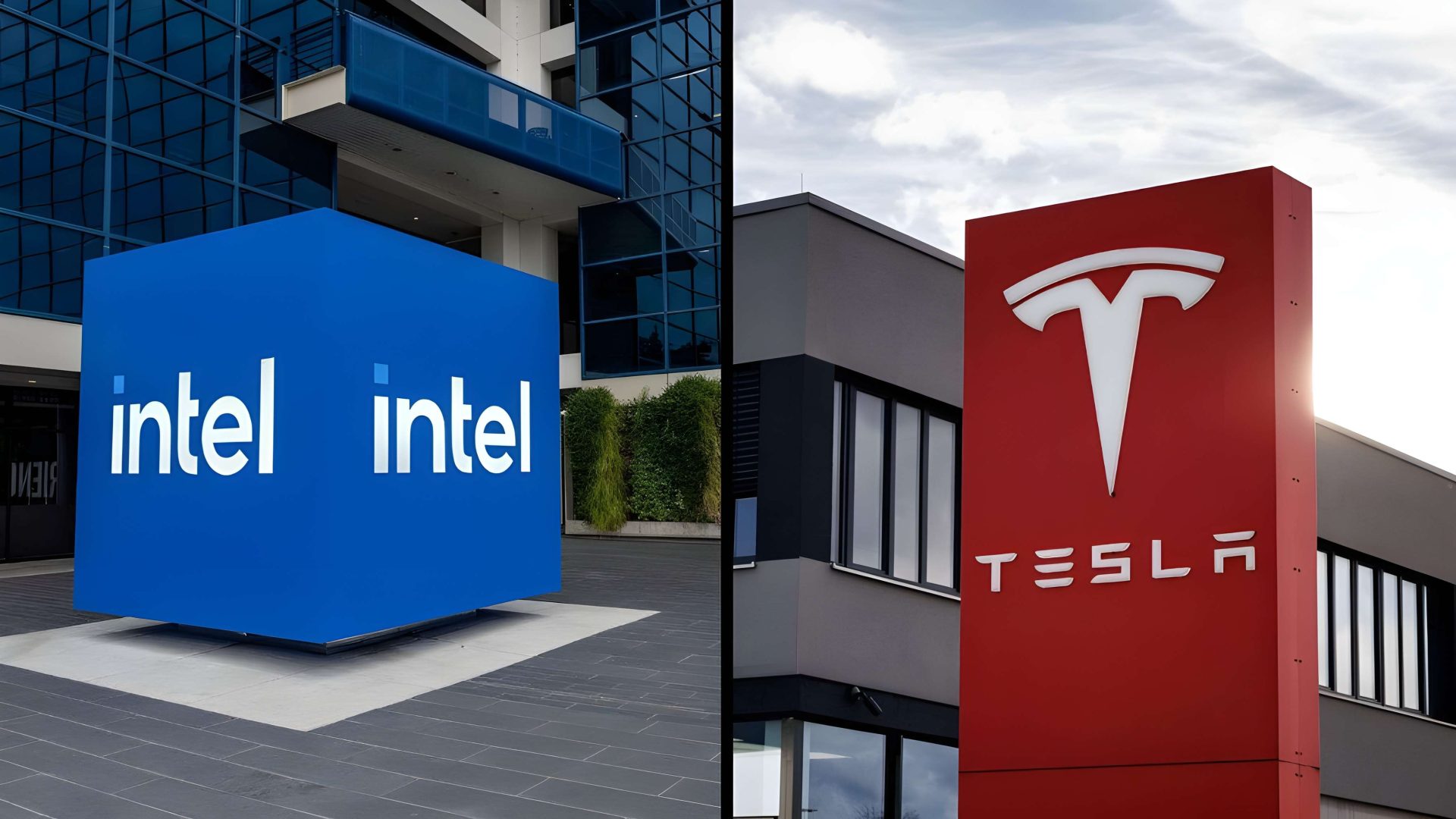
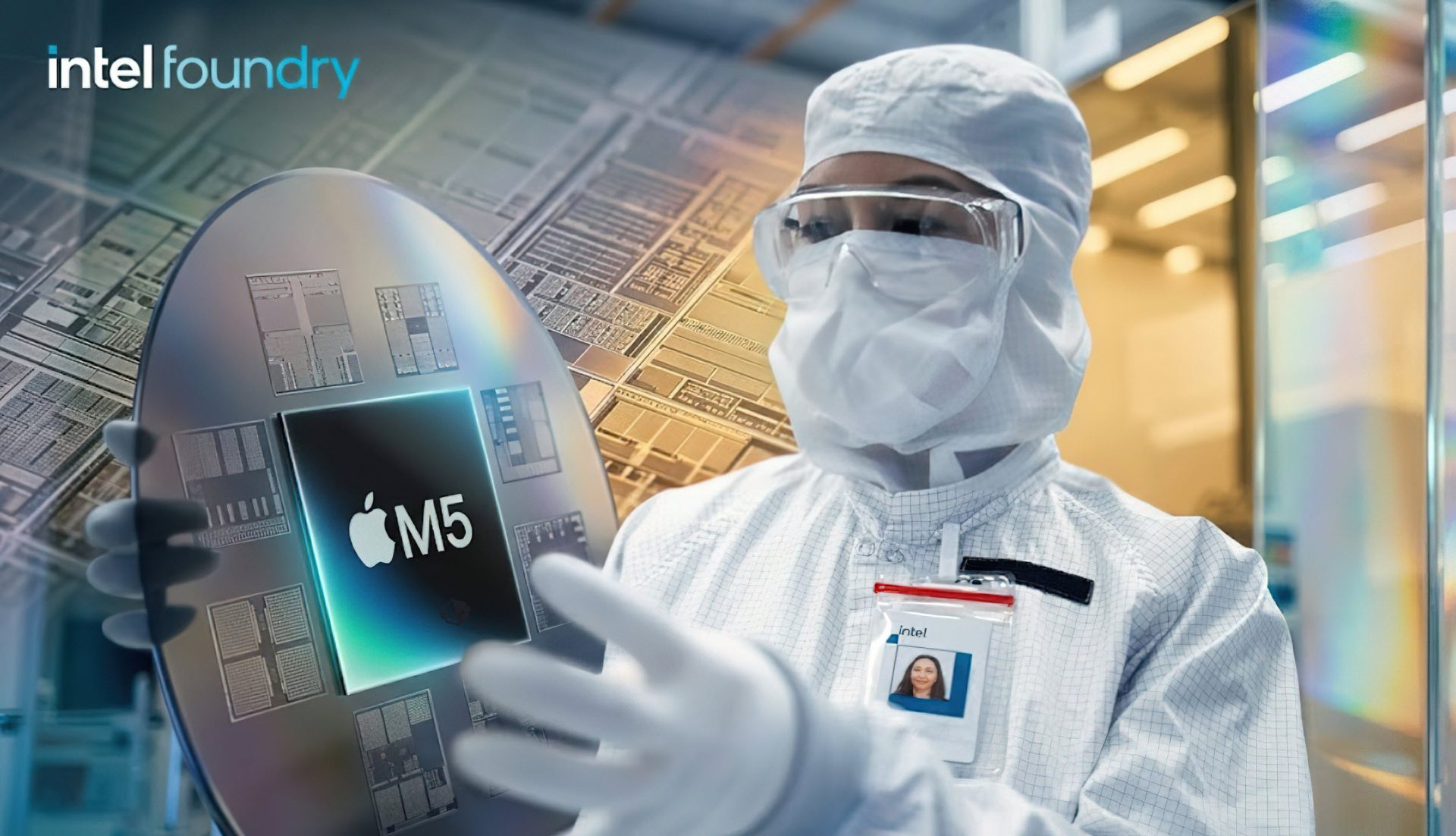
Apple’s decision to source its next-generation system-on-chip designs from Intel could unleash a €4.6 billion spending spree across the industry, reshaping supply chains and market dynamics.
The shift away from in-house development marks a strategic pivot for Apple, but it also signals a major opportunity for semiconductor equipment providers. Analysts suggest this move will accelerate demand for advanced lithography tools, particularly those capable of sub-5 nm node production, putting ASML at the forefront of a new wave of orders.
What’s Driving the Investment Rush
The transition from Apple’s long-standing partnership with TSMC to Intel’s foundry arm is not just about chip design—it’s about scaling. Intel’s IDM 2.0 strategy, which combines in-house fabs and foundry services, positions it to handle high-volume production for Apple at scale. This shift will require significant capital investment in manufacturing equipment, with a focus on extreme ultraviolet (EUV) lithography systems that can process chips at nodes below 5 nm.
Implications for Equipment Manufacturers
- ASML is expected to be the primary beneficiary, given its dominance in EUV lithography technology. The company’s machines are already in high demand, but this partnership could trigger a surge in orders, pushing production capacity to new limits.
- The increased demand will likely tighten supply chains, creating both opportunities and challenges for other equipment manufacturers vying for a share of the market.
For Apple, the move offers access to Intel’s cutting-edge fabrication capabilities while reducing reliance on a single external foundry. However, the long-term implications for competition in the chip industry remain uncertain, with potential ripple effects on pricing and innovation cycles.
A Market in Flux
The semiconductor landscape is already volatile, with geopolitical tensions and supply chain disruptions adding layers of complexity. Apple’s partnership with Intel could further accelerate consolidation in the foundry space, pushing smaller players to adapt or risk being left behind. Meanwhile, ASML’s position as a key enabler of this transition will be closely watched, as it navigates the delicate balance between meeting surging demand and maintaining operational efficiency.
For now, the focus is on execution. If Intel delivers on its promises of high-volume production at advanced nodes, the €4.6 billion investment figure could become a reality, reshaping the industry’s equipment market in ways that will be felt for years to come.