Silicon Motion, a major player in flash memory and SSD controllers, has indicated that the current shortages of NAND flash and DRAM will not ease until at least late 2028. This extends the crunch beyond the typical two- to three-year window seen in previous cycles, potentially delaying upgrades for power users who rely on high-performance storage and system RAM.
The company’s assessment suggests that long-term contracts signed by AI firms—securing vast quantities of memory chips—are locking up supply chains, leaving consumer and enterprise buyers with limited options. This shift could force a reevaluation of upgrade plans, as availability rather than performance alone may dictate when users replace components like SSDs or add more RAM to their systems.
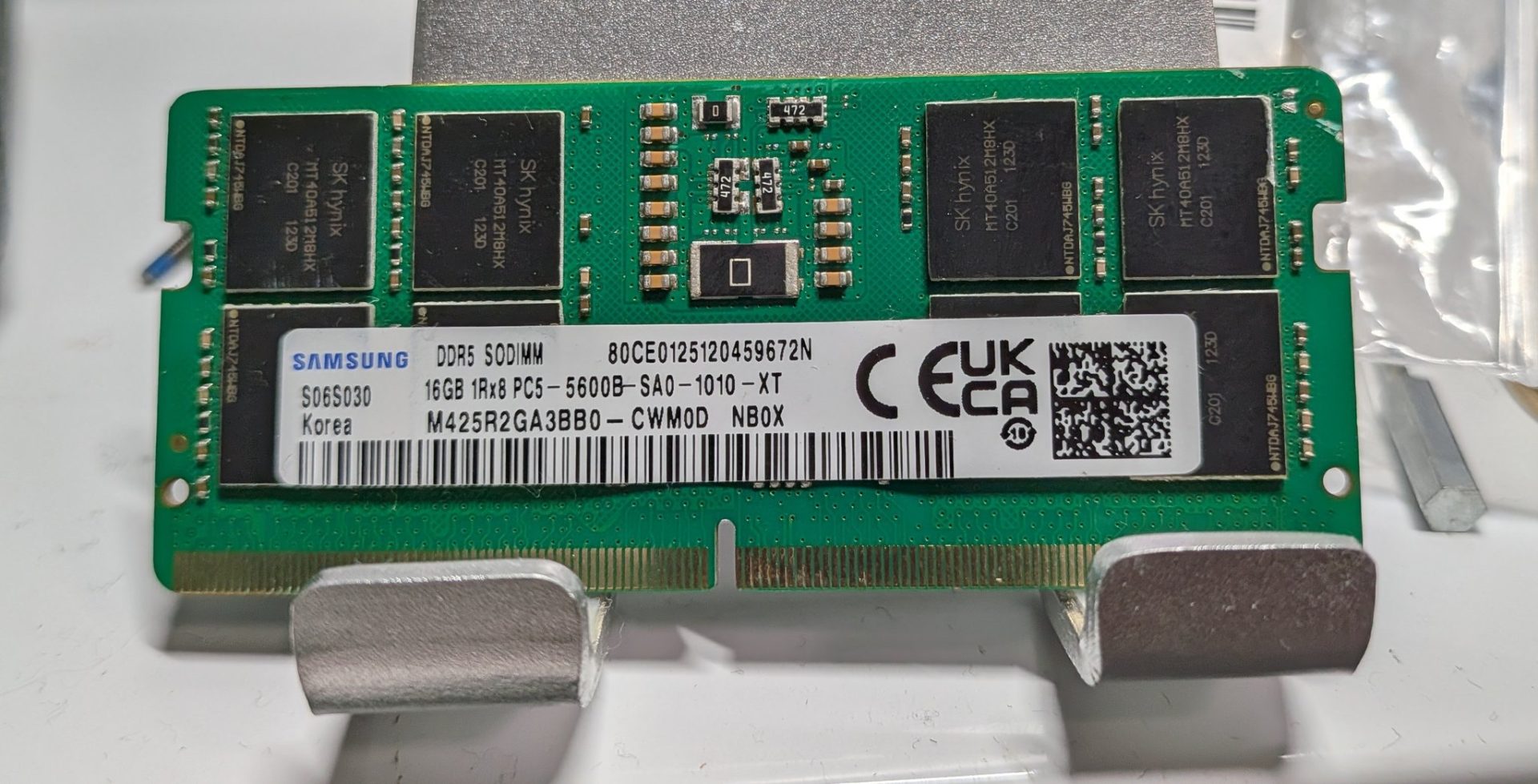
For power users accustomed to upgrading every 18–24 months, the prolonged shortage introduces uncertainty. While newer generations of SSDs and DDR5 modules will still arrive on schedule, the scarcity means prices may stay elevated longer than expected. Those planning builds or upgrades should factor in lead times, as even high-end configurations may require patience.
The situation contrasts with past memory cycles, where shortages lasted roughly two years before easing. This time, the demand from AI infrastructure appears to have altered the timeline, pushing constraints into a period when many users would otherwise be due for refreshes. The result is a market where timing an upgrade is as important as choosing the right hardware.
In practical terms, users may notice longer wait times for specific SSD models or higher RAM capacities, even if benchmarks show no significant performance gains over previous generations. This could lead to a trend of holding onto older systems longer, or opting for mid-range configurations that balance cost and availability.