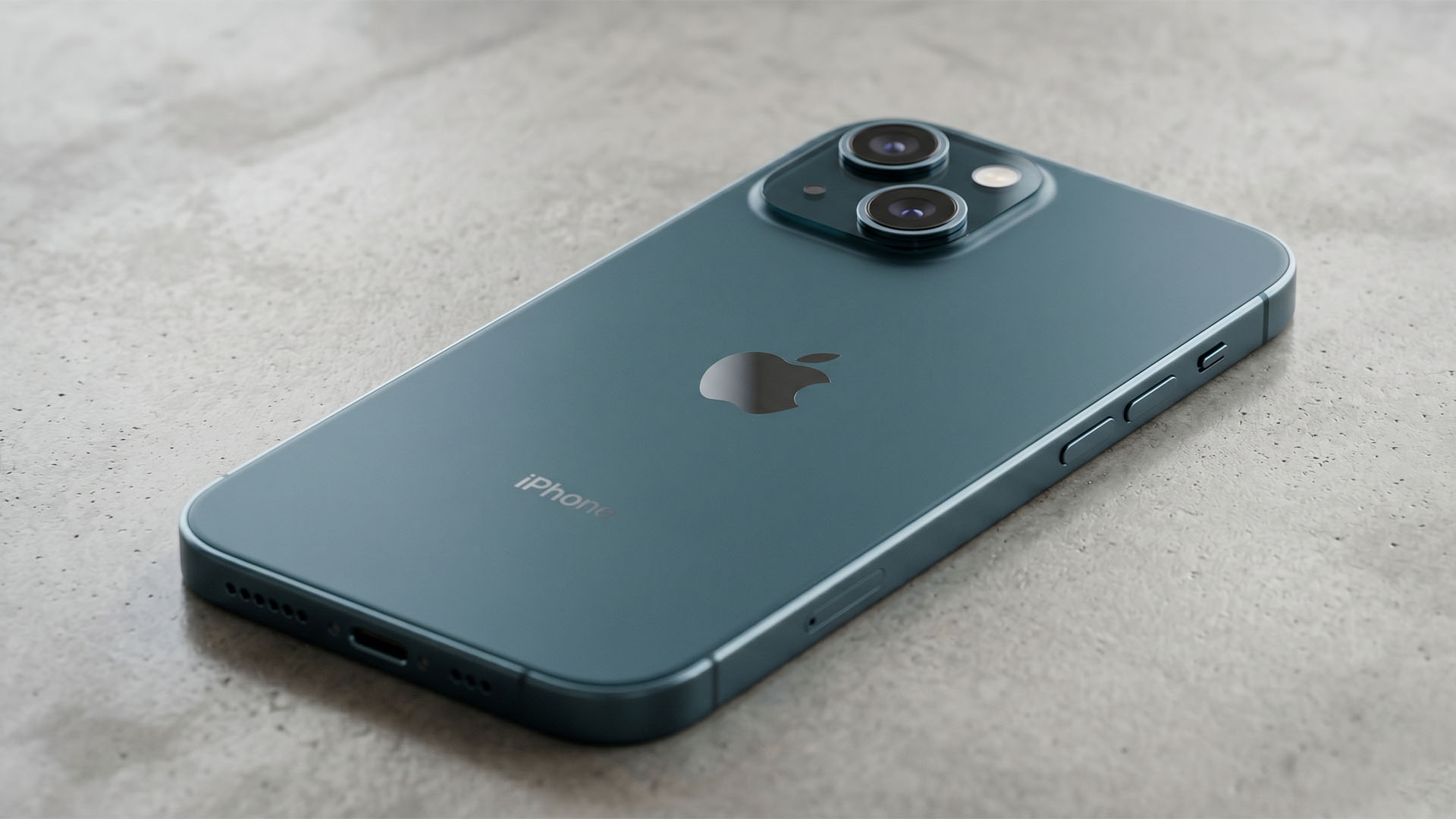
Apple’s grip on the U.S. smartphone market has never been tighter. The company’s iPhone 17 series—particularly the Pro Max model—pushed Apple’s market share to a staggering 69% in Q4 2025, according to recent industry data. This isn’t just a record; it’s a demonstration of how deeply entrenched Apple has become, leaving even its closest competitor, Samsung, trailing far behind.
The numbers tell the story: total U.S. smartphone sales grew by just 1% year-over-year, but Apple’s dominance was the driving force. The iPhone 17 Pro Max emerged as the top-selling model across major carriers like AT&T, T-Mobile, and Verizon, where Apple’s share reached as high as 89%—a level of concentration that would make antitrust regulators sit up.
Samsung, meanwhile, saw its market share drop to 13%, a decline that underscores the challenges of competing in a market where Apple’s ecosystem, carrier partnerships, and promotional incentives create an almost insurmountable barrier. The Korean giant’s struggles aren’t just about hardware; it’s about breaking through a system where Apple controls the narrative from launch to loyalty programs.
Why Apple’s lead matters
Apple’s success isn’t just about raw numbers—it’s about how those numbers translate into real-world control. The company’s ability to generate over $143 billion in revenue from iPhone sales alone in Q1 2026 highlights how deeply its smartphone business fuels the entire corporation. More than half of Apple’s total revenue now comes from iPhones, a figure that dwarfs competitors and insulates the company from economic fluctuations in other segments.

For consumers, this means limited choice. While Samsung’s Galaxy S26 lineup—expected to launch soon—could offer attractive promotions and early adopter incentives, the question remains: Will they be enough to dent Apple’s dominance? Historically, Samsung has relied on aggressive discounts and bundled accessories to lure buyers, but in a market where Apple’s ecosystem (iMessage, AirDrop, seamless updates) is a major selling point, those tactics may only go so far.
Samsung’s slim chance at a comeback
Samsung isn’t standing idle. The upcoming Galaxy S26 series, along with its planned foldable flagships later in the year, could provide a brief window for the company to regain some ground. Early promotions—free cases, extended warranties, or trade-in deals—are likely to be part of the strategy. However, without a significant shift in consumer perception or a major innovation that Apple hasn’t already addressed, Samsung’s efforts may only slow the decline rather than reverse it.
Apple’s next move, the iPhone 18 series, isn’t expected until Q3 2026, giving Samsung a rare opportunity to capture attention. But with rising DRAM prices threatening to inflate smartphone costs, Apple’s ability to absorb those expenses—thanks in part to its booming Services division, which generated $30 billion in Q1 2026—means the company can afford to keep its pricing competitive while still maintaining healthy margins.
For now, Apple’s dominance in the U.S. smartphone market is unshakable. The iPhone 17’s success, combined with carrier partnerships and an ecosystem that rivals can’t replicate, has created a fortress that even Samsung’s best efforts struggle to breach. Until a competitor emerges with a breakthrough in hardware, software, or consumer appeal, Apple will continue to set the pace—leaving others to chase.