Apple’s journey in augmented reality has taken an unexpected turn, one that could redefine how the tech industry approaches wearable innovation.
The company is said to be scaling back on its investment in the Vision Pro headset—a device that, despite its technical prowess, has not lived up to expectations. Launched in early 2024 at a premium price of $600, the Vision Pro featured a groundbreaking micro-OLED 3D display system with 23 million pixels and a 3 nm M5 SoC, a chip typically reserved for high-performance MacBooks. Even after a refresh in late 2025, sales remained sluggish, leading to quiet but significant strategic reconsideration.
What might have been anticipated was Apple doubling down on refining the Vision Pro—lighter designs, more affordable pricing, and deeper integration of immersive features. Instead, insiders suggest a pivot toward a smart glasses form factor that prioritizes wearability over raw performance. This shift reflects broader industry trends where devices are increasingly designed for daily use rather than as standalone powerhouses.
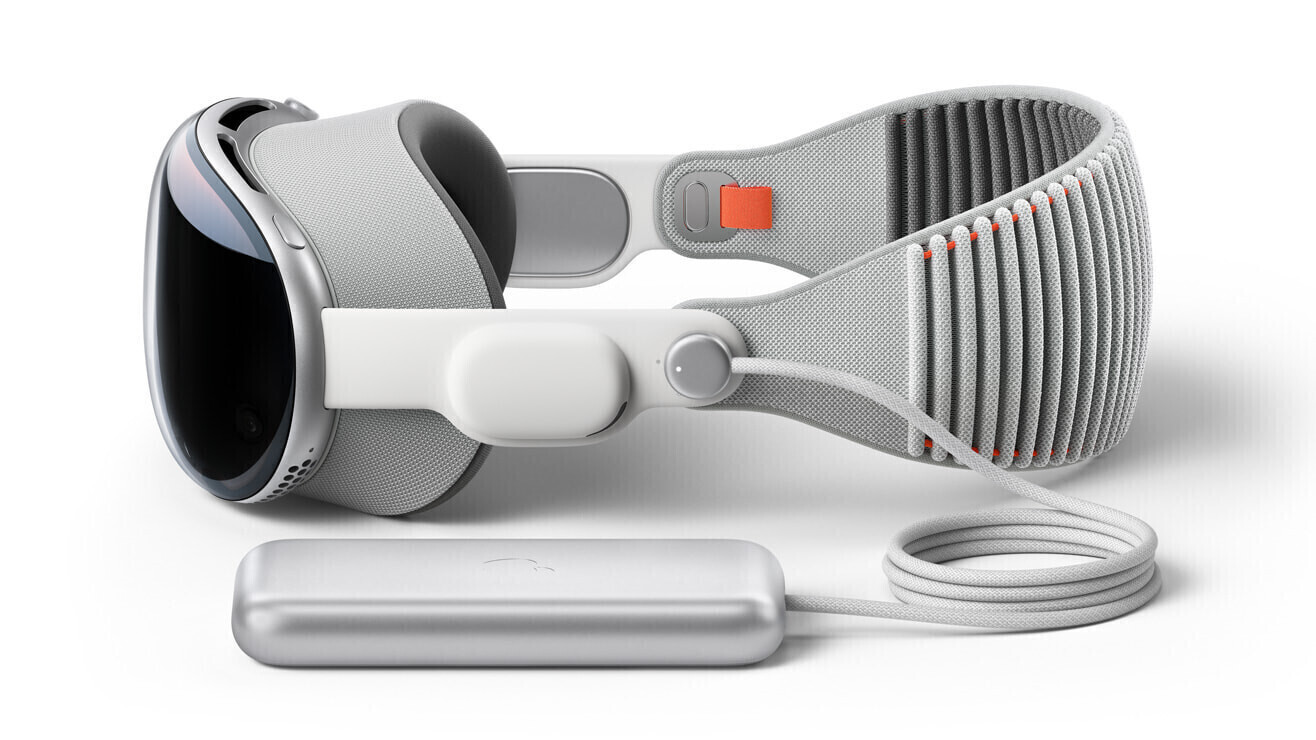
- A move away from the Vision Pro’s current architecture, which relies on a high-performance M5 SoC that may be too power-hungry for a glasses-like form factor.
- An initial focus on basic features—cameras, audio, and minimal computing—to gauge market interest before expanding into more advanced capabilities.
- A potential timeline of 12 to 18 months for this new product, depending on development speed and consumer feedback.
The challenge remains: while the shift toward smart glasses makes logical sense, its success hinges on factors beyond technical specifications. Competition from established players, supply chain constraints, and pricing will all influence whether Apple’s new direction gains traction or becomes another example of high-stakes innovation without widespread adoption.
For now, attention is focused on what comes next. Tech enthusiasts and industry observers should keep an eye on updates regarding the Vision Pro’s future—if any—and the potential introduction of a more affordable, lightweight alternative. If Apple can balance performance with wearability, this pivot could mark a turning point in wearable technology, one that prioritizes everyday utility over cutting-edge ambition.