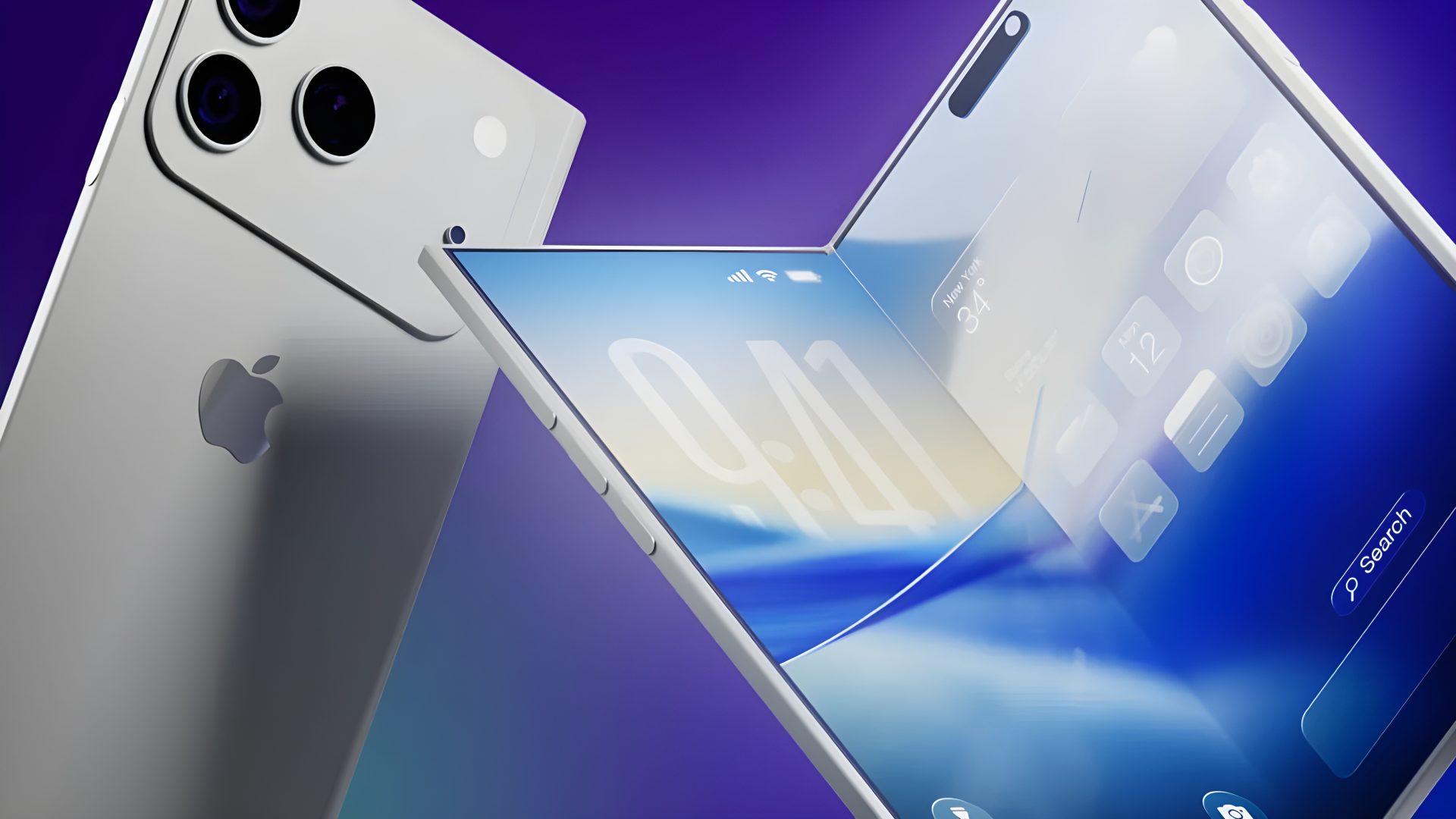
Apple is quietly building the foundation for what could become one of the most significant shifts in smartphone AI since Siri first arrived.
The next major version of iOS, codenamed 27, is reportedly preparing to introduce four new AI-driven features that will alter how users navigate their devices. What’s notable isn’t just the presence of these tools—it’s the quiet way Apple is laying the groundwork, ensuring they integrate seamlessly without disrupting the core experience.
This isn’t a one-off update. It’s part of a larger strategy to embed AI deeper into iOS, making it more responsive, intuitive, and cost-effective for both users and developers. The stakes? Operational efficiency, market dominance, and setting new benchmarks for what smartphone software can achieve without sacrificing performance.
What’s Confirmed
- AI-powered on-device image editing with advanced filters and real-time adjustments.
- An expanded Siri that supports third-party app integrations, allowing it to pull data directly from apps without opening them.
- A new 'Smart Suggestions' feature that learns user behavior across apps and preemptively offers relevant content or actions.
- Enhanced privacy controls for AI interactions, giving users granular options over how their data is used.
The confirmed details paint a picture of an iOS that’s becoming more proactive. The image editing tool, for example, will let users tweak photos without leaving the Photos app—something competitors like Google and Samsung have been racing to catch up on. But the real innovation lies in how these features are designed to work together.
What’s Claimed
Industry insiders suggest that iOS 27 will also introduce a background AI processing system that runs on Apple’s custom silicon, reducing the need for cloud reliance. If true, this could significantly lower operational costs for users by cutting data usage while improving response times.

There’s also talk of an 'AI Assistant' mode that lets users toggle between different AI personalities—helpful, creative, or analytical—depending on their needs. This isn’t just a gimmick; it’s a nod to Apple’s long-term goal of making AI feel personal without sacrificing privacy.
Reality Check
The promises are bold, but the execution is where skepticism creeps in. Apple has a history of delivering polished software, but whether these features will live up to expectations depends on how well they’re optimized for older devices. Not every iPhone can handle advanced AI processing, and battery life could take a hit if background tasks aren’t managed carefully.
Market Impact
If Apple pulls this off, the implications are massive. The company is already leading in smartphone market share, but adding AI depth to iOS could solidify its position for years. Competitors like Google and Samsung will scramble to match these features, potentially driving a new wave of innovation across the industry.
For everyday users, the operational cost savings—less data usage, faster responses—could be the biggest win. But the real question is whether Apple can make AI feel natural without making it intrusive. That’s where the test lies.
Where Things Stand Now
The groundwork for iOS 27 is being laid now, but the full picture won’t emerge until beta testing begins. What’s clear is that this isn’t just another software update—it’s a strategic move with long-term implications for Apple’s ecosystem and the broader smartphone market.