The computing landscape is evolving rapidly, with a growing demand for devices that balance performance, portability, and power efficiency. A new collaboration between two industry leaders—MediaTek and NVIDIA—aims to address this by introducing RTX Spark, a groundbreaking processor designed to power the next generation of Windows PCs. This partnership merges MediaTek's strengths in high-performance CPU design with NVIDIA's advanced AI platform, promising significant advancements in local AI computing, content creation, and gaming experiences.
RTX Spark is positioned as a game-changer for slim laptops and small form factor desktops, offering cinematic graphics and localized AI power without compromising on efficiency. Unlike traditional GPUs that prioritize raw performance at the cost of power consumption, RTX Spark focuses on delivering high performance while maintaining low power usage—a critical factor in today's mobile and compact computing devices.
This collaboration builds on MediaTek's established presence in entry-level silicon markets and extends its reach into the premium Windows PC segment. While MediaTek has long dominated the lower-tier market with its AI processors, this partnership allows it to compete in a higher-value segment where margins are more substantial. The result is a processor that combines NVIDIA's RTX technologies with MediaTek's expertise in power efficiency and system integration.
Technical Innovations Behind RTX Spark
- High-Performance Engine (CPU & Cache): Delivers raw compute power for stability and speed, ensuring smooth performance across a variety of applications.
- Masterful System Integration: MediaTek's low-power design expertise, combined with TSMC's manufacturing prowess, enables tight integration of CPU, memory, and other subsystems, optimizing performance while maintaining an ultra-low power profile.
- Massive Memory Architecture: A proprietary memory controller supports up to 128 GB of unified memory, catering to demanding workloads such as AI agents and high-end gaming.
- Intelligent Power Management: Leveraging MediaTek's PMIC technologies, this feature drastically reduces power consumption, extending battery life even under heavy workloads.
- Ultra-Low Latency Wireless Connectivity: Fully integrated with MediaTek's leading-edge silicon, ensuring seamless and lag-free connectivity for gaming, content creation, and hybrid AI workloads.
The first wave of laptops powered by RTX Spark is expected to hit the market in Fall 2026. This processor is designed to cater to a broad range of users, from creators and developers to gamers, offering advanced local AI experiences without the need for cloud dependency. The combination of NVIDIA's graphics architecture with MediaTek's power efficiency focus creates a unique value proposition for consumers seeking high performance in thin and light form factors.
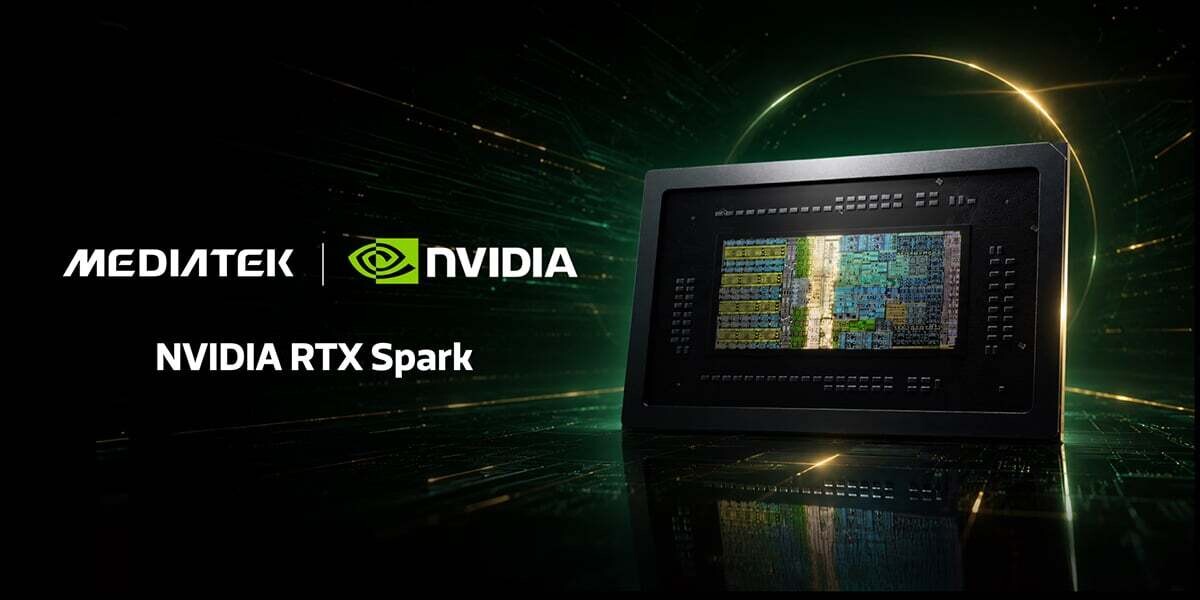
This partnership also signals a strategic shift for MediaTek, moving beyond its stronghold in Chromebooks to compete in the more lucrative Windows PC market. While MediaTek has already made significant strides in AI processors, this collaboration allows it to leverage NVIDIA's full-stack AI platform, opening new possibilities for innovation and market expansion.
Industry Impact and Future Outlook
The introduction of RTX Spark is poised to redefine the PC industry by setting a new benchmark for performance, efficiency, and versatility. For consumers, this means access to advanced AI capabilities, high-end gaming graphics, and extended battery life—all in devices that are thin, light, and power-efficient. This collaboration also underscores the importance of partnerships between industry leaders in driving technological advancements.
While the full impact of RTX Spark remains to be seen, its potential to revolutionize the PC market is evident. By combining MediaTek's expertise in power efficiency with NVIDIA's AI and graphics technologies, this processor could set a new standard for what consumers expect from their devices. The focus on local AI computing also addresses growing concerns about data privacy and cloud dependency, offering users more control over their digital experiences.
The first laptops powered by RTX Spark are expected to debut in Fall 2026, marking the beginning of a new era for Windows PCs. As this technology matures, it will be interesting to see how it shapes the future of computing, balancing performance with efficiency and pushing the boundaries of what is possible in portable devices.