The iPhone Ultra’s introduction of a vapor chamber marks a significant departure from Apple’s traditional cooling approach, potentially offering more stable thermal performance under sustained workloads. While this feature is new to the iPhone lineup, its real-world effectiveness remains untested, and it may not necessarily outperform existing solutions in all scenarios.
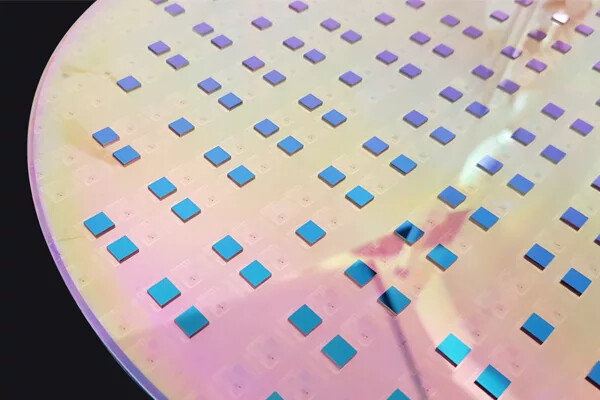
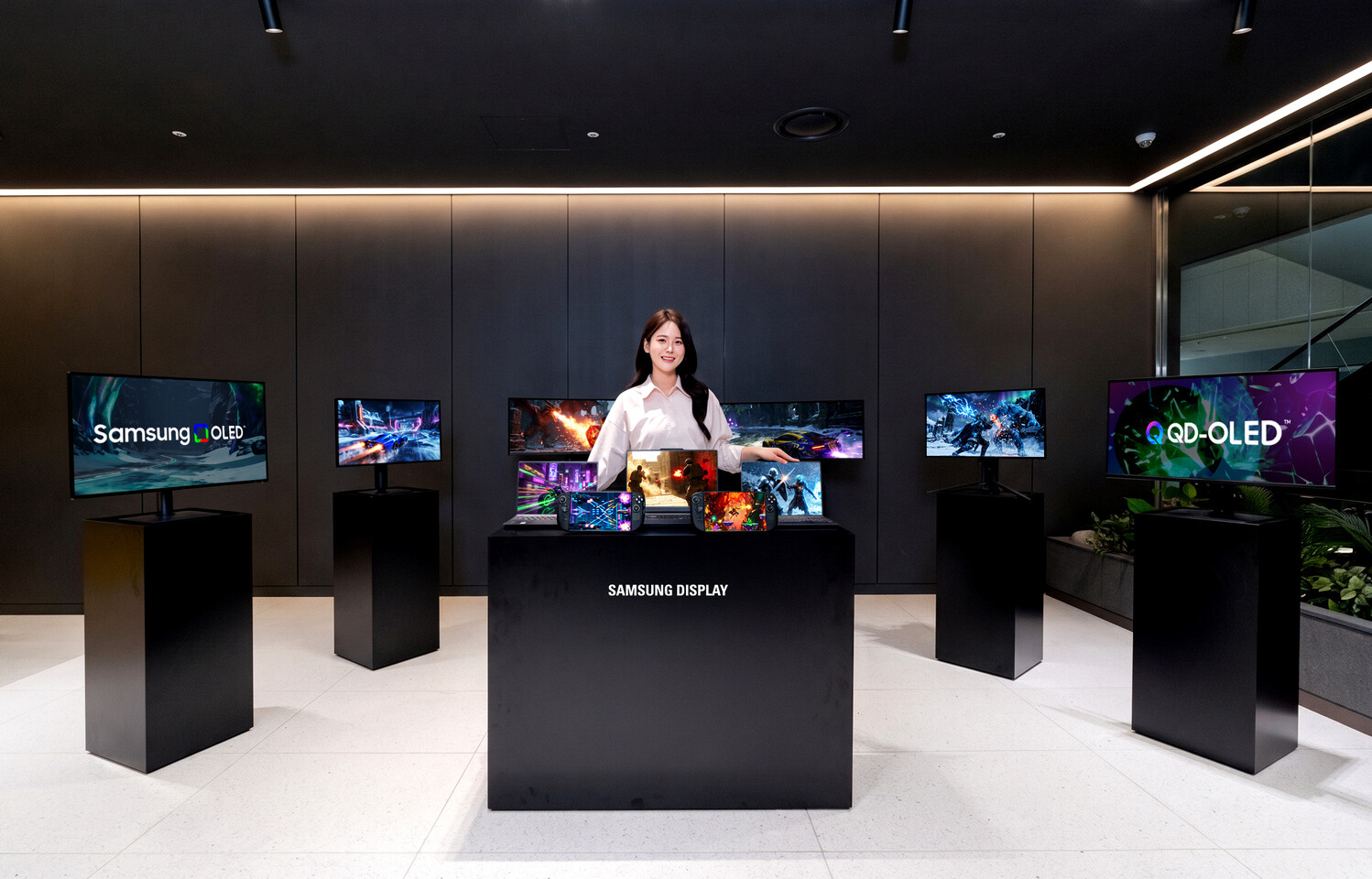
This model also uses Samsung’s M14 OLED display, which, while slightly older than the M16 found in the Pro models, delivers high brightness and deep blacks with efficient power consumption. The trade-off is a less advanced panel compared to the iPhone 18 Pro and Pro Max, which feature the brighter and more efficient M16 OLED.
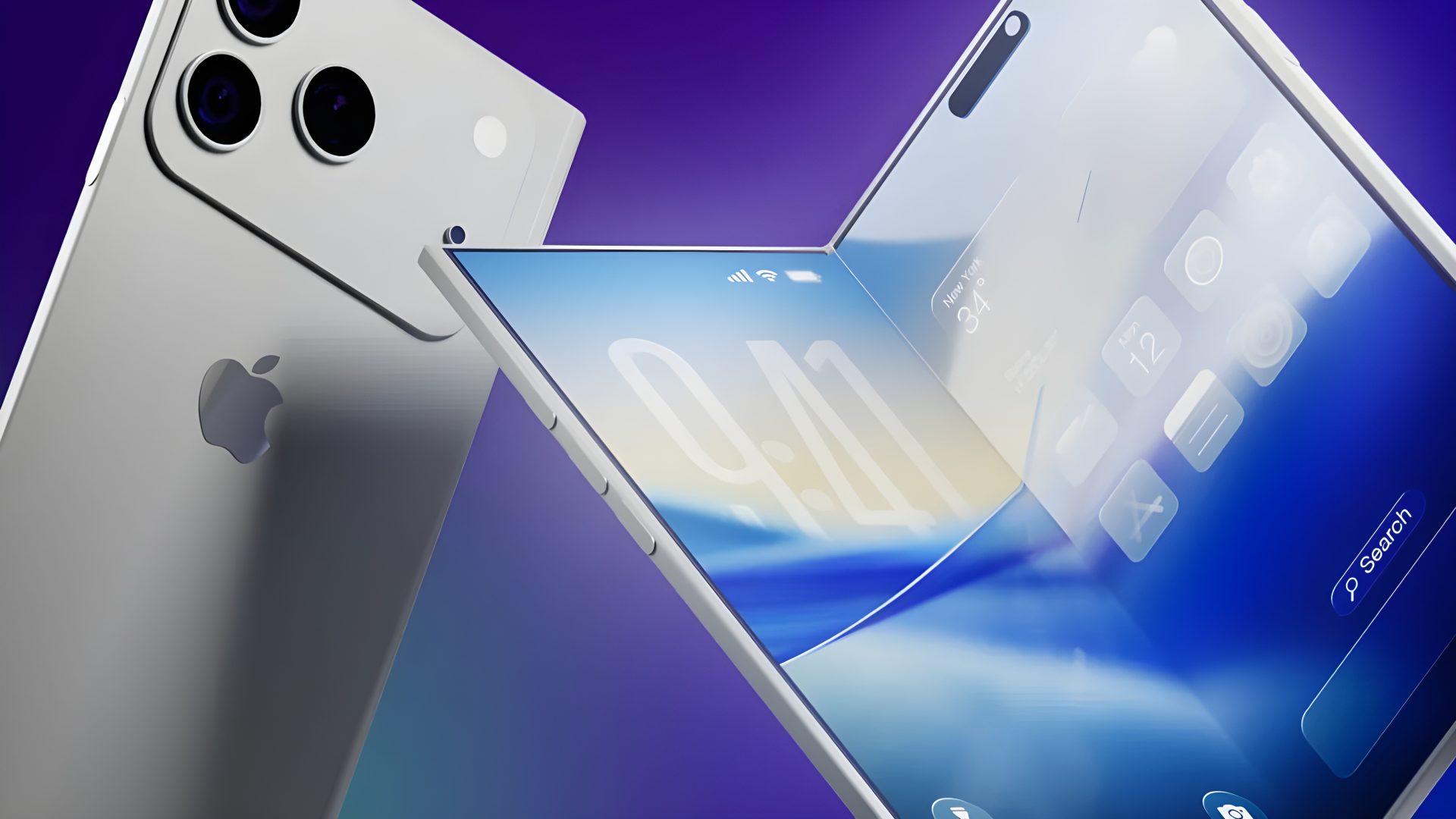
- iPhone Ultra: Samsung M14 OLED (up to 2,000 nits peak brightness)
- iPhone 18 Pro / Pro Max: Samsung M16 OLED (up to 3,000 nits peak brightness)
The vapor chamber is designed to maintain more consistent temperatures during prolonged use, which could benefit users running demanding tasks or games. However, its long-term reliability and advantages over Apple’s current cooling methods are still unknown.
For businesses looking to balance performance and efficiency, the iPhone Ultra’s vapor chamber may provide a noticeable improvement in thermal stability, though the display trade-off might be more apparent in media consumption rather than productivity tasks.
The distinction between the Ultra and Pro models suggests Apple is refining its tiered strategy, emphasizing thermal management in the Ultra while pushing brightness and display advancements in the Pro lineup. Whether this approach will resonate with users depends on how much value they place on these differentiators.