Apple’s iPhone 18 launch is shaping up to be a defining moment in how the company handles one of the most volatile components in modern tech: memory. While rivals scramble to adjust prices upward, Apple appears to be considering a bold counterstrategy—absorbing the cost of rising DRAM prices rather than raising the iPhone 18’s starting price. This move, if executed, would mark a rare instance where Apple’s deep pockets and services revenue could directly benefit consumers while reshaping the competitive landscape.
The shift comes as DRAM prices have surged dramatically, with Apple now reportedly paying **$70 for 12GB of LPDDR5X RAM**—a **230% premium** over what it paid at the start of 2025. Traditionally, such cost increases would trickle down to consumers, but Apple’s financial flexibility and reliance on its **$90 billion-plus Services division** (which includes App Store, Apple Music, iCloud, and subscriptions) may allow it to weather the storm without flinching.
Why would Apple do this? The answer lies in both economics and market psychology. By keeping prices flat, Apple could
- Undercut competitors who raise prices, potentially stealing market share from Android brands struggling with inflation.
- Signal stability in a chaotic market, reinforcing its premium positioning without alienating budget-conscious buyers.
- Leverage its Services revenue—currently a steady, high-margin income stream—to offset any short-term losses.
This approach isn’t without precedent. Apple has occasionally absorbed costs in the past, such as during the 2020 chip shortage, when it prioritized supply for its most profitable models over price adjustments. The difference now? The stakes are higher, and the window for action is narrower.
The New DRAM Reality
Apple’s memory negotiations have evolved. Previously, the company locked in DRAM prices every six months, but those deals are now being renegotiated **quarterly**. This rapid turnover means costs can spike or drop faster than ever, forcing Apple to adapt on the fly. Analysts suggest that while LPDDR5X prices are rising sharply, NAND flash (used for storage) increases are more moderate—a potential reason why storage-heavy iPhone models might see less upward pressure than RAM-heavy ones.
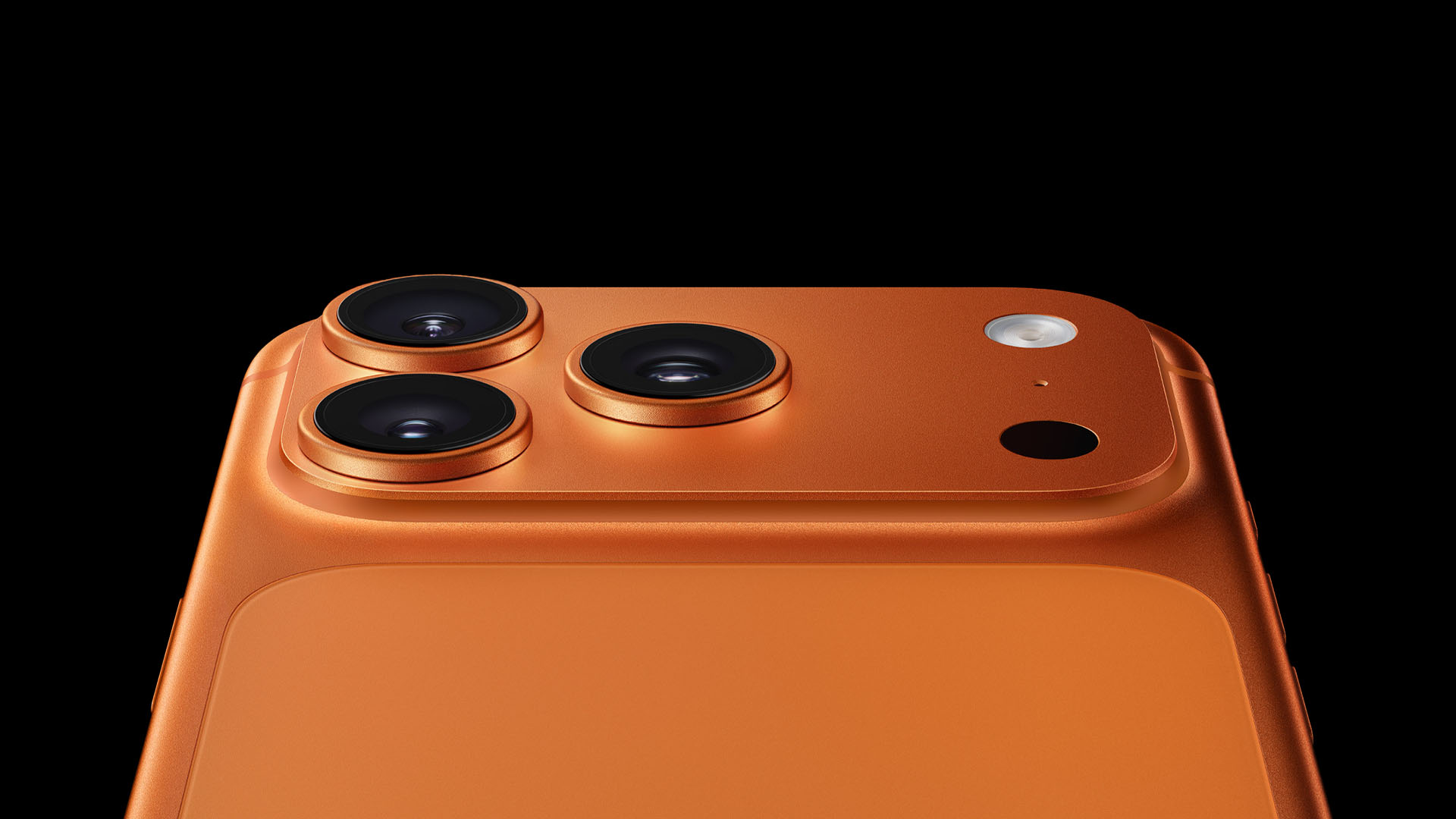
The company’s long-term agreements (LTAs) with suppliers like Samsung and SK hynix currently cover only the **first half of 2026**, leaving room for uncertainty. If Apple fails to secure favorable terms beyond mid-year, the pressure to raise prices could intensify. But for now, the focus is on the iPhone 18’s launch—and whether it will serve as a blueprint for how tech giants handle inflation in an era of supply chain volatility.
Who Benefits?
If Apple sticks to its guns and absorbs the DRAM cost, the winners are likely to be
- Consumers: No price hikes mean the iPhone 18 could remain more accessible than competitors’ flagships, which may raise prices to offset their own supply chain struggles.
- Android OEMs: Brands like Samsung, Google, and OnePlus could face pressure to keep prices competitive, as Apple’s move might expose their own cost-passing strategies.
- Apple’s Services division: With hardware margins potentially squeezed, the company’s subscription ecosystem becomes even more critical. A stable iPhone lineup could drive longer-term engagement with Apple’s ecosystem.
For Apple itself, the strategy carries risk. If DRAM prices continue to climb, the company may eventually need to adjust pricing—or find other ways to offset costs, such as trimming features or reducing storage tiers. But for now, the bet appears to be on using the chaos to its advantage.
What’s Next?
Apple has not confirmed whether the iPhone 18 will retain its current pricing, but the signs point to a deliberate effort to decouple memory costs from consumer prices. The company’s ability to pull this off will hinge on two factors: its negotiating power with suppliers and the resilience of its Services revenue. If both hold, the iPhone 18 could set a new standard for how tech giants handle inflation—not by raising prices, but by absorbing them.
For buyers, this could mean a rare opportunity: a premium smartphone that avoids the usual mid-cycle price creep. For competitors, it’s a wake-up call. And for Apple, it’s a high-stakes gamble—one that, if successful, could redefine the smartphone market’s response to supply chain turbulence.