Apple’s latest compact desktops are running into a wall of demand that’s pushing shipping deadlines past August, with some orders now slated to arrive in September—a delay that could reshape developer workflows and business planning for the remainder of the year.
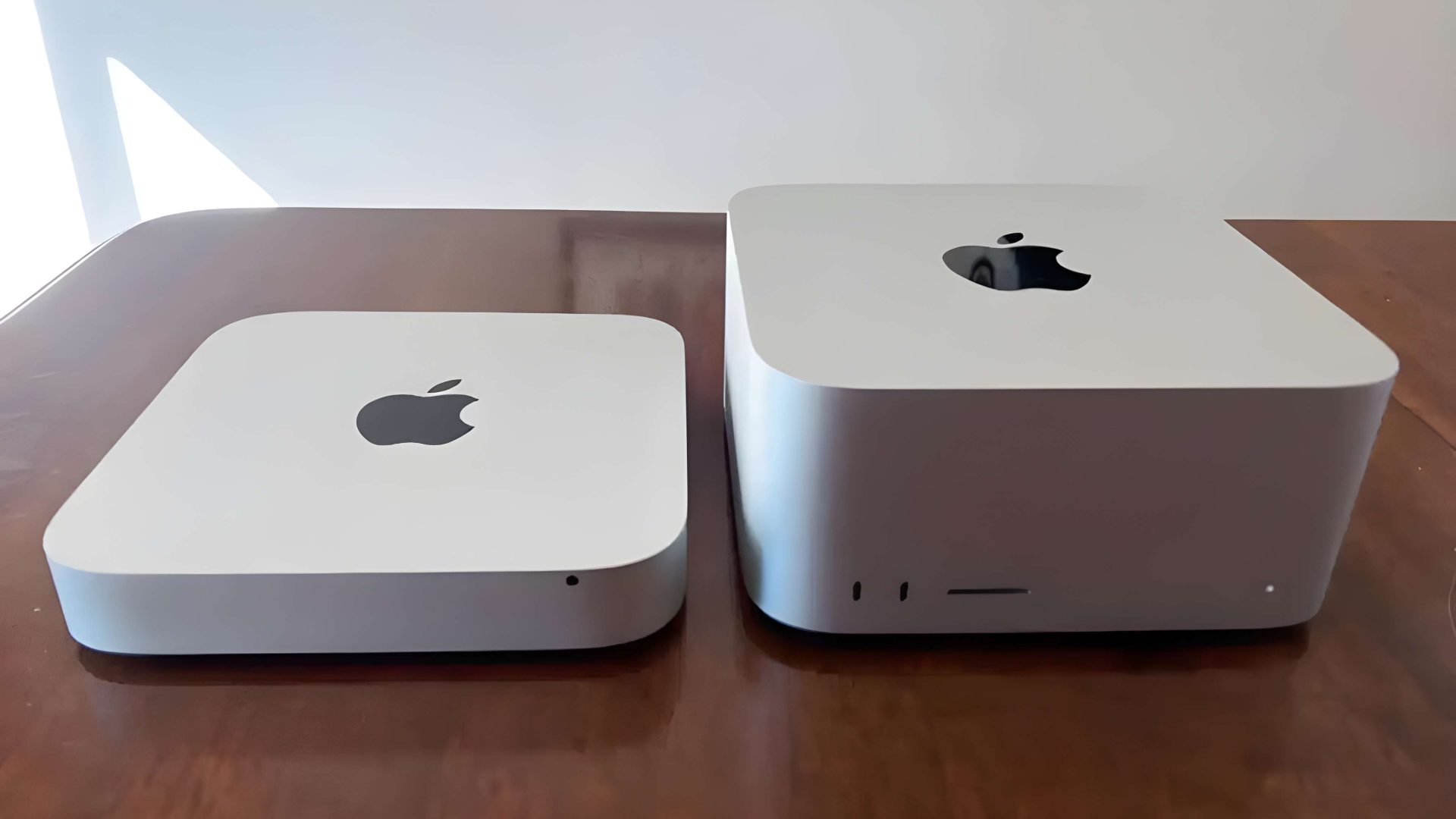
The Mac Mini (M2) and Mac Studio (M1 Max or M1 Ultra) were introduced earlier this year as power-efficient yet capable machines aimed at creatives, developers, and small businesses. But with preorders flooding in faster than Apple’s internal projections, the company has quietly extended delivery estimates to mid-to-late September for some configurations, according to multiple sources close to the supply chain.
This isn’t just a timing issue—it’s a test of how well Apple can manage its own logistics when demand outpaces even its aggressive production scaling. The Mac Studio, in particular, has become a go-to choice for developers working on AI-driven projects or high-performance rendering, thanks to its M1 Ultra chip with up to 64GB of unified memory. Meanwhile, the Mac Mini (M2) remains a favorite for those who need a compact, energy-sipping machine without sacrificing performance.
For businesses and individuals who had planned to deploy these machines by summer, the delay introduces a new layer of uncertainty. Whether Apple can ramp up production or adjust its supply chain to meet this unexpected surge will determine how long these delays last—and whether competitors in the compact desktop space see an opportunity to gain ground.
- The Mac Mini (M2) and Mac Studio (M1 Max/Ultra) are seeing record preorder volumes, pushing Apple’s internal delivery estimates into September.
- Key specs: M1 Ultra in the Mac Studio offers up to 64GB unified memory; Mac Mini (M2) is built around an 8-core CPU and 10-core GPU.
- Delays could impact developer workflows, especially for AI and high-performance rendering tasks.
The question now isn’t just whether Apple can clear this backlog, but how it will respond if demand remains at these levels. If the trend continues, it may force a reevaluation of what ‘just-in-time’ truly means in today’s tech market—especially for platforms that rely on tight integration and limited third-party alternatives.
As of now, Apple has not issued any public updates on shipping timelines, leaving users to navigate extended wait times without clear guidance. Whether this becomes a one-off hiccup or a sign of broader supply chain strain remains to be seen—but for those holding out for a Mac Mini or Studio, patience may be required.