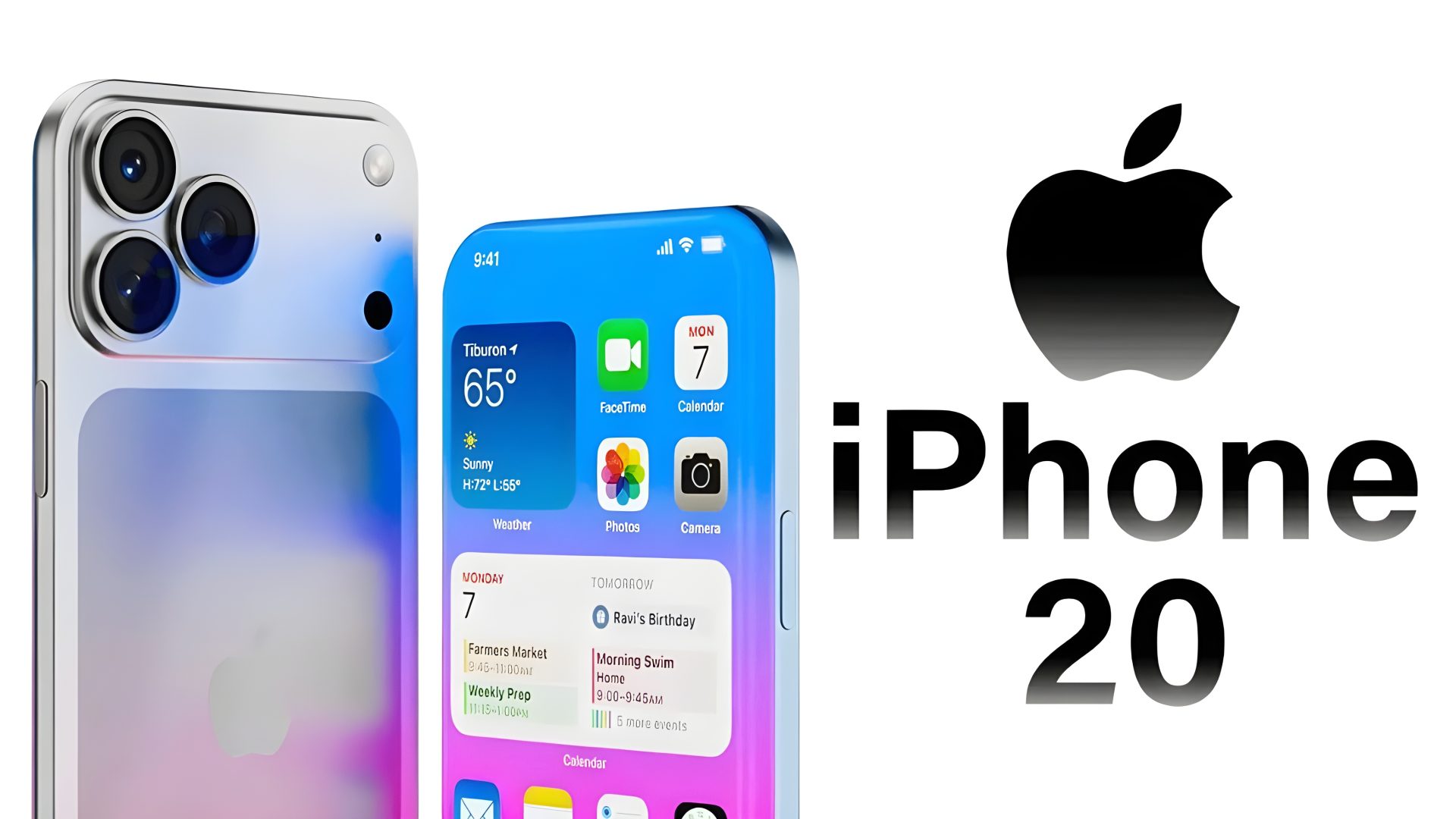
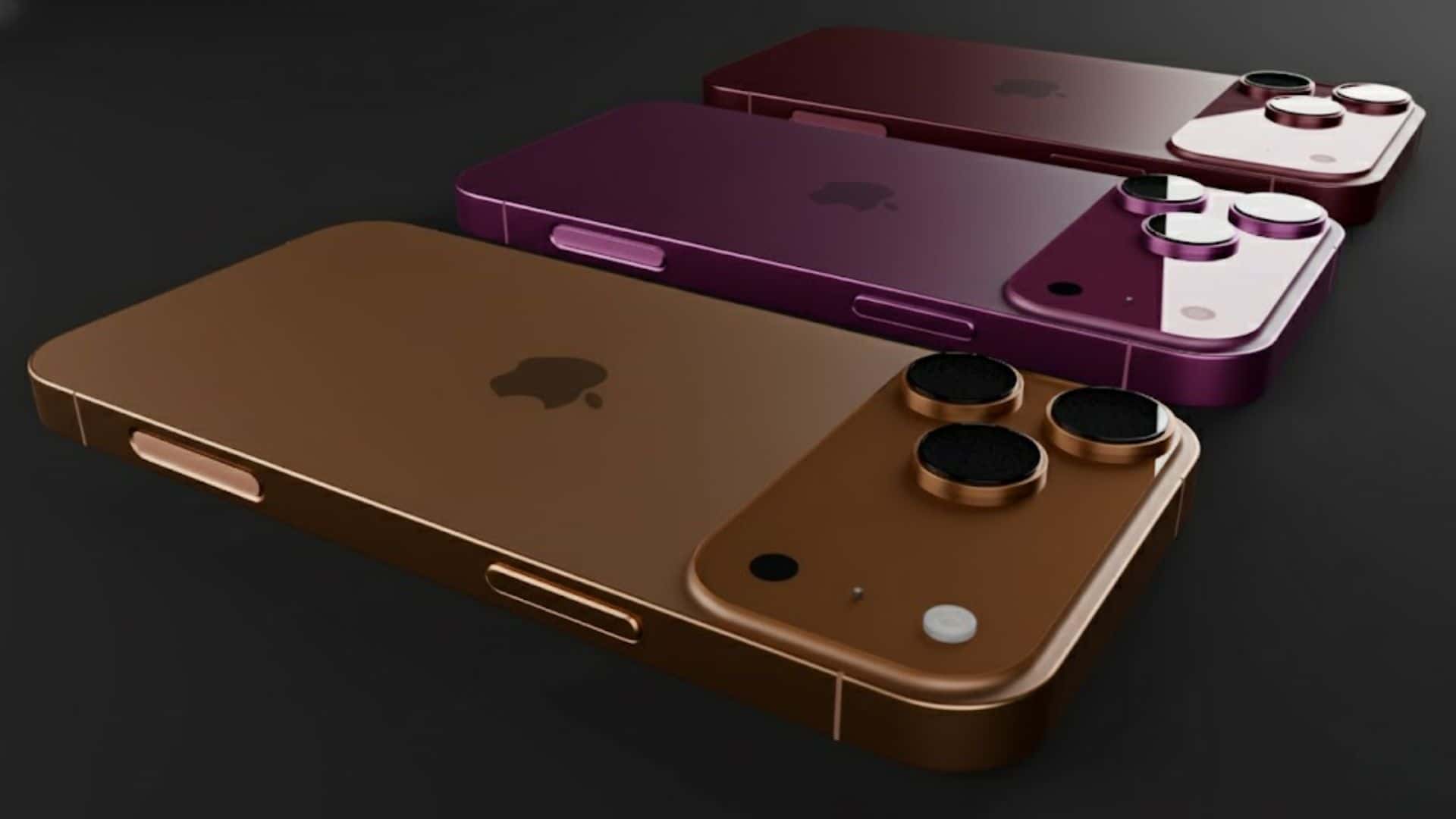
Apple is reportedly preparing to introduce a holographic display into its upcoming iPhone lineup, a move that could redefine how users interact with their devices. This development suggests a growing emphasis on spatial computing in consumer smartphones, potentially setting a new benchmark for augmented reality and holographic interfaces.
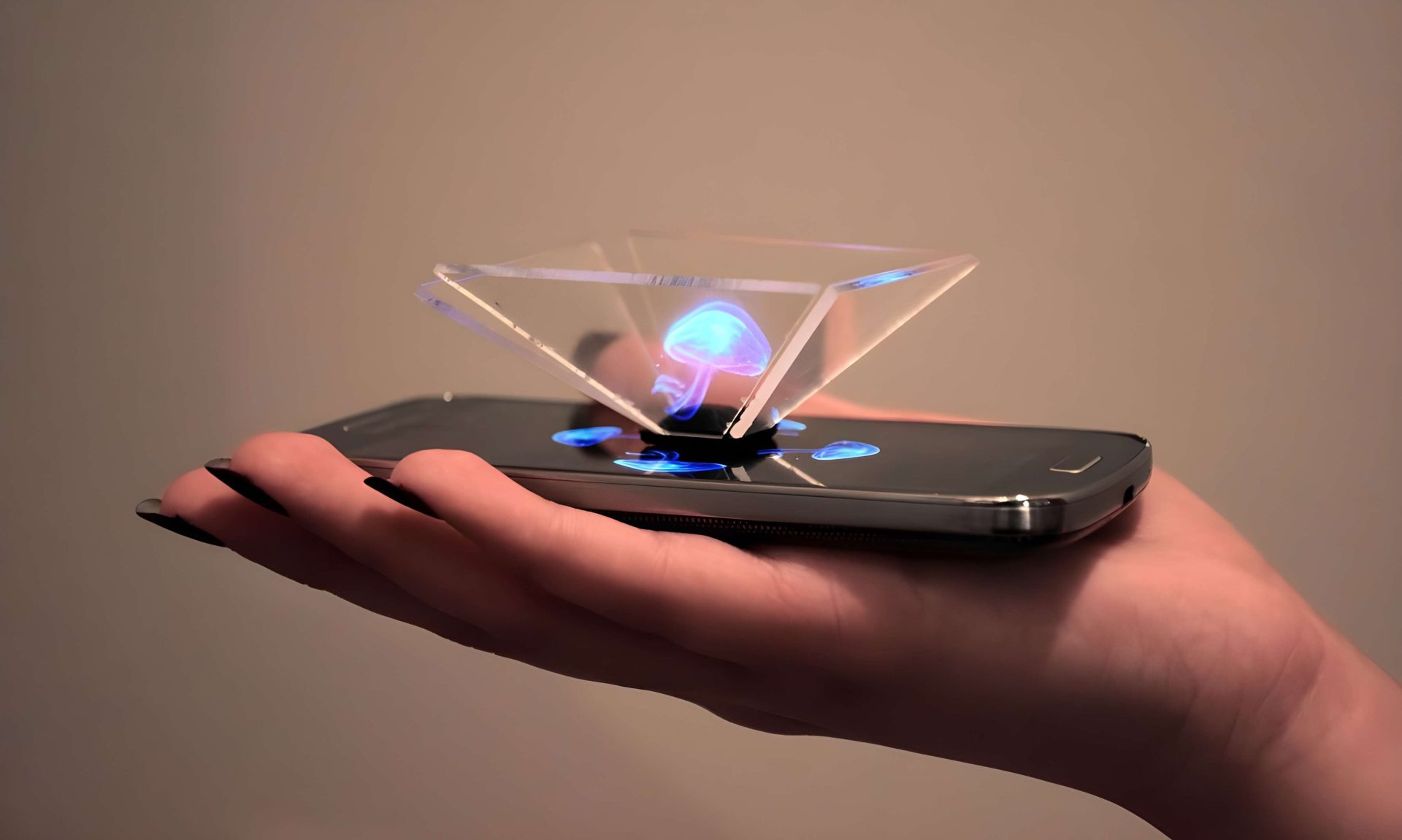
The rumored integration of Samsung's MH1 technology into the next-generation iPhone hints at a strategic partnership between the two tech giants. The MH1 is a microoled holographic display designed to project three-dimensional images, offering a more immersive experience than traditional LCD or OLED screens. If confirmed, this would mark Apple's first foray into holographic displays on a mass-market consumer device.
Key Specifications and Features
- Display: Holographic projection with 3D imaging capabilities, potentially leveraging Samsung's MH1 technology.
- Performance: Expected to be powered by Apple's latest A-series chipset, likely the A18 or a successor, ensuring high computational efficiency for spatial workloads.
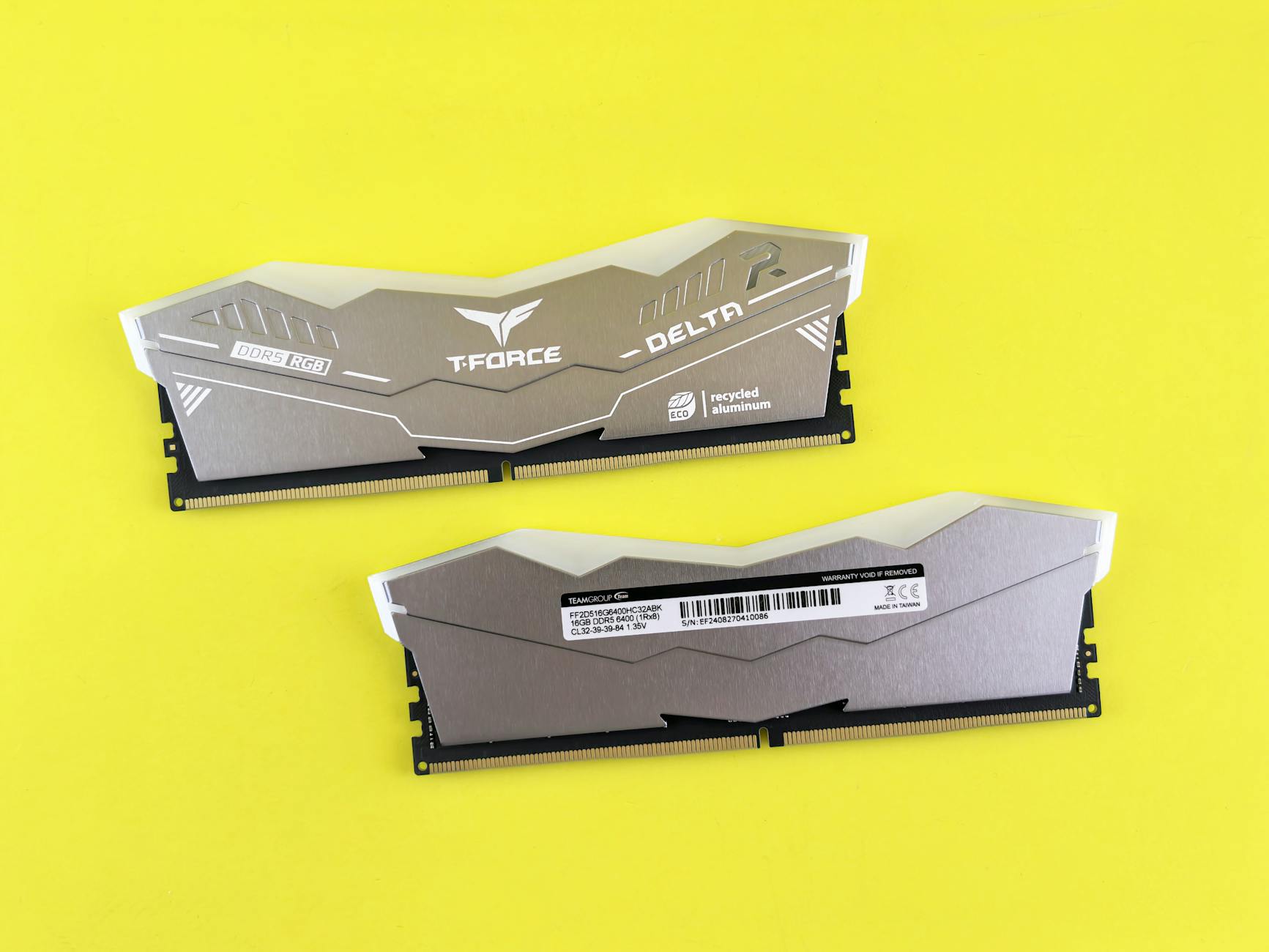
- Memory and Storage: Up to 256GB of unified memory, with options for higher capacities depending on regional availability. The device is expected to support advanced AI processing, optimizing performance for holographic rendering.
The holographic display is anticipated to bring a new dimension to user interaction, enabling gestures and spatial navigation that go beyond traditional touchscreens. However, the technology's integration into a consumer device like the iPhone presents engineering challenges, particularly in terms of power efficiency and thermal management. While Apple has historically focused on refining its existing display technologies, this shift suggests a willingness to experiment with emerging spatial computing paradigms.
The potential impact on workflows for data and AI workloads is significant. A holographic interface could streamline tasks such as 3D modeling, data visualization, or augmented reality applications, making it particularly appealing to professionals in fields like architecture, engineering, or scientific research. However, the practicality of such a display in everyday use remains an open question, with concerns about battery life, screen clarity under different lighting conditions, and the overall user experience.
While the exact specifications and release timeline are still unconfirmed, industry insiders suggest that Apple is actively testing prototypes to refine the technology before its commercial launch. The company's reputation for meticulous engineering suggests that any holographic iPhone would undergo rigorous optimization to ensure reliability and performance. If successful, this could set a new standard for spatial computing in consumer electronics, influencing competitors to accelerate their own investments in similar technologies.
The next-generation iPhone with holographic capabilities is expected to debut in late 2025 or early 2026, pending further development and testing. While the full extent of its features remains speculative, this rumored integration signals a potential turning point for Apple's approach to mobile interfaces, blending innovation with practicality.