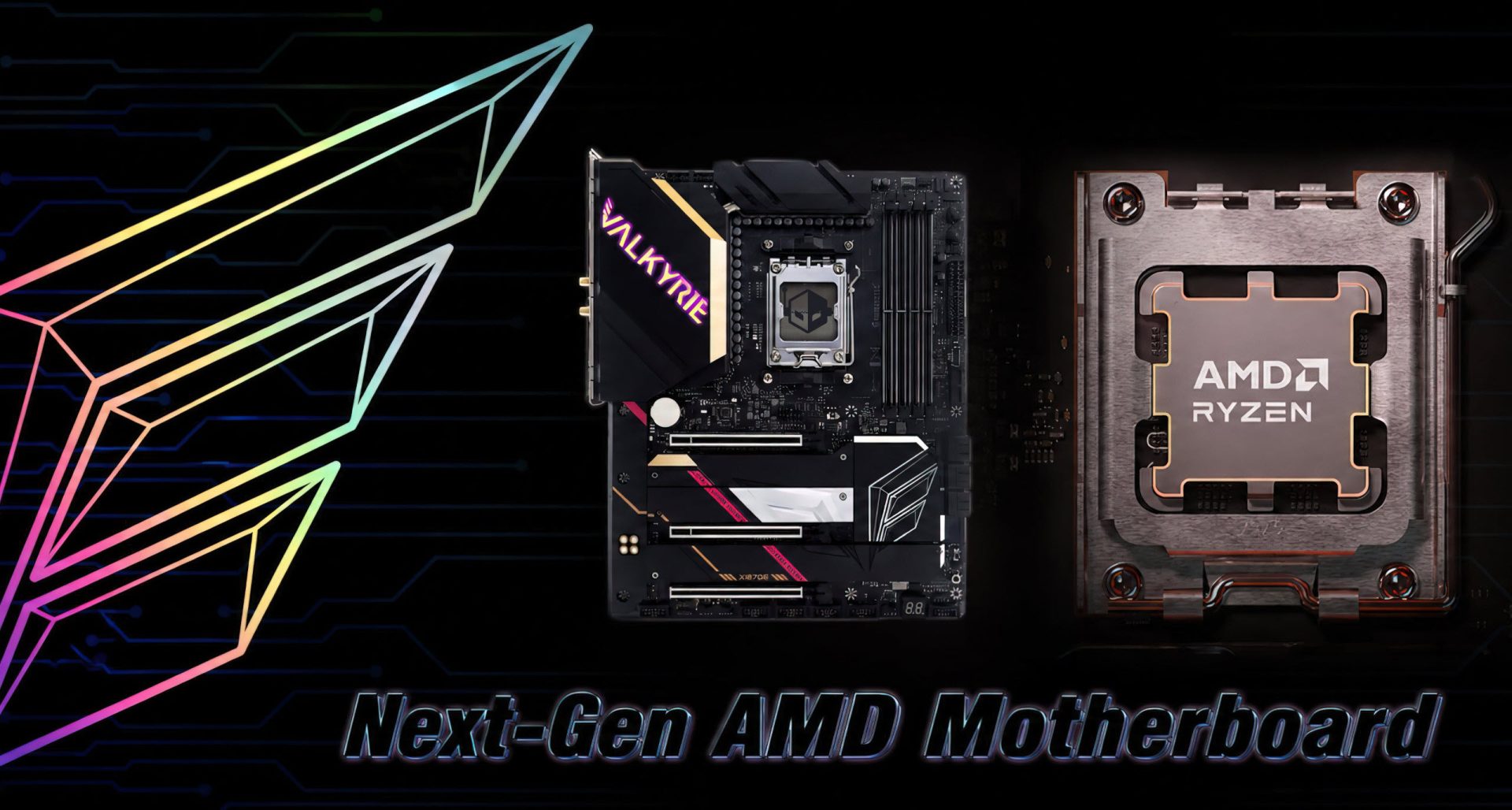
For small businesses and tech-savvy buyers, the timing of a new processor generation can be just as important as the hardware itself. Biostar’s recent tease of motherboards designed for AMD’s upcoming Ryzen Zen 6 architecture suggests that the first wave of these boards may arrive sooner than expected, potentially pushing upgrade decisions earlier in 2026.
While details remain scarce, the hint points to a platform built around AMD’s next leap in CPU design. If this proves to be the case, buyers will need to weigh whether holding onto current hardware or jumping on Zen 6 is the smarter move—especially when it comes to value for money and long-term compatibility.
Key Specs and What They Mean
- Socket: AM6 (expected, based on past patterns)
- Chipset: Likely a new generation with improved PCIe 5.0 support
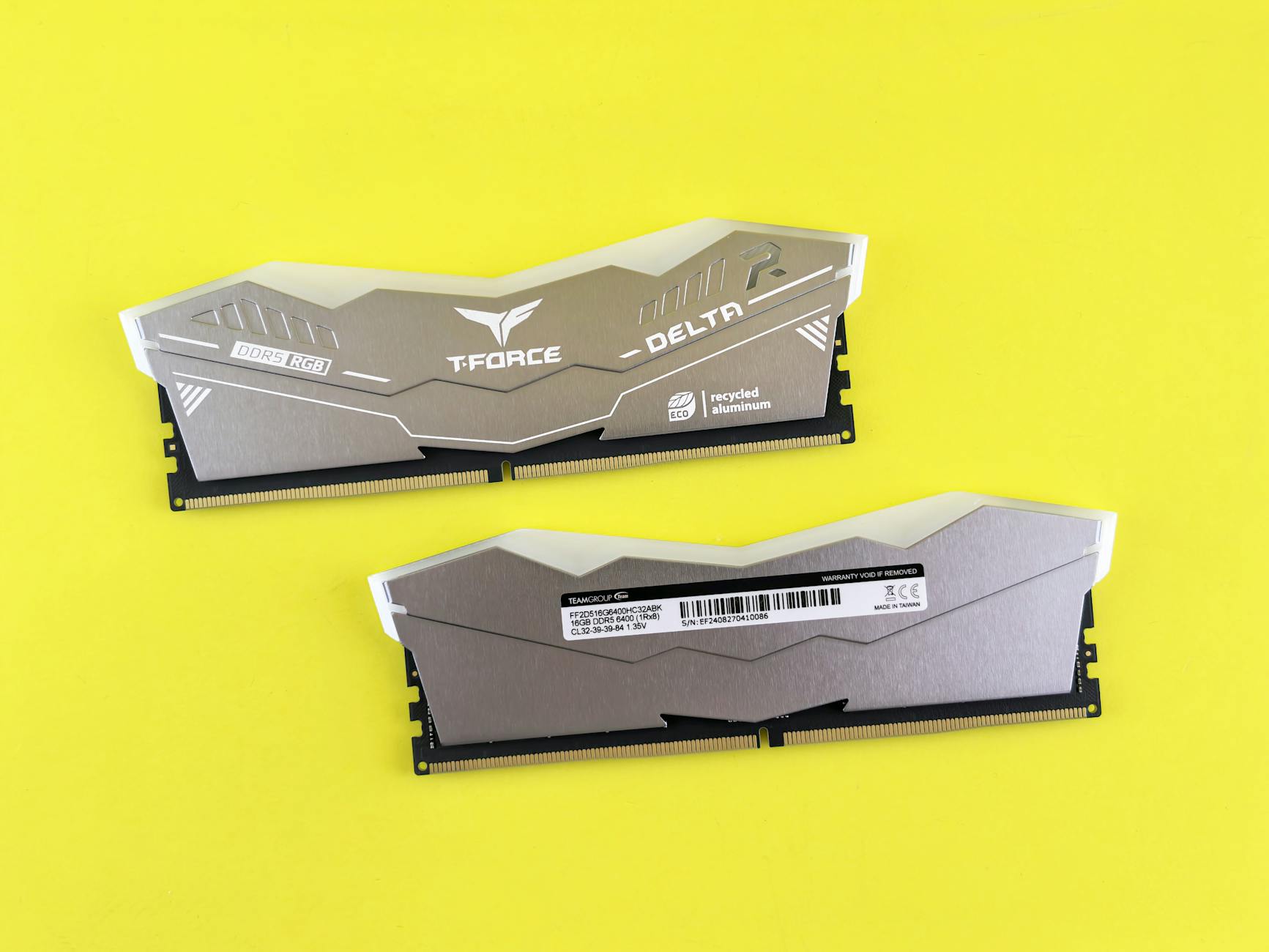
- Memory: DDR5-6400+ support, with potential for future upgrades to higher speeds
- Storage: M.2 slots with PCIe 5.0 x16 compatibility (for ultra-fast NVMe SSDs)
- Connectivity: Wi-Fi 7 and Bluetooth 5.4, along with expanded USB 4.0 ports
The focus on DDR5-6400+ memory and PCIe 5.0 storage slots suggests a platform optimized for high-performance workloads—whether that’s data-heavy tasks for small businesses or gaming setups. However, the lack of confirmed pricing or release dates means buyers will need to stay vigilant for official announcements.
Who Should Care and Why
Small businesses with growing storage needs or those planning to adopt AI-driven tools may find Zen 6 motherboards appealing, given the emphasis on faster memory and storage. But the real question is whether the performance gains justify an upgrade before existing hardware has reached its end-of-life cycle.
The tease also raises the possibility of a competitive pricing strategy from Biostar, which could make these boards more accessible than previous generations. If that holds true, buyers might see better value sooner rather than later—though whether it’s enough to sway decisions remains to be seen.
For now, the landscape is still evolving. Buyers should keep an eye on official announcements for confirmation on specifications, pricing, and availability. The shift toward Zen 6 could either accelerate upgrade cycles or prove to be a more measured transition—depending on how AMD and Biostar position these motherboards in the market.