In the quiet hours before Google’s I/O keynote, Apple quietly rolled out a significant update to Siri—one that blurs the line between voice assistant and autonomous agent. The change allows Siri to handle more intricate tasks without constant user input, a feature set that mirrors recent advancements in AI-driven accessibility tools.
The update introduces a new layer of functionality to Siri, enabling it to manage multiple steps of a task—such as booking travel or setting up calendar events—with minimal intervention. This isn’t just about convenience; it’s a shift toward making voice interactions more fluid and less reliant on manual prompts. For users accustomed to the rigid structure of traditional voice assistants, this could represent a meaningful leap forward.
But timing is everything in tech, especially when major players like Apple and Google are involved. The rollout occurred just hours before Google’s I/O event, where similar advancements were expected. While Apple has not explicitly addressed the timing, industry observers note that such moves often serve dual purposes: showcasing innovation while subtly positioning a product against upcoming competitors.
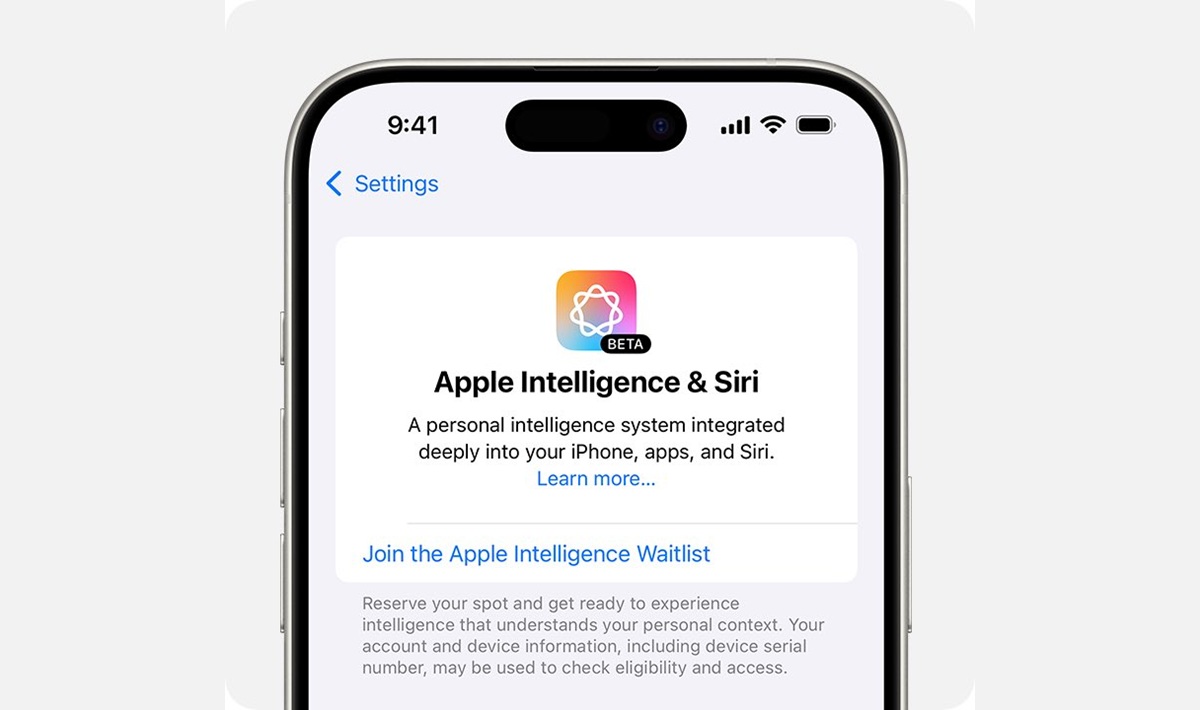
The implications for Siri extend beyond mere functionality. By integrating agentic capabilities, Apple is reinforcing its stance in the AI assistant space, where Google and others have been pushing boundaries with their own tools. This could pressure other platforms to accelerate their roadmaps, potentially leading to a rapid evolution of voice assistant technology.
What remains uncertain is whether this update is part of a broader strategy or a calculated preemptive strike. Apple has historically been cautious about overpromising in the AI space, so while the potential is clear, its long-term impact will depend on execution and user adoption. For now, the focus shifts to how Siri performs under real-world conditions—can it truly rival the more established player, or is this just another step in a longer journey?