Apple’s supply chain is facing two critical challenges as it enters 2026: a global squeeze on memory products and constrained access to TSMC’s advanced packaging lines. The company’s recent earnings call highlighted these pressures, though executives framed them as manageable—at least for now.
The demand for high-bandwidth memory (HBM) has surged alongside the AI boom, leaving even industry giants scrambling for resources. Apple has secured enough NAND for the first quarter but faces uncertainty beyond that, with KIOXIA expected to adjust pricing once long-term agreements take effect. DRAM supplies are particularly tight, with Apple’s current contracts covering only the first half of the year.
Analysts suggest Apple may absorb some of these costs to maintain market share, though the shift from bi-annual to quarterly memory negotiations complicates pricing strategies. Meanwhile, TSMC’s advanced packaging—critical for Apple’s upcoming A20 chips and M-series upgrades—is emerging as another bottleneck. The company is transitioning to WMCM and SoIC-MH packaging, which offer flexibility but are constrained by TSMC’s capacity.
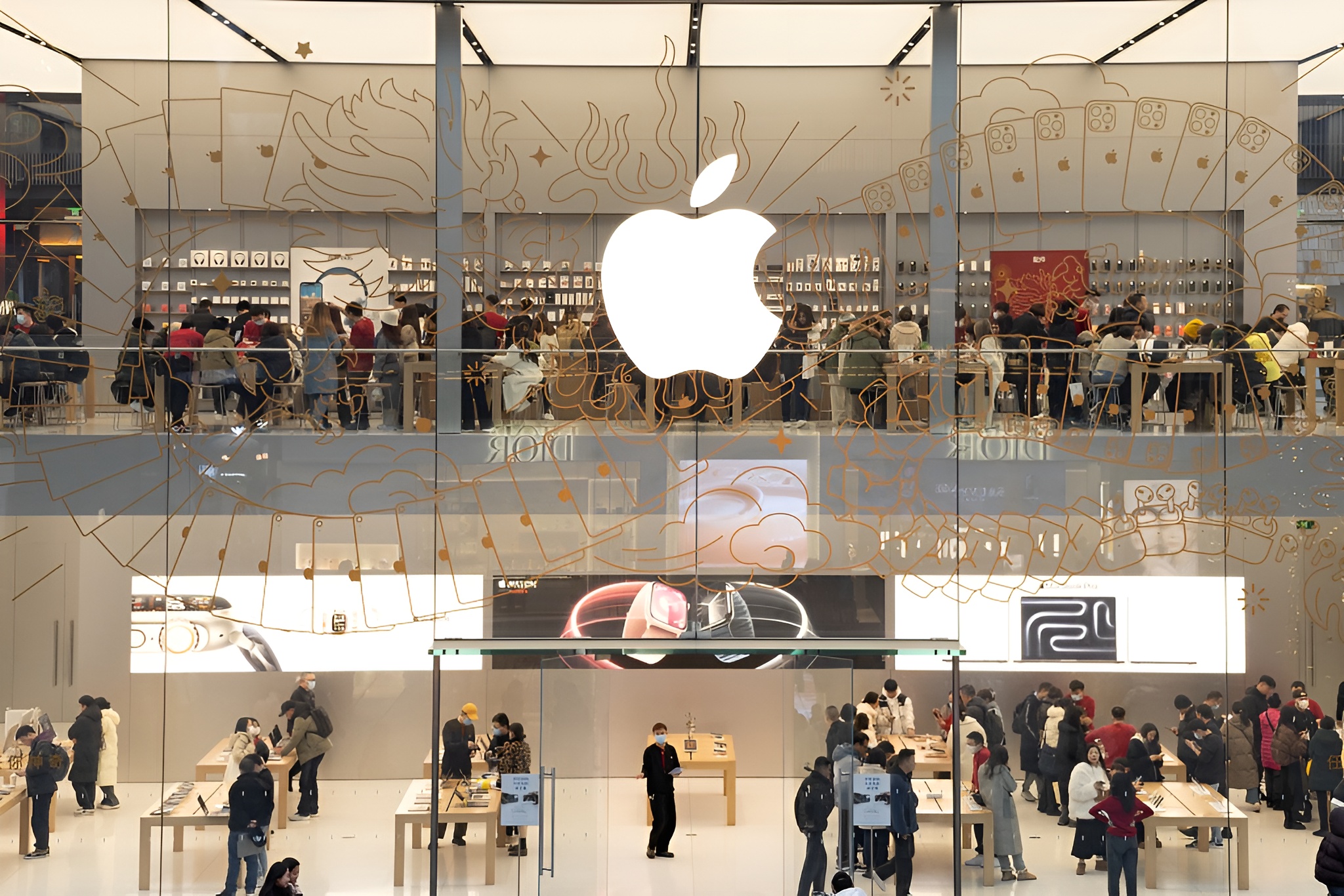
Tim Cook acknowledged the strain during the earnings call, noting that Apple exited the December quarter with depleted inventories due to unprecedented demand. While memory had minimal impact on Q1 margins, the company expects higher costs in Q2, reflected in its revised gross margin outlook of 48% to 49%. Beyond that, market pricing for memory is rising sharply, though Apple insists it has options to mitigate the effects.
The immediate takeaway is a supply chain operating with less flexibility than usual. Apple’s ability to navigate these constraints will depend on its ability to secure additional resources and adjust production timelines. For now, the company remains focused on meeting demand, though the long-term outlook hinges on resolving these bottlenecks.
What users should know
- Apple’s inventory levels are tighter than usual, but no immediate product shortages are expected.
- Memory-related costs will likely rise in Q2, potentially affecting device pricing.
- Advanced packaging delays may influence the rollout of next-generation chips, including the A20 and M-series upgrades.
- The company is monitoring supply chain adjustments and will adapt as needed.