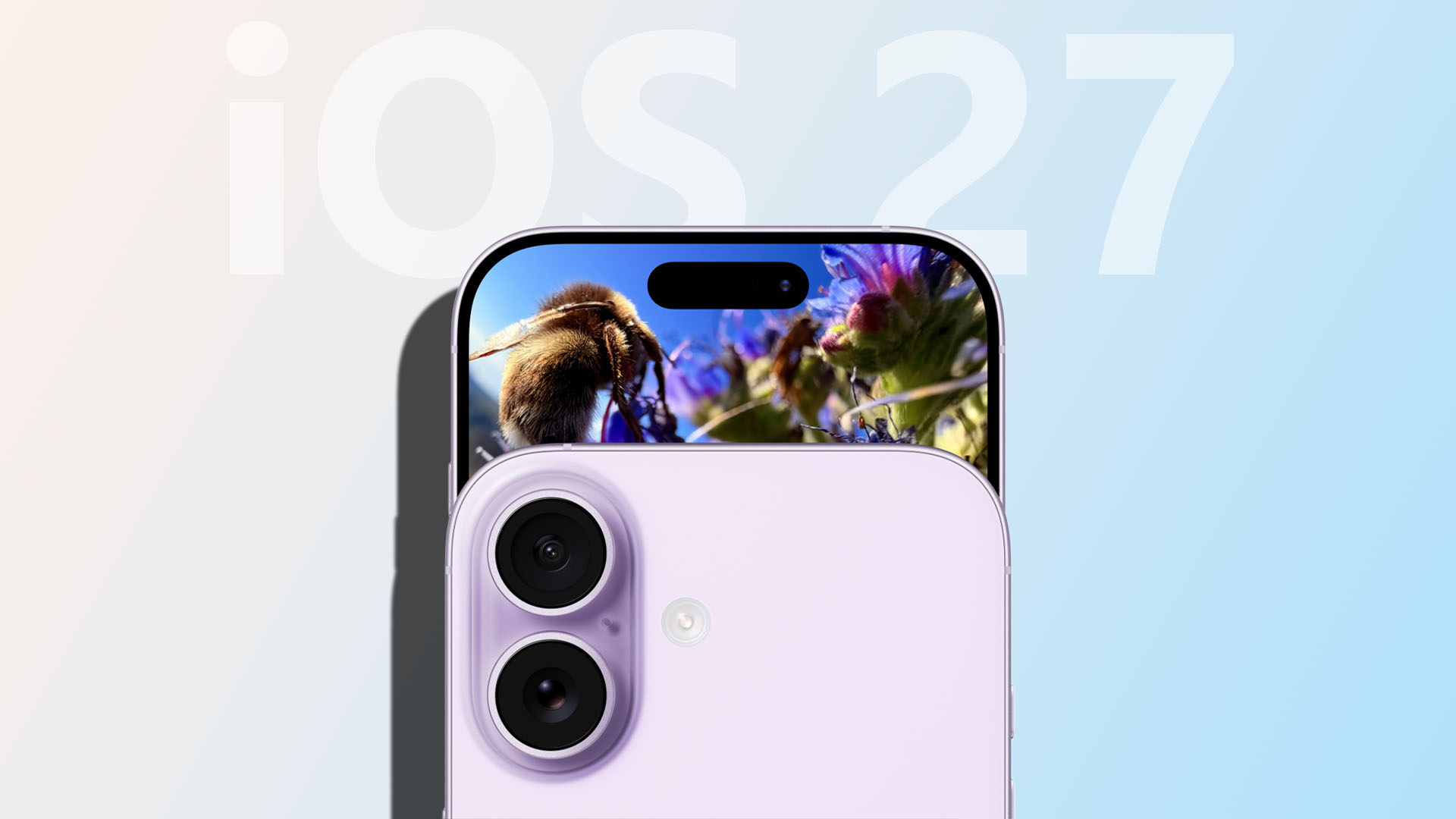
Apple's latest software cycle delivers a comprehensive overhaul that blends artificial intelligence with deep system-level improvements. The updates, spanning iOS 27, iPadOS 27, macOS 27, watchOS 27, visionOS 27, and tvOS 27, introduce a more sophisticated AI framework that redefines user interaction while addressing administrative and enterprise needs.
The core of these changes is Apple Intelligence, which integrates with Siri to create a unified assistant capable of cross-device actions. Unlike previous iterations, this version of Siri can now process web-based queries in real time, pulling from broad world knowledge to deliver more contextually accurate responses. This shift extends beyond voice commands—it now supports systemwide app interactions, allowing users to perform tasks across multiple applications without manual switching.
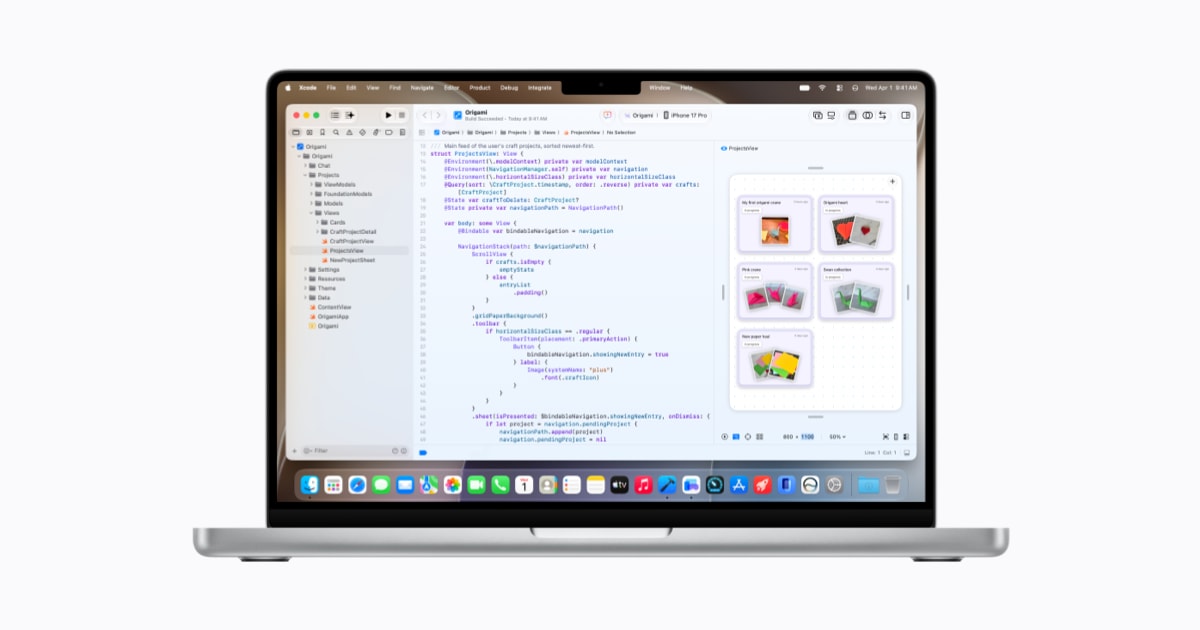
For developers and IT administrators, the updates introduce new APIs that enable deeper integration with Apple Intelligence. These include enhanced SiriKit functionality, which allows third-party apps to trigger actions based on voice input or system events. Additionally, a dedicated Siri app provides a centralized hub for managing conversations, with iCloud syncing ensuring continuity across devices while maintaining end-to-end encryption.
Performance improvements are equally significant, targeting both consumer and enterprise workflows. App launch times have been reduced by up to 30%, while photo loading speeds in the Photos app see a 70% improvement. AirDrop transfers are now up to 80% faster, and network transitions between cellular and Wi-Fi networks have been smoothed out. On iPad devices, file transfers match the speed of Finder on macOS, with some operations becoming five times faster.
Search functionality has undergone a complete rebuild, with Spotlight, Photos, and Mail now offering more stable and efficient indexing. This is particularly relevant for enterprise deployments where large datasets are common. Additionally, new settings allow administrators to fine-tune Liquid Glass display effects on iPhones, providing a balance between aesthetics and performance.
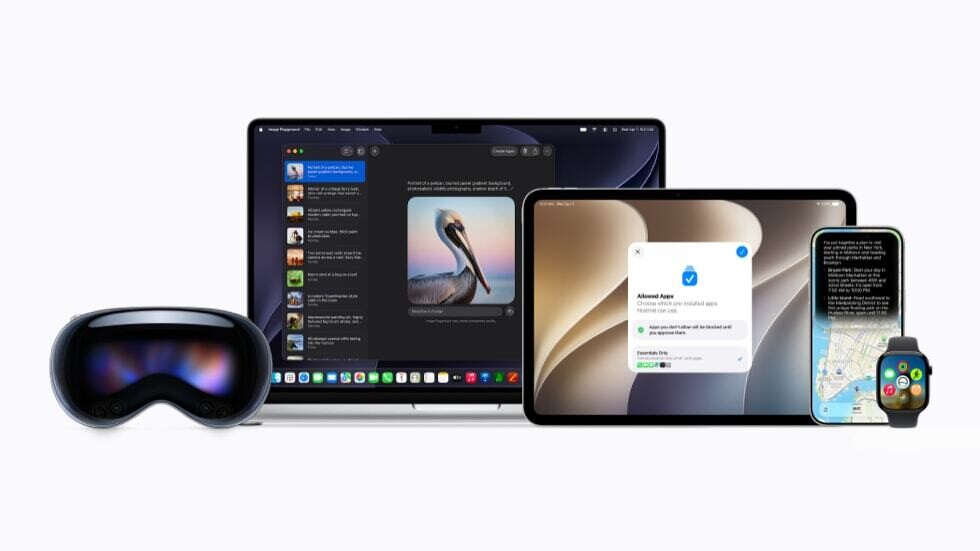
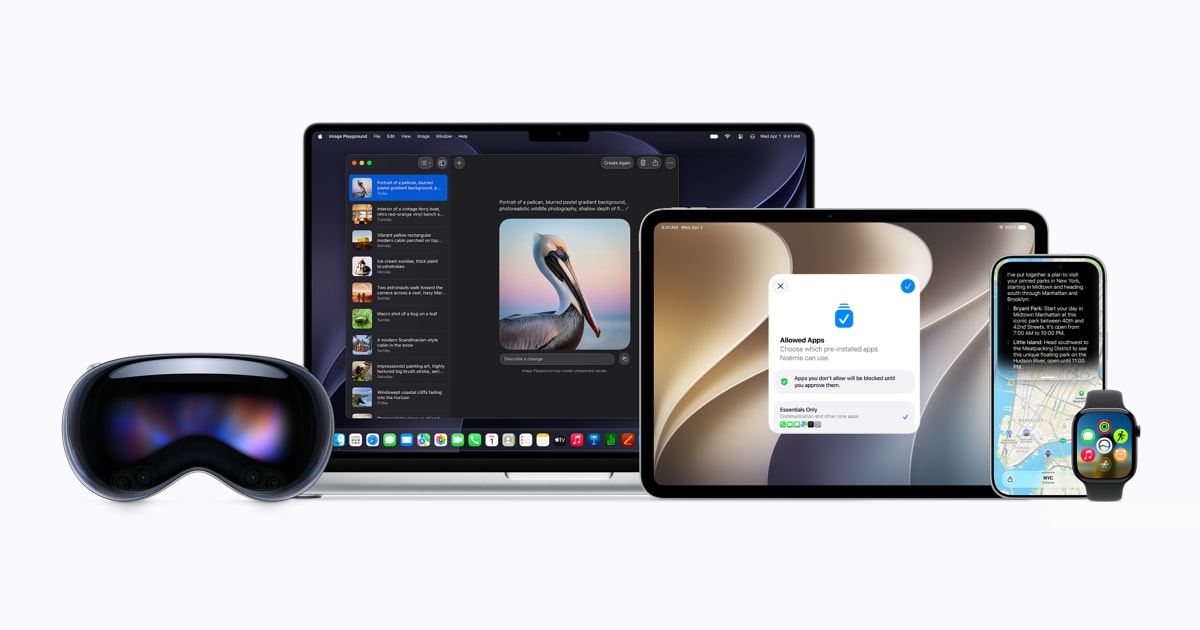
Parental controls have also been expanded with enterprise-grade features. IT departments can now enforce app availability restrictions, set age-appropriate content filters, and monitor communications in real time. Automatic interventions are triggered if explicit or violent content is detected, with daily usage reports generated based on expert-recommended guidelines. This level of control makes the updates particularly valuable for educational institutions and corporate environments.
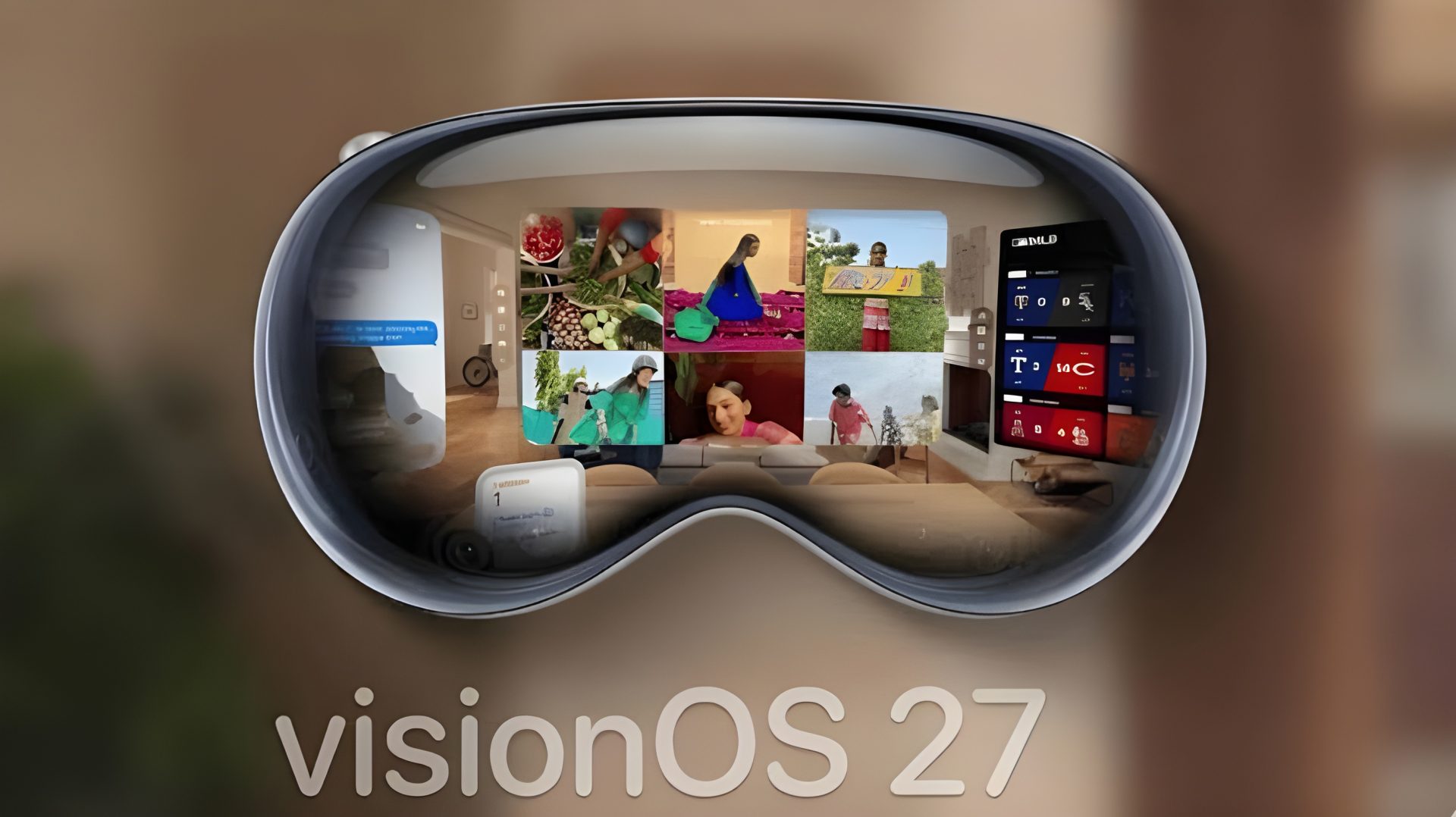
Other refinements include sharper app icons, a more uniform toolbar design across macOS applications, and customizable EQ settings for AirPods users. On Apple Watch, a dynamic app grid and consolidated Find My app streamline navigation, while Vision Pro users can now convert panoramas into spatial scenes with AI assistance. Apple Maps introduces an enhanced Flyover experience, using AI-generated visuals to provide more immersive navigation.
For enterprises, the updates include new tools for managing device fleets, including improved remote monitoring and diagnostics. This is paired with a focus on privacy, ensuring that sensitive data remains protected even as new AI-driven features are introduced. The combination of performance gains, administrative controls, and AI integration positions Apple to strengthen its presence in both consumer and business markets.
Looking ahead, the next phase of these updates will likely focus on further refining AI interactions while addressing potential latency issues in real-time web queries. Developers will need to adapt their applications to leverage the new SiriKit APIs, and IT administrators should review the expanded parental controls and fleet management tools to ensure optimal deployment.